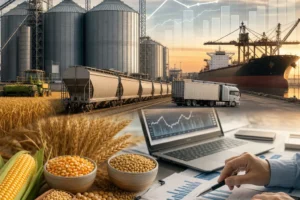
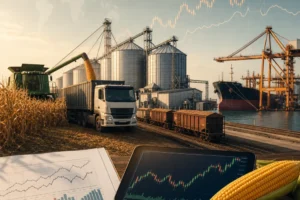
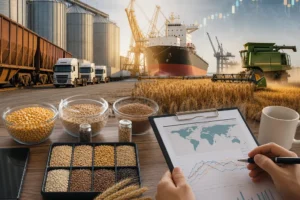
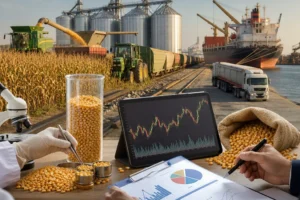
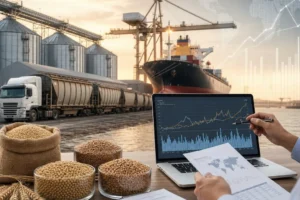
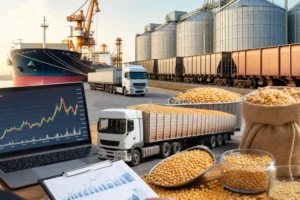
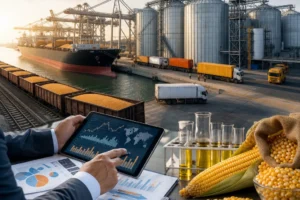
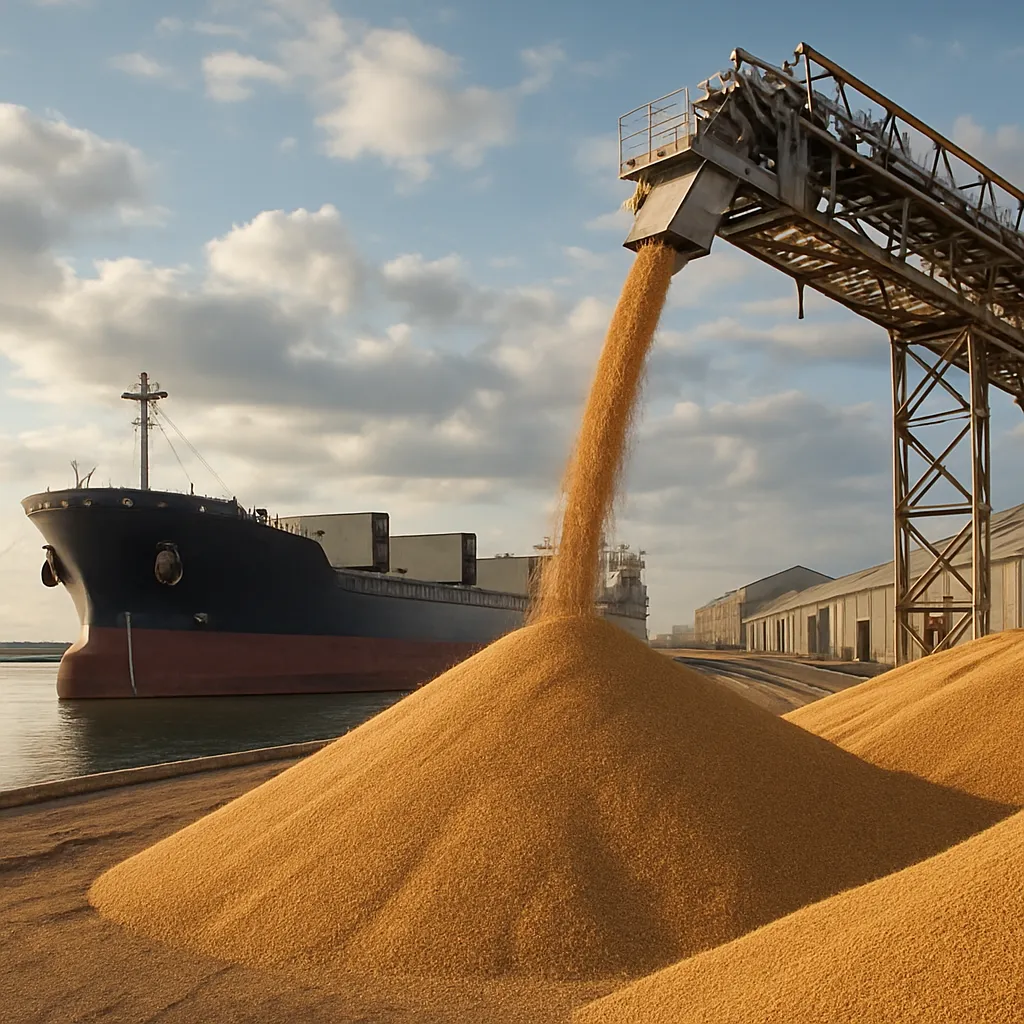
The global grain market relies heavily on intricate logistics frameworks to move millions of tonnes of wheat, corn, barley, and other cereals across continents. In this article, we explore how cutting-edge strategies and solutions redefine export processes, ensuring seamless delivery from farm to foreign mill. By examining key components such as transportation, storage, and digital platforms, we uncover how optimization in grain logistics drives market competitiveness, cost savings, and enhanced customer satisfaction.
Enhancing Efficiency: Supply Chain Dynamics in Grain Exports
Strategic Route Planning and Modal Integration
Grain shippers must carefully design corridors that link inland silos, river ports, rail yards, and deepwater harbors. Effective route planning hinges on leveraging multiple transport modes—trucks, trains, barges, and ocean vessels—to minimize transit times and freight rates. By deploying advanced algorithms and real-time data, logistics managers can dynamically adjust schedules, anticipate congestion, and select alternative pathways. This level of agility fosters stronger supply chain reliability and reduces demurrage risks at terminals.
Warehouse Management and Inventory Control
Efficient warehouse operations are the backbone of timely grain export. From pneumatic unloading systems to climate-controlled storage cells, modern facilities utilize automated conveyors, stacker-reclaimers, and bin-level sensors. These technologies ensure accurate stock counts, reduce grain breakage, and maintain quality through precise moisture control. Inventory management solutions integrate with shipping platforms to synchronize loading windows, enabling exporters to meet strict vessel departure deadlines.
Coordination with Port and Terminal Operators
Maintaining open communication channels with port authorities and terminal handlers is critical for successful export execution. Electronic port community systems allow stakeholders to submit berth requests, customs documentation, and cargo manifests in advance. A collaborative approach fosters visibility into berthing schedules, equipment availability, and shift rotations, empowering grain exporters to optimize loading sequences and minimize vessel idle time.
Innovative Technologies Impacting Logistics Optimization
Digital Platforms and Data Analytics
In recent years, the adoption of cloud-based transportation management systems (TMS) and yard management software has surged. These platforms collect data from IoT devices, GPS trackers, and ERP systems to generate actionable insights. Predictive analytics models use historical movement patterns to forecast demand spikes and potential disruptions. As a result, grain exporters can proactively allocate resources, adjust pricing strategies, and reduce overall lead times.
Blockchain and Traceability Solutions
Traceability is increasingly vital for buyers seeking transparency around origin, handling practices, and quality certifications. Blockchain-based ledgers record every transaction—from harvesting and grading to shipping and delivery—into immutable blocks. This end-to-end provenance platform bolsters trust among international traders, regulators, and end-consumers. By integrating digital certificates, smart contracts automate payment triggers once predefined conditions, such as quality checks or vessel clearance, are met.
Automation and Robotics in Handling Operations
Automated systems for grain handling drastically reduce manual intervention and associated errors. Robotic arms, automated guided vehicles (AGVs), and high-speed sampling machines streamline tasks such as emptying bulk carriers, transferring cargo to storage bins, and performing moisture tests. These advancements not only improve operational throughput but also enhance worker safety. The synergy between human oversight and robotics elevates both precision and efficiency.
Collaborative Strategies and Future Outlook
Building Partnerships Across the Value Chain
Strong alliances among farmers, cooperatives, logistics providers, and end-users create a cohesive export ecosystem. Through integrated planning sessions, stakeholders align on planting schedules, forecasted yields, and delivery commitments. Shared performance metrics—such as truck turnaround times, stacking rates, and vessel loading hours—foster continuous improvement initiatives. This collaborative ethos underpins resilience against market volatility and logistical bottlenecks.
Sustainability and Environmental Considerations
Pressure to decarbonize the agricultural supply chain is accelerating investment in greener transport modes and equipment. Rail and barge movements generally emit fewer greenhouse gases per tonne-kilometer compared to long-haul trucking. Additionally, electric terminal cranes and solar-powered storage facilities reduce carbon footprints. Sustainability certifications and carbon offset programs have become selling points for grain exporters targeting eco-conscious markets. Prioritizing sustainability throughout logistics operations not only meets regulatory standards but also enhances brand reputation.
Emerging Trends and Technological Frontiers
- Digitalization of end-to-end processes, from procurement to delivery confirmations, via AI-driven platforms.
- Deployment of autonomous vessels and unmanned port equipment to accelerate loading cycles.
- Advanced sensor networks enabling real-time monitoring of grain quality parameters during transit.
- Cloud-based collaboration hubs offering a unified interface for all participants in the export chain.
As the grain export industry embraces these innovations, logistics networks become further refined, agile, and transparent. The unrelenting pursuit of efficiency through technology and partnerships will continue to redefine global trade dynamics, ensuring that agricultural commodities move swiftly from regions of surplus to markets with growing demand.