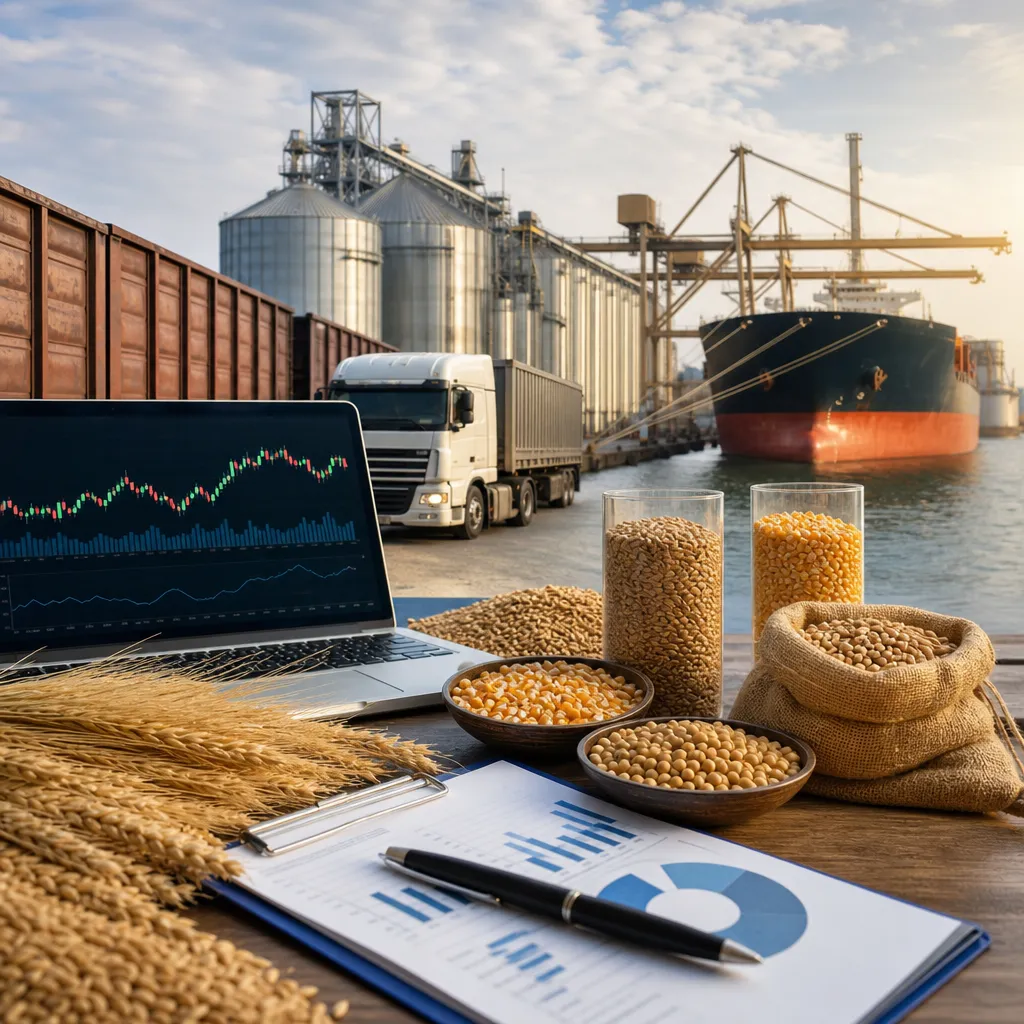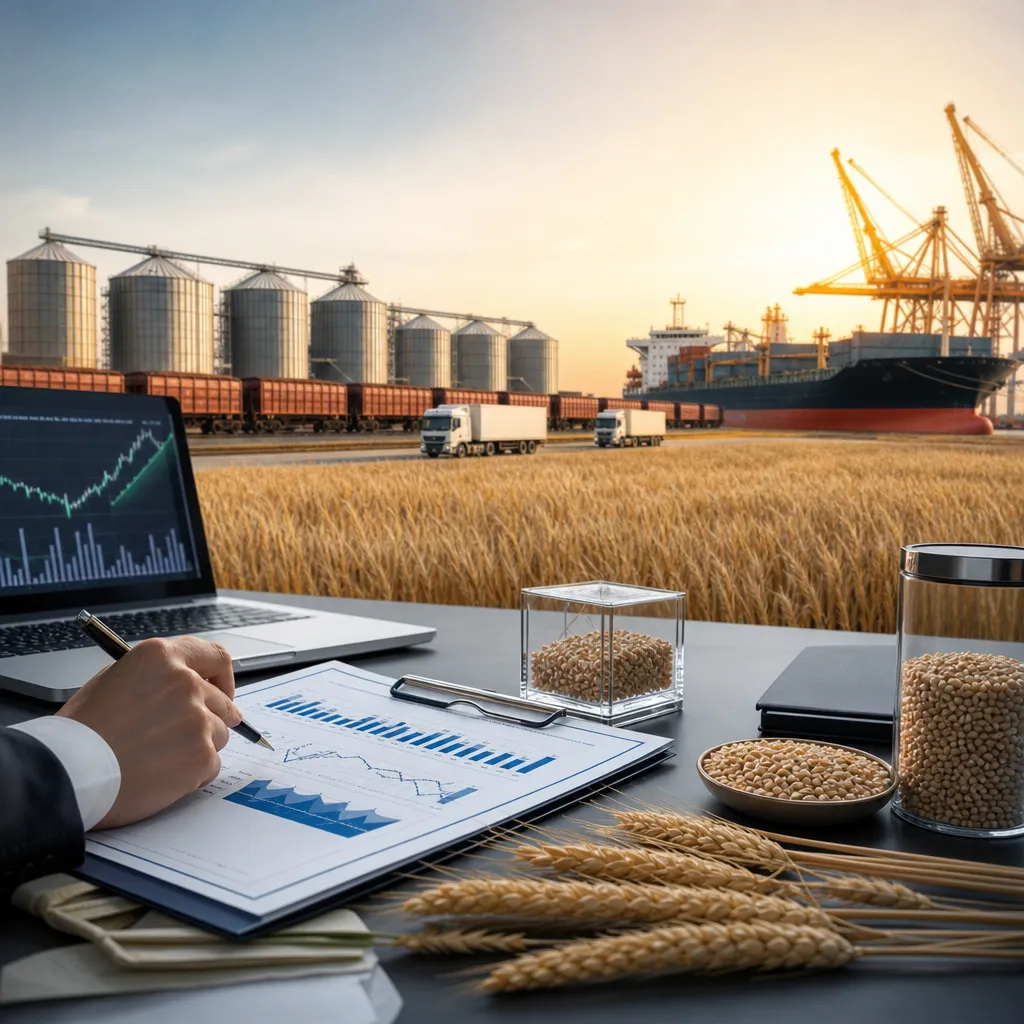
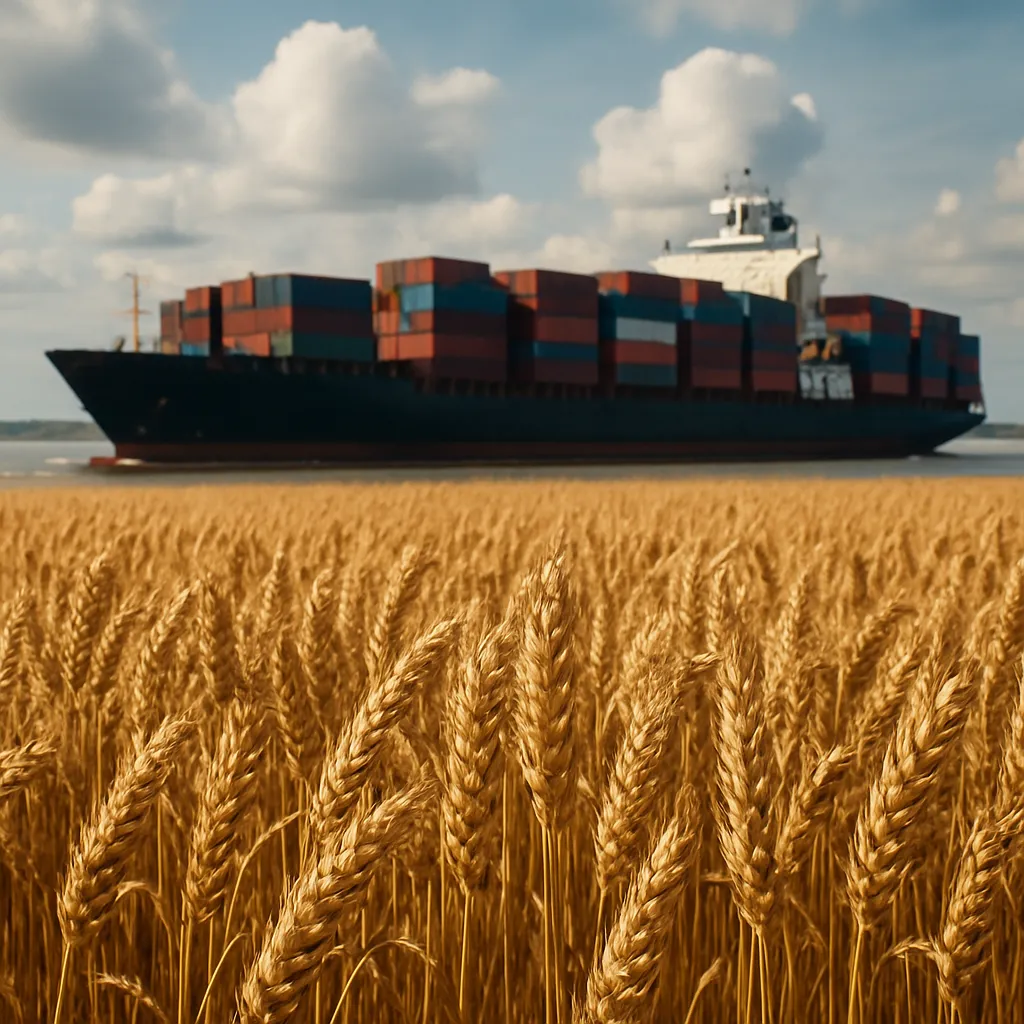
The interconnected nature of modern agriculture means that no nation can stand alone when it comes to ensuring adequate food supplies. Grain serves as the foundation of diets worldwide, and the way it moves across borders determines whether millions have access to affordable staples. Understanding how the grain market functions—and how it can be improved—is essential for achieving lasting security and well-being for populations everywhere.
The Dynamics of Global Grain Markets
Major commodities such as wheat, rice and maize shape international commerce. Production hubs in North America, Europe and Asia supply deficit regions that lack favorable climates or arable land. Prices fluctuate according to harvest yields, storage capacity and policy decisions by exporting governments. Traders and analysts watch weather patterns, planting intentions and logistic bottlenecks to anticipate shifts in availability and cost.
Key Players and Regional Flows
Exporting giants like the United States, Canada, Russia and Australia send large volumes of grain to import-dependent nations in Africa, the Middle East and Southeast Asia. Meanwhile, intra-regional trade among European Union states or within South America bolsters stability by reducing transit times. Long maritime voyages link coastal ports, while rail and road networks feed inland centers, weaving a complex web of supply chains.
Price Volatility and Risk Management
Price swings can trigger cascading effects: a sudden spike in wheat costs may push vulnerable populations into food insecurity, while cheap imports can depress local production, undermining rural livelihoods. To manage these risks, stakeholders rely on derivatives markets, forward contracts and strategic stockpiles. Insurance schemes and public grain reserves act as buffers against severe shortages.
Challenges to Food Security
Numerous threats jeopardize the consistent movement of vital grains across borders. Climatic extremes, shifting trade policies and infrastructural constraints can cause sudden supply shortfalls or surpluses that ripple through global markets. Addressing these challenges requires concerted action on several fronts:
- Climate Change: Droughts, floods and unpredictable weather patterns reduce yields and strain storage facilities.
- Geopolitical Tensions: Export restrictions, sanctions and conflicts interrupt established corridors for essential commodities.
- Infrastructure Gaps: Limited port capacity, outdated rail lines and inadequate warehousing impede efficient grain movement.
- Market Distortions: Sudden tariff changes or subsidy adjustments create disincentives for producers and traders.
When these factors converge, millions can face sudden price hikes or shortages, illustrating how delicate the balance truly is.
Strategies to Strengthen Grain Trade
Tackling the pressures on global food systems demands both immediate responses and long-term planning. Key approaches include:
- Enhancing regional cooperation through multilateral agreements that reduce barriers and standardize quality regulations.
- Investing in port expansions, cold storage and modern rail links to improve overall efficiency of transport.
- Promoting crop diversification to lessen dependency on a single staple, thereby mitigating yield risks.
- Establishing transparent market information systems to guide farmers, traders and policymakers.
- Adopting digital platforms for tracking shipments, reducing delays and lowering transaction costs.
Such measures not only bolster the reliability of external supplies but also incentivize domestic producers to remain competitive in a global marketplace.
Technological Innovations and Partnerships
Advancements in agritech and logistics are reshaping how grain is grown, processed and delivered. Precision agriculture—employing sensors, drones and data analytics—optimizes input usage and boosts yields. Blockchain and IoT devices create real-time visibility across the storage and shipping journey, minimizing losses from spoilage and theft. Public-private partnerships bring together research institutions, agribusiness firms and government agencies to pilot novel solutions.
Moreover, capacity-building initiatives help smallholder farmers adopt climate-smart practices, improving overall resilience in the face of environmental uncertainty. Training programs and microfinance schemes enable communities to participate more effectively in international trade, ensuring the benefits of open markets reach all levels of the agricultural value chain.