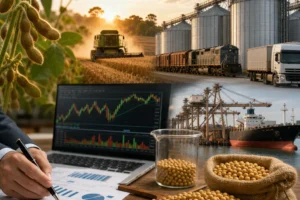
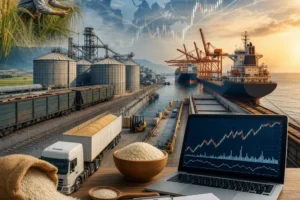
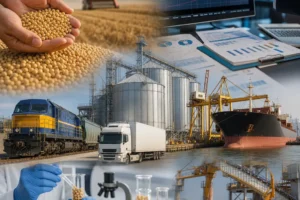
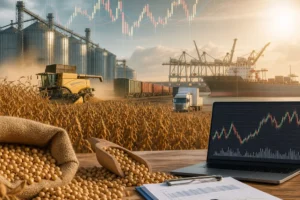
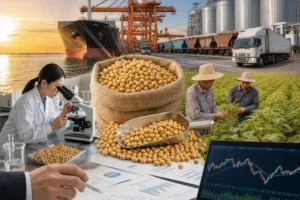
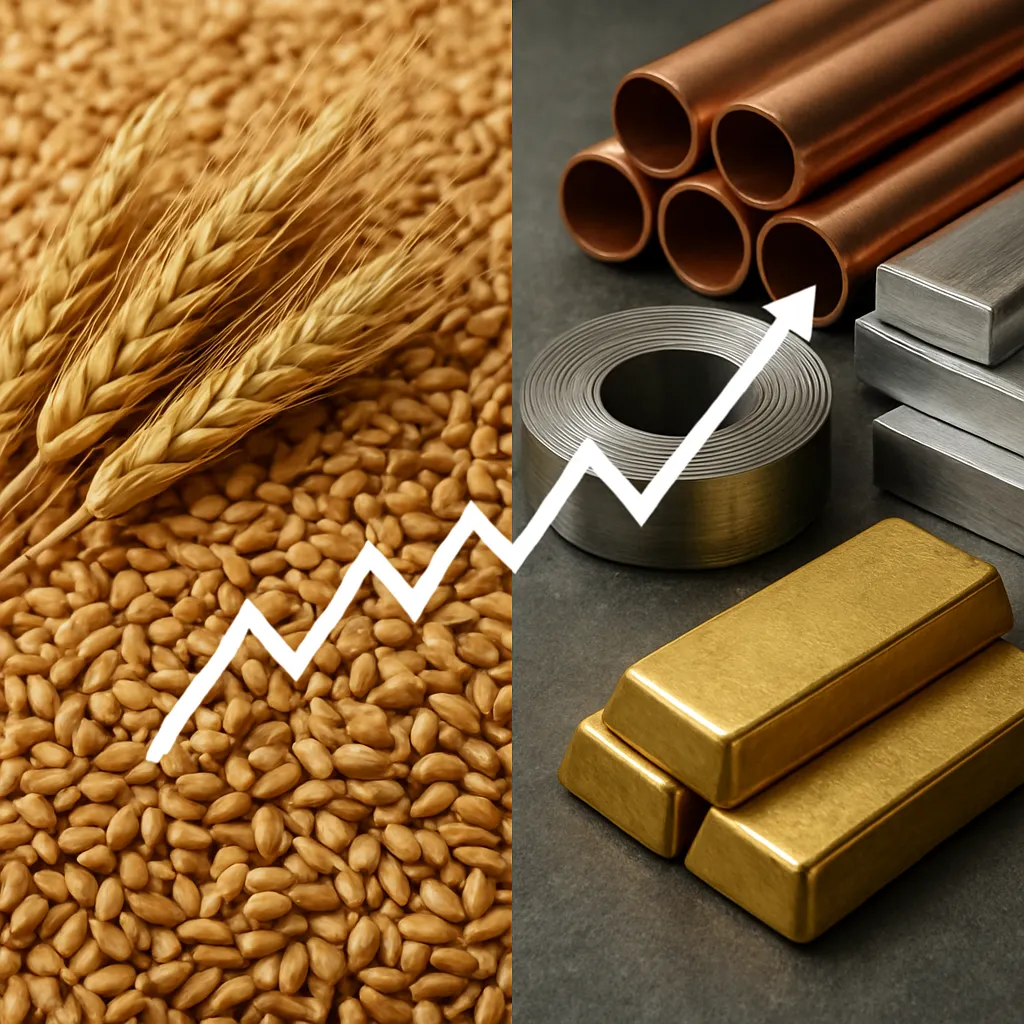
The grain market, a cornerstone of the global food system, constantly weaves complex patterns with other sectors of the economy. One of the most intriguing relationships exists between grain and metal markets. The intricate dance of price movements reveals how shifts in agricultural output can ripple through industrial supply chains and financial portfolios. Understanding this nexus equips investors, policymakers, and producers with insights into risk management and strategic planning. This article explores the underlying drivers of market behavior, unpacks the interplay between agricultural staples and industrial metals, and outlines practical takeaways for stakeholders.
Market Dynamics and Price Drivers
Grain markets hinge on a delicate balance of supply and demand, influenced by weather patterns, geopolitical events, and policy decisions. Similarly, metal markets respond to industrial activity, construction booms, and global trade flows. Several core factors shape these markets:
- Weather and Crop Yields: Droughts, floods, and temperature anomalies determine the volume and quality of harvests, directly affecting grain availability.
- Industrial Growth: Expansion in manufacturing and infrastructure drives metal consumption, notably for commodities such as copper, aluminum, and iron ore.
- Currency Fluctuations: A stronger dollar can depress commodity prices by making exports more expensive, while a weaker dollar boosts global demand.
- Policy and Trade Agreements: Tariffs, export bans, and subsidy programs for farmers or miners can create sudden supply shocks or gluts, fueling volatility.
- Energy Costs: Fuel prices impact transportation expenses for both grains and metals, tying energy markets intimately to agricultural and industrial inputs.
The Role of Financialization
Commodities have evolved from physical goods to financial instruments. Futures contracts, exchange-traded funds, and derivatives allow speculators and hedgers to trade based on anticipated price moves. This trend has heightened the correlation between diverse markets. When investors chase yield or hedge against inflation, they often rebalance across asset classes, linking grain and metal price swings more tightly than ever before.
Interconnections between Grain and Metal Markets
At first glance, wheat or corn seems worlds apart from copper or zinc. Yet multiple channels bind these sectors:
- Cost-Push Inflation: Rising metal prices increase the cost of agricultural machinery, fertilizers, and storage facilities. Producers may respond by raising grain prices to maintain margins.
- Investment Flows: In times of economic uncertainty, capital may flow out of equities and into commodities, pushing both grain and metal benchmarks upward in parallel.
- Supply Chain Interdependencies: Ports, railways, and inland logistics handle both grains and ores. Disruptions such as labor strikes or infrastructure failures can bottleneck multiple commodities simultaneously.
- Biofuel Production: Ethanol and biodiesel link grain to oil and metal markets. As energy firms invest in facilities, demand for steel and other inputs rises, influencing metal prices, while demand for corn and soybeans for fuel surges.
Case Study: The 2020-2021 Commodity Rally
Between mid-2020 and early 2021, both grain and metal prices soared. A combination of pandemic-related supply chain disruptions, stimulus-driven demand, and low interest rates created a powerful upward pressure on commodities. Corn and soybeans hit multi-year highs as fertilizer costs (linked to natural gas and potash markets) climbed. At the same time, copper and nickel rallied on expectations of green energy and infrastructure spending. These synchronous moves underscored the growing interconnectedness of agricultural and industrial cycles.
Implications for Traders and Policymakers
Recognizing the linkages between grain and metal markets fosters better decision-making. Stakeholders can leverage several strategies:
- Hedging Strategies: By using cross-commodity futures or options spreads, producers and consumers can mitigate downside price risk and smooth out cash flows.
- Diversification: Portfolio managers may allocate across agricultural and industrial commodities to balance exposure, reducing overall volatility.
- Monitoring Leading Indicators: Early risk signals—such as shipping rates, port congestion, and metal inventories—can presage shifts in grain prices and vice versa.
- Policy Coordination: Governments should align agricultural support with infrastructure planning. Joint analysis of food security and raw material security can prevent unintended market distortions.
- Investment in Infrastructure: Enhancing storage, transportation, and processing facilities for both sectors improves liquidity and reduces the impact of localized disruptions.
Long-Term Trends and Outlook
Looking ahead, several macro themes will shape the grain-metal complex:
- Climate Change: More frequent extreme weather events will challenge crop yields and mining operations, demanding resilient supply chain designs.
- Technological Innovation: Advances in precision agriculture and automated mining can boost productivity but may also amplify capital intensity and price sensitivity.
- Geopolitical Shifts: Resource nationalism and trade realignment will influence export policies, tax regimes, and bilateral agreements for grains and metals alike.
- ESG Considerations: Environmental, social, and governance criteria increasingly direct capital flows. Sustainable farming and responsible mining practices may command premiums.
- Macroeconomics: Interest rate cycles, fiscal stimulus, and global growth rates will continue to drive cross-commodity correlations, creating both risks and opportunities.
Understanding these dynamics enables market participants to navigate the complex interplay of agricultural staples and industrial materials. By recognizing shared drivers, employing robust risk management tools, and staying attuned to emerging trends, stakeholders can harness the synergies between grain and metal markets for strategic advantage.