







Healthy land underpins every success story in agriculture, forging a direct link between robust earth and abundant harvests. A thriving substrate rich in nutrients, teeming with life, and structured to optimize water and air flow sets the stage for unparalleled performance in cereal cultivation. By delving into the intricate web of physical, chemical, and biological processes that define fertile ground, stakeholders across the grain value chain—from farmers to commodity traders—can harness the full potential of their fields. This exploration traverses the core principles of soil science, unveils sustainable strategies for long-term yield enhancement, examines economic implications for global grain commerce, and spotlights cutting-edge innovations poised to shape the future of agronomy.
Foundation of Grain Productivity: Soil Composition and Structure
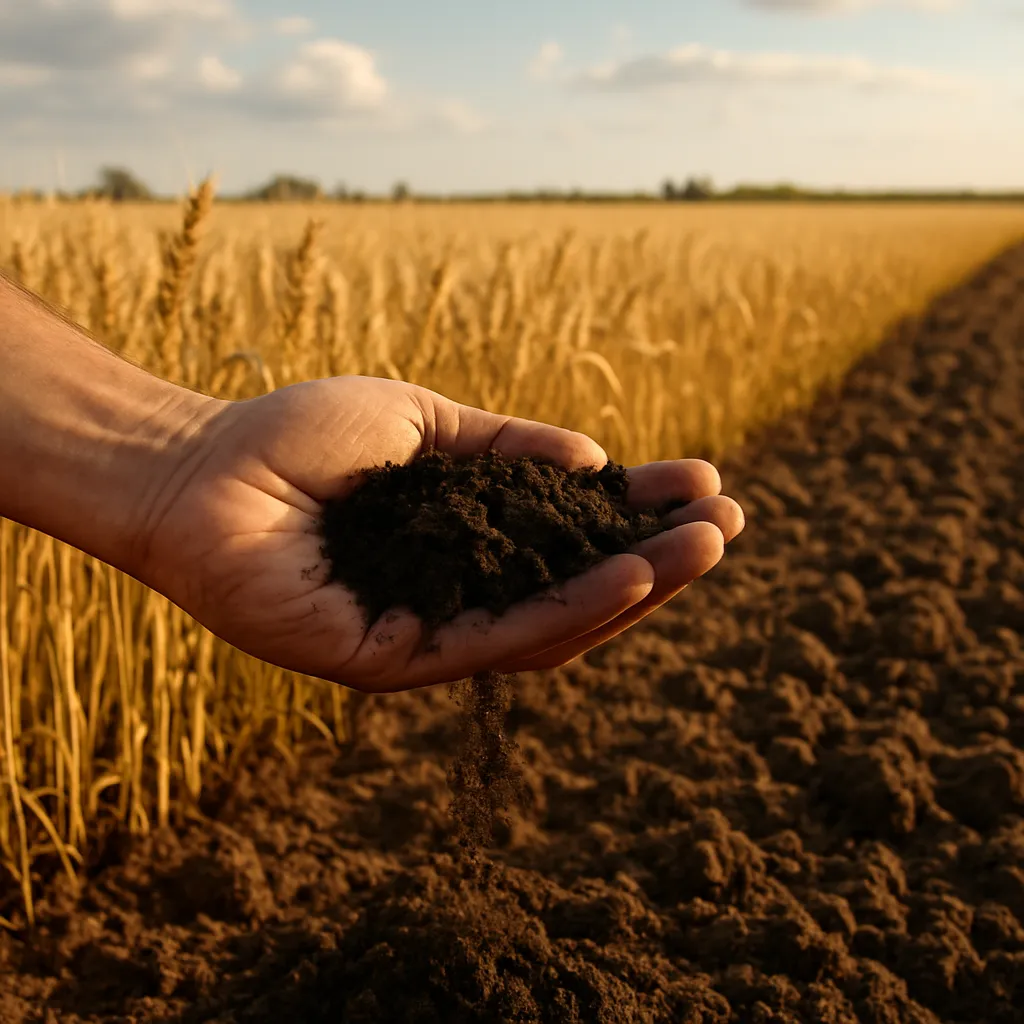
At the heart of every fruitful acre lies a complex ecosystem. The soil matrix comprises mineral particles, organic matter, water, and air, each playing a vital role in supporting plant roots. Texture, defined by the proportions of sand, silt, and clay, influences water retention and drainage, while structure—how particles aggregate—determines the ease with which roots penetrate the earth. A well-aggregated profile promotes robust aeration and encourages beneficial microbial activity.
Within this living terrain, pore spaces regulate the movement of moisture and oxygen. Fine pores (micropores) hold water for plant uptake, and larger pores (macropores) facilitate drainage and root respiration. Disruption of this balance—through excessive tillage, compaction, or chemical overuse—can impair root development and stunt plant productivity. Conversely, maintaining optimal pore distribution enhances nutrient cycling, fosters a resilient biome, and ultimately elevates grain quality and yield.
- Particle Size Distribution: The ratio of sand, silt, and clay determines water dynamics.
- Aggregation: Organic polymers and microbial secretions bind particles into stable clumps.
- Bulk Density: Low density indicates ample pore space; high density signals compaction issues.
- Tilth: The ease with which soil can be tilled and roots can grow.
Advancing Soil Fertility Through Sustainable Practices
Long-term fertility management hinges on balancing nutrient supply with crop demand, all while preserving the living architecture of the ground. Integrating cover crops, green manures, and diversified rotations not only replenishes nutrients but also promotes a flourishing microbiome. Beneficial bacteria and fungi decompose residues into plant-available compounds, suppress pathogens, and improve soil structure.
Key sustainable practices include:
- Conservation Tillage: Reducing disturbance maintains residue cover and prevents erosion.
- Cover Cropping: Legumes and grasses fix nitrogen, protect against leaching, and enhance organic matter.
- Integrated Nutrient Management: Combining organic amendments with precision-applied mineral fertilizers.
- Crop Rotation: Alternating cereal with broadleaf species breaks pest cycles and optimizes nutrient use.
Applying composts or biochar can sequester carbon, build cation exchange capacity, and buffer pH fluctuations. When layered with precision application technologies—like variable-rate fertilizer spreaders—farmers can tailor inputs to the unique needs of each field zone, aligning with the principles of site-specific management and reducing waste.
Market Dynamics: Soil Health’s Impact on Grain Supply and Demand
The state of the world’s croplands resonates through global markets. Superior soil conditions translate into yield consistency, which stabilizes supply chains and anchors commodity prices. Conversely, land degradation—driven by salinization, nutrient depletion, or erosion—erodes output projections, prompting traders and policy makers to brace for volatility.
As consumer preferences shift toward sustainably sourced produce, growers with documented soil stewardship may command premiums. Certification schemes centered on regenerative practices can differentiate grain cargoes in a crowded marketplace. This phenomenon fosters a feedback loop: farmers invest in soil rehabilitation to capture higher margins, while end-users secure assurances regarding environmental stewardship.
Furthermore, resilient soils exhibit enhanced drought tolerance. By retaining water and sustaining crops during dry spells, healthy fields cushion producers and buyers against climatic uncertainty. This intrinsic resilience reduces reliance on emergency imports and fortifies regional food security. Robust substrates thus serve as a hedge against both economic swings and weather extremes.
Innovations and Future Trends in Soil Management
Emerging technologies are rewriting the playbook for soil analysis and care. High-resolution sensors, satellite imagery, and machine learning algorithms converge to deliver real-time insights into moisture levels, nutrient status, and biological activity. Farmers can now employ in-field probes and drones to map variability at sub-meter scales, enabling unprecedented levels of precision.
Artificial intelligence platforms synthesize historical weather data, crop rotation schedules, and soil test results to predict optimal management interventions. This wave of innovation dovetails with advancements in biologically based inputs—such as microbial inoculants and enzyme formulations—that enhance nutrient uptake and bolster root development.
Looking ahead, policies promoting carbon credits for cover cropping and reduced tillage could further accelerate adoption. By monetizing sequestered carbon, growers gain financial incentives to expand regenerative practices. This paradigm shift underscores how cutting-edge technology and policy frameworks can coalesce around the singular goal of preserving and amplifying the foundational asset of agriculture: healthy soil.