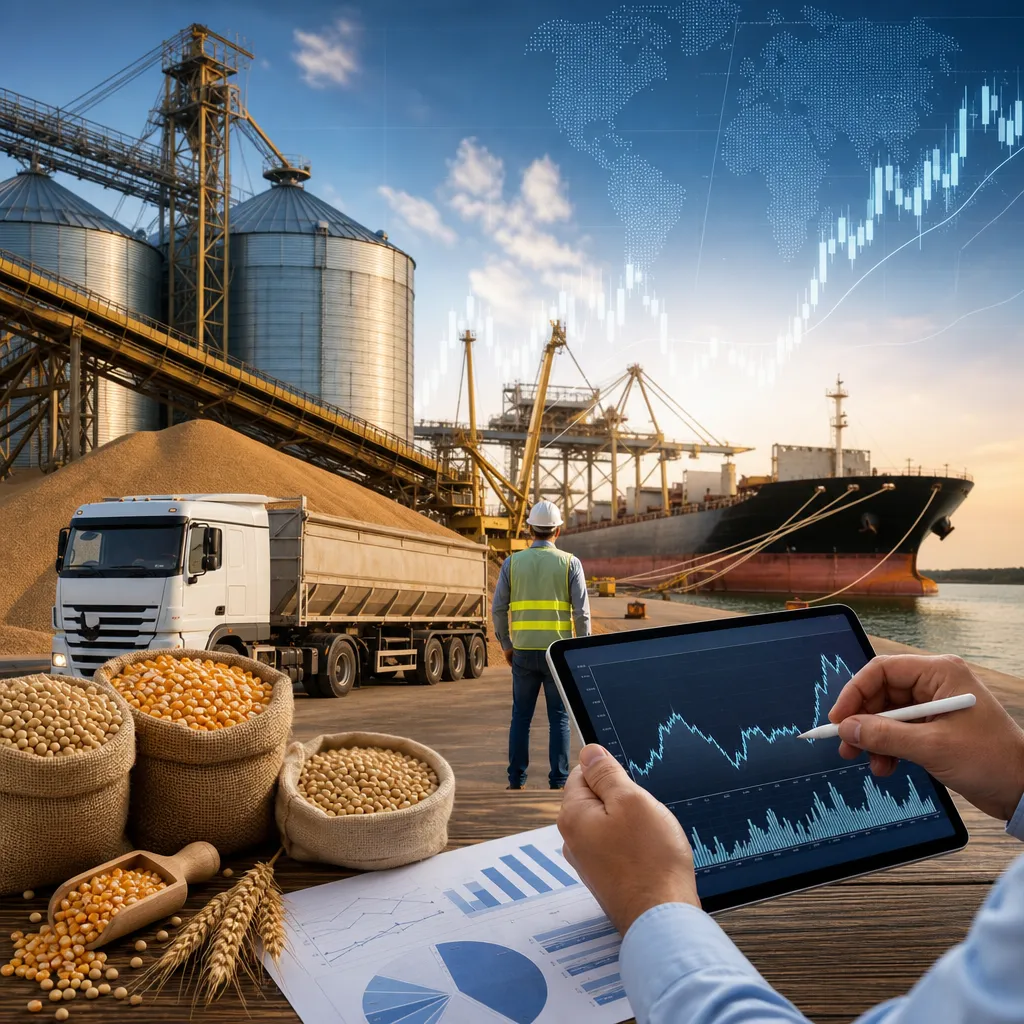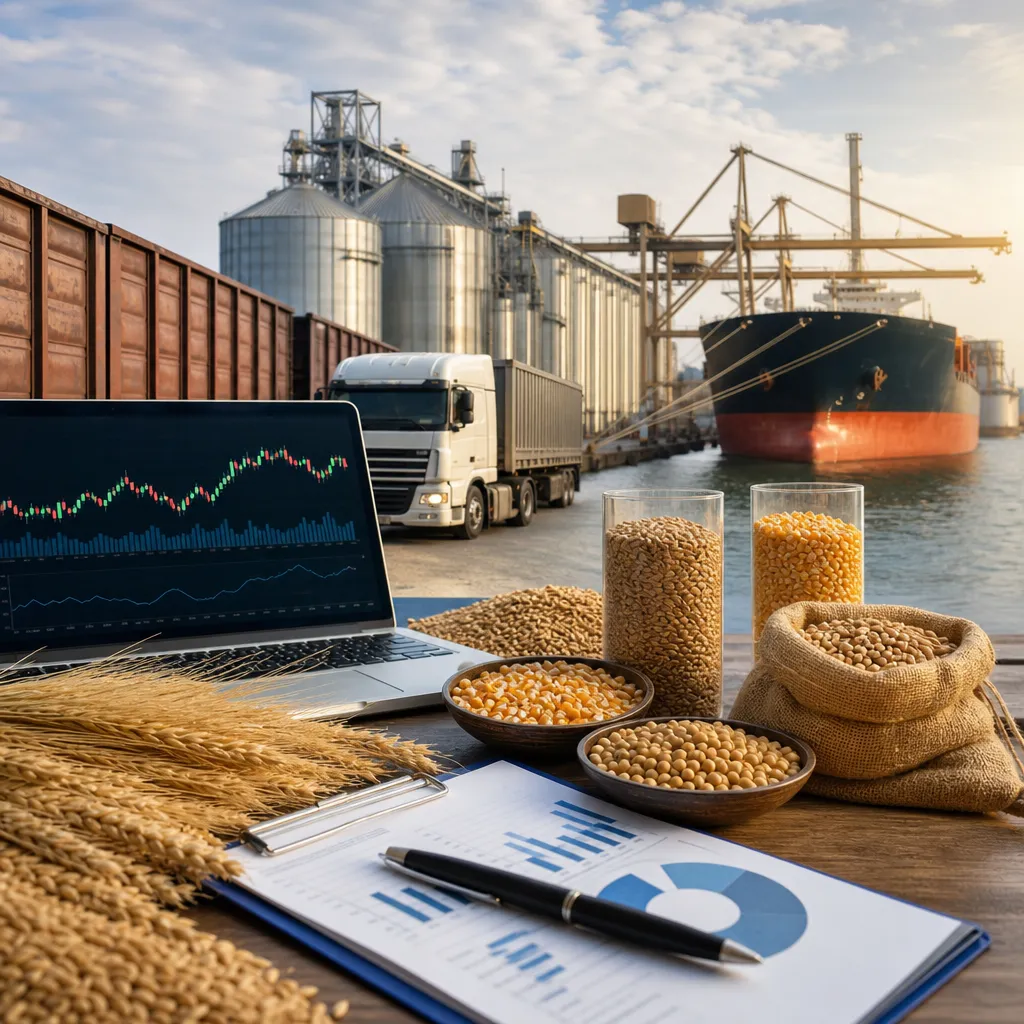
As the global economy navigates persistent price increases, the grain sector stands at the forefront of shifting cost structures and changing trade dynamics. From wheat and maize to rice and barley, staple crops underpin food security for billions, yet they remain highly sensitive to macroeconomic forces. This analysis delves into how elevated price levels reshape production incentives, distribution channels, market behavior, and long-term resilience strategies across the grain value chain.
Global Inflation and Agricultural Markets
Rising consumer prices worldwide, fueled by expansive monetary policies and supply shortages, have translated into heightened expenses across every stage of agricultural production. Farmers, traders, and consumers alike face the ripple effects of inflation on input costs, logistical expenses, and final retail prices.
Impact on Input Costs
Key production inputs such as fertilizers, fuel, and equipment spare parts have registered double-digit price hikes in many regions. For instance:
- Fertilizer prices surged due to natural gas cost spikes, undermining affordability.
- Diesel and petrol expenses escalated transport and field operation budgets.
- Spare parts and machinery maintenance costs rose as global supply networks tightened.
These developments force growers to reassess planting decisions, acreage allocation, and investment in productivity-enhancing technologies.
Shifts in Commodity Flows
With domestic grain prices climbing, exportable supplies adjust rapidly. Countries that once prioritized local affordability may restrict shipments, while high-price regions attract imports, intensifying volatility in global trade balances. Policy interventions—export bans, tariff adjustments, and strategic reserves—further complicate the flow of cereals across continents.
Supply Chain Disruptions and Cost Pressures
Beyond direct input expenses, logistical bottlenecks and energy market upheavals amplify cost burdens. Grain must traverse multiple nodes—from farm silos to port terminals, then onto processing plants and retailers—each stage susceptible to inflationary torque.
Transportation and Storage Challenges
- Supply chains suffer from container shortages, port congestion, and labor constraints, driving up freight rates.
- Climate-related events (droughts, floods) lead to reactive rerouting and emergency storage solutions, inflating premiums.
- Rising interest rates make financing large grain inventories more expensive, pushing traders toward leaner stocks and higher turnover.
Energy and Processing Costs
Millers and feed producers face mounting electricity and gas bills, which translate into higher margins for end-users. Biofuel mandates in some regions intensify competition for corn and sugar, inflating prices further. The interplay between energy and agriculture underscores grains as dual-purpose commodity inputs: both food and fuel feedstocks.
Market Behavior: Futures, Speculation, and Policy Interventions
As inflation erodes purchasing power, commodity markets become prime arenas for hedging, portfolio diversification, and speculative activity. Grain futures exchanges worldwide see surges in open interest and contract volumes during high-price episodes.
Futures and Risk Management
Producers and consumers increasingly rely on hedging instruments to lock in prices and guard against further inflationary shocks. However, the cost of carry—storage, financing, and margin requirements—reflects underlying market tightness, making hedges more expensive to maintain.
Speculative Flows and Price Spikes
Ambient inflation often drives commodity speculators toward grains, perceived as tangible assets with intrinsic value. Increased speculative bids can exacerbate short-term price fluctuations, triggering feedback loops:
- Rising futures prices influence spot market quotations, affecting local cash bids.
- Algorithmic trading and momentum strategies may amplify trends during thin liquidity periods.
- Media coverage and consumer concern over food costs can lead to hoarding behaviors, tightening supplies further.
Government Measures and Trade Policies
To temper domestic inflation and ensure food security, governments deploy a range of tools:
- Export quotas and bans on key grains to prioritize in-country availability.
- Subsidies for fertilizer, seed, and transport to cushion farmer budgets.
- Strategic grain reserves released into the market to ease short-term shortages.
- Tariff adjustments on imports to manage price gaps between domestic and global markets.
While such actions can stabilize local prices temporarily, they risk distorting trade flows and undermining global market efficiency.
Long-Term Outlook: Resilience and Sustainable Practices
Confronted with persistent inflationary pressures, stakeholders in the grain sector must innovate and adapt to maintain viability. Strategies that enhance resilience and promote sustainability will prove decisive in shaping future price dynamics.
Technological Adoption
Precision agriculture, digital monitoring, and data-driven decision-making can optimize input use, boost yields, and cushion producers against cost surges. Investments in drought-tolerant varieties, variable-rate fertilization, and blockchain traceability help manage risks and maintain profitability.
Diversification and Crop Rotation
Rotating cereals with legumes or cover crops rejuvenates soil fertility, reducing reliance on expensive synthetic inputs. Diversifying crop portfolios also spreads revenue risk, mitigating the impact of price slumps in any single commodity.
Financial Instruments and Cooperative Models
Innovative financing—index-linked loans, crowdfunding for equipment—can alleviate liquidity constraints for smallholders. Cooperative storage and marketing arrangements enable members to negotiate better terms and avoid distress sales during peak inflationary spikes.
Policy Alignment and International Collaboration
Long-term stability requires coherent policies that balance domestic price control with global trade openness. Collaborative frameworks—information sharing on stocks, coordinated releases from reserves, and jointly funded research—can reduce the likelihood of disruptive price swings and safeguard food security for vulnerable populations.
In a landscape defined by enduring currency fluctuations, input scarcities, and evolving consumer demand, the grain market’s ability to absorb shocks will hinge on proactive management of productivity gains and efficient resource allocation. As stakeholders mobilize around climate adaptation, digital transformation, and equitable trade practices, the interplay between global inflation and grain price dynamics will continue to evolve, challenging participants to find innovative pathways to sustainable growth.