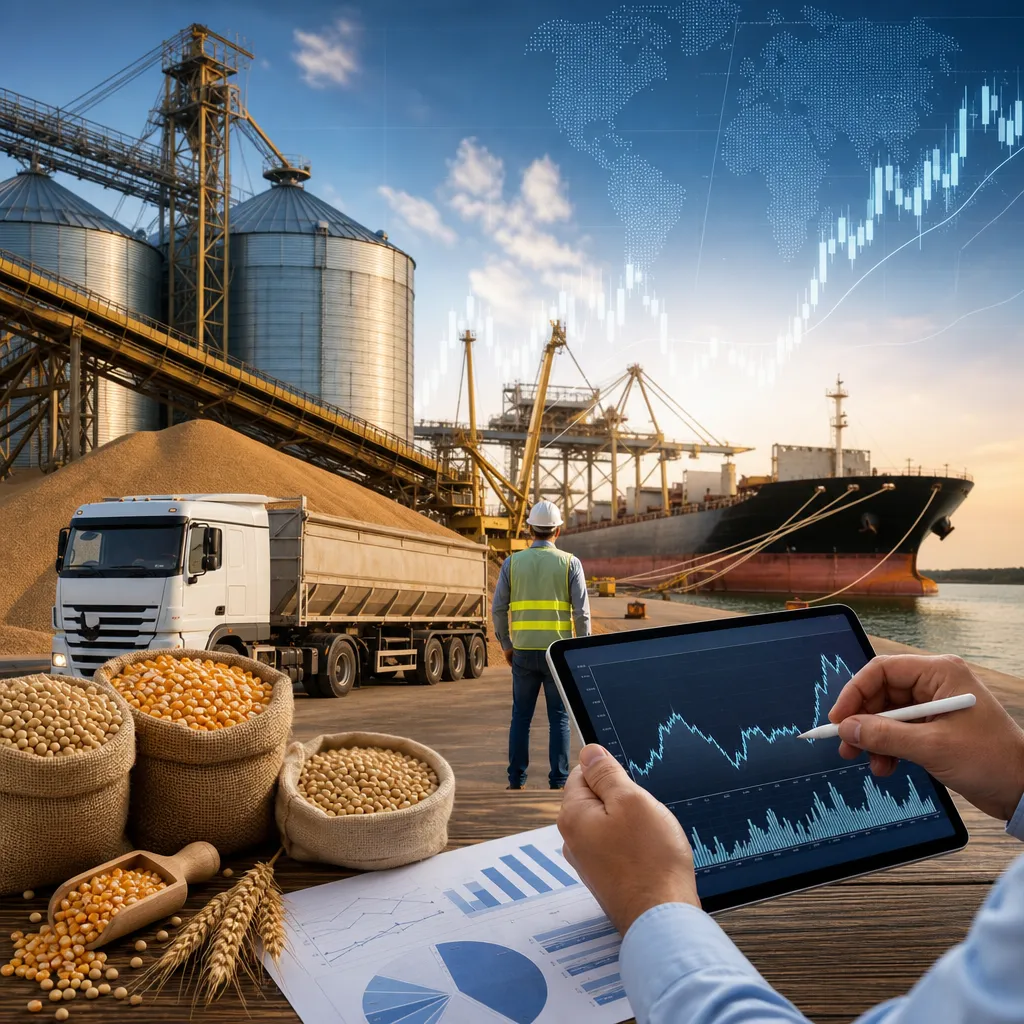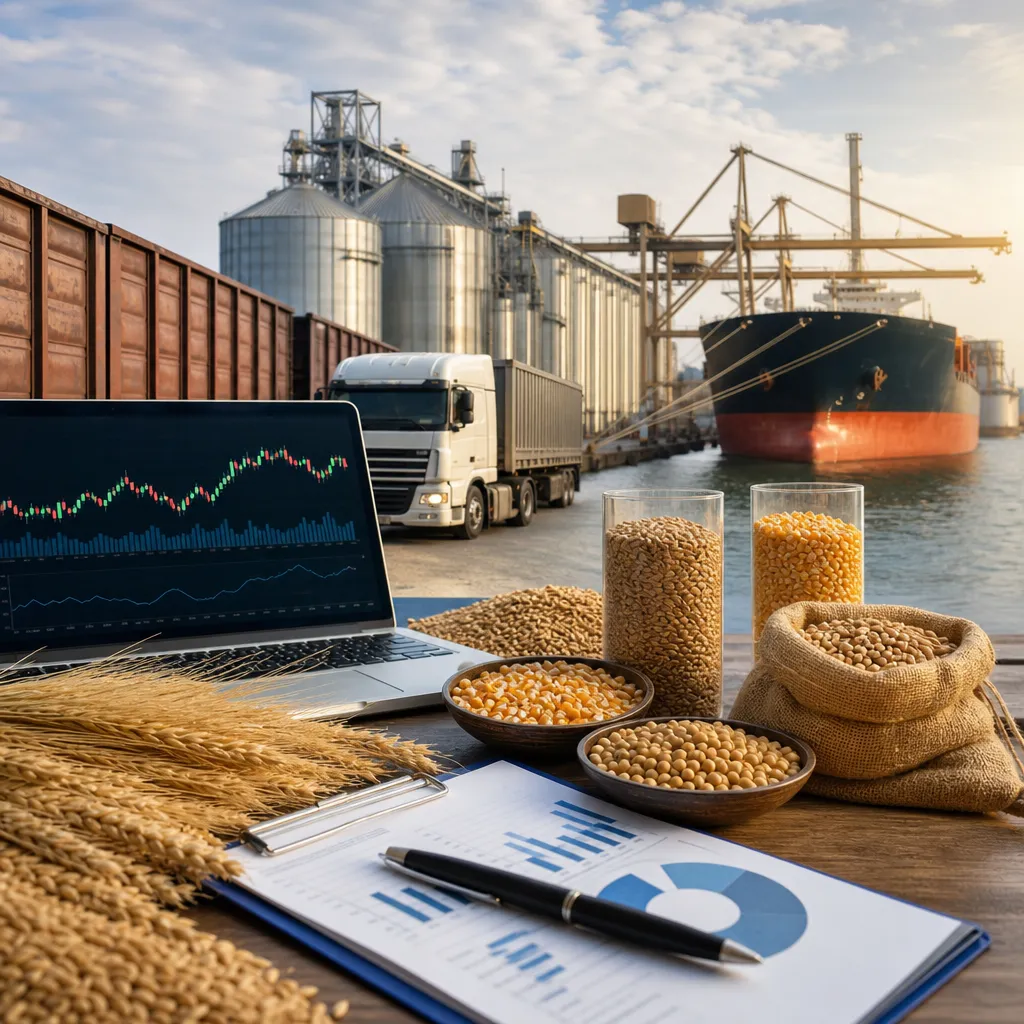
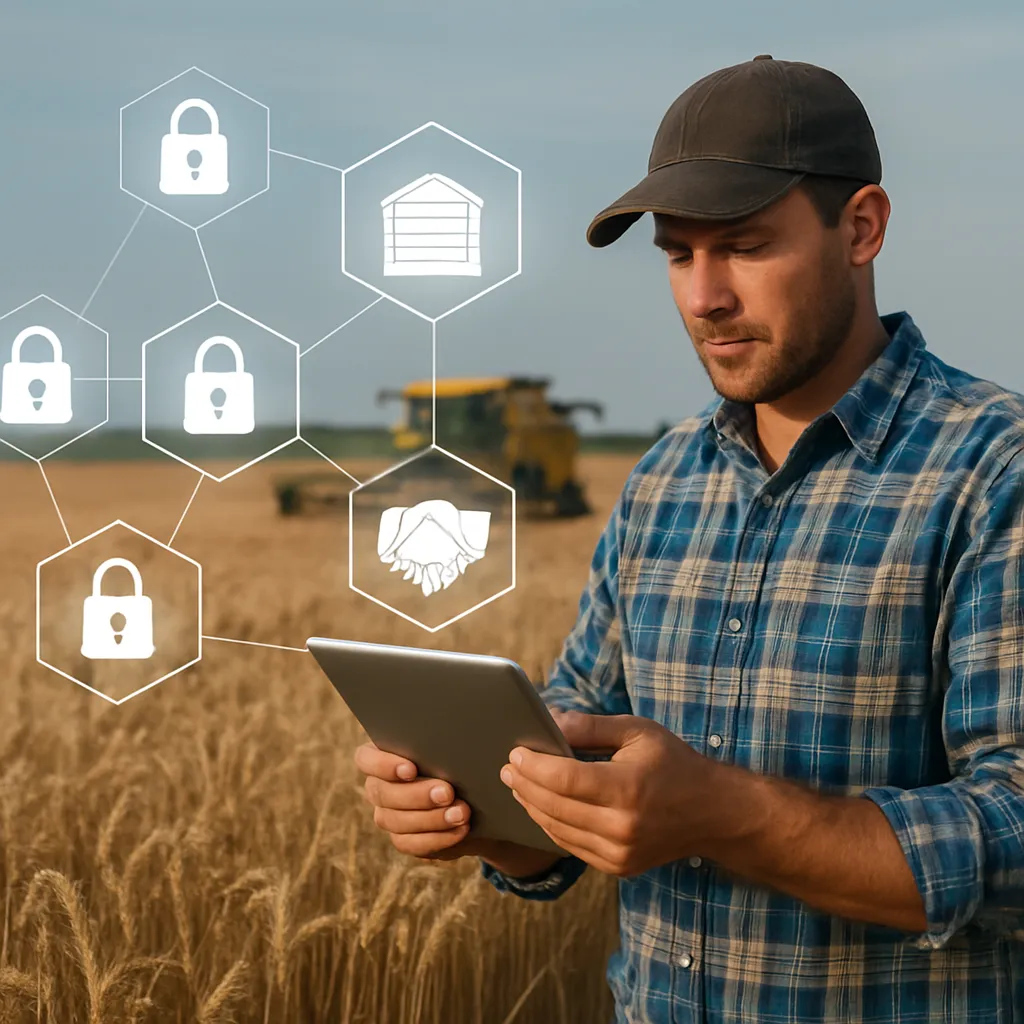
The integration of blockchain technology into the grain market is transforming traditional contract management by introducing unprecedented levels of transparency, traceability, and efficiency. As global demand for grains like wheat, corn and barley continues to rise, supply chain participants seek solutions that reduce disputes, accelerate payments and verify quality from field to port. By leveraging decentralized ledgers and smart contracts, farmers, traders, transporters and processors can collaborate on a unified platform that replaces paper-based agreements and manual reconciliations.
Defining Blockchain-Enabled Grain Contracts
At its core, blockchain is a distributed digital ledger that records transactions in a secure, immutable and time-stamped manner. When applied to grain contracts:
- Each contract is codified into a smart contract script that automatically executes predefined events upon meeting certain criteria.
- All participants share a synchronized register of ownership transfers, quality checks and payment milestones.
- Permissioned frameworks ensure that only authorized parties can view or append data, preserving confidentiality while maintaining auditability.
By eliminating intermediaries and central record-keepers, blockchain platforms reduce counterparty risk, cut administrative overhead and guarantee that every step of the transaction lifecycle is verifiable and tamper-proof.
Enhancing Transparency and Traceability
One of the most significant challenges in the grain supply chain is tracking the provenance and quality of commodities as they move through multiple hands. Blockchain addresses this in several ways:
- Immutable Records: Once a delivery receipt, weighing report or laboratory test result is entered, it cannot be altered retroactively. This prevents falsification or backdating of documents.
- Real-Time Visibility: All stakeholders—from growers to end-users—can access up-to-date shipment status, batch origins and quality parameters on a shared dashboard.
- End-to-End Traceability: By assigning unique digital identifiers to each consignment, the system maps the journey from farm gate to export terminal, reducing the risk of contamination or fraud.
Enhanced traceability not only protects buyers against substandard products but also empowers producers to prove adherence to sustainability standards, organic certification or fair-trade practices.
Streamlining Contract Execution and Payments
Traditional grain contracts often rely on manual paperwork, time-consuming negotiations and delayed fund settlements. Blockchain-driven platforms optimize this through automation and secure protocols:
- Automated Settlements: Smart contracts can release payments automatically upon confirmation of delivery and quality compliance, using data from IoT sensors or accredited testing labs.
- Reduced Disputes: Clear, tamper-proof records of load weights, moisture content and inspection results limit disagreements over quantity or quality.
- Cost Savings: By removing third-party escrow agents and reducing administrative bottlenecks, participants can lower transaction costs and reinvest savings into productivity improvements.
Deploying blockchain thus accelerates cash flows, improves working capital management and incentivizes prompt fulfillment of contractual obligations.
Strengthening Risk Management and Quality Assurance
Risk mitigation is a critical concern in grain trading, where price fluctuations, climatic events and logistical delays can disrupt performance. Blockchain enhances risk management via:
- Integration with IoT devices for real-time monitoring of moisture, temperature and location data throughout transportation.
- Automated alerts triggered by deviations from agreed-upon parameters, allowing rapid corrective actions.
- Decentralized consensus mechanisms that validate each transaction step, ensuring audit trails remain reliable even if a single node is compromised.
Quality assurance benefits from standardized data capture at loading stations, silos and shipping ports. Each inspection, from dockside weighbridges to lab-certified purity tests, is recorded on-chain, giving buyers confidence in the integrity of every batch they receive.
Driving Collaboration Among Stakeholders
Blockchain platforms foster a more cohesive ecosystem by aligning the interests of all participants:
- Farmers gain faster access to financing as lenders trust on-chain collateral records.
- Exporters and importers negotiate with clarity, backed by unified transaction histories.
- Logistics providers optimize routes and schedules based on real-time demand signals embedded in smart contracts.
This collaborative environment catalyzes innovation, with automation and data-driven insights paving the way for value-added services such as dynamic pricing, predictive maintenance of storage facilities and tailored hedging solutions.
Overcoming Adoption Barriers and Regulatory Considerations
Despite its advantages, integrating blockchain into the grain market presents hurdles:
- Technical Infrastructure: Smallholder farmers or remote cooperatives may lack reliable internet access or digital literacy to engage seamlessly with decentralized platforms.
- Interoperability: Multiple blockchain solutions coexist; aligning standards and protocols across regions is vital to prevent data silos.
- Regulatory Alignment: Authorities must recognize on-chain records as legally binding documents. Clear guidelines on digital signatures, cross-border data flows and privacy are essential.
Industry consortia, commodity exchanges and government agencies are collaborating to establish governance frameworks, certification schemes and training programs that bridge the gap between legacy systems and next-generation ledgers.
Future Prospects for Grain Market Digitization
As blockchain matures and gains mainstream acceptance, its potential applications in grain trading will expand:
- Tokenization of grain assets, enabling fractional ownership and new financing models.
- Integration with AI-driven demand forecasting to optimize planting, harvesting and logistic schedules.
- Development of cross-commodity platforms that link grain contracts with related markets such as fertilizers, shipping and insurance.
Ultimately, blockchain’s capacity to enhance trust and collaboration will reshape global commodity ecosystems, ensuring that all participants—from family farms to multinational processors—benefit from a more efficient, transparent and resilient grain value chain.