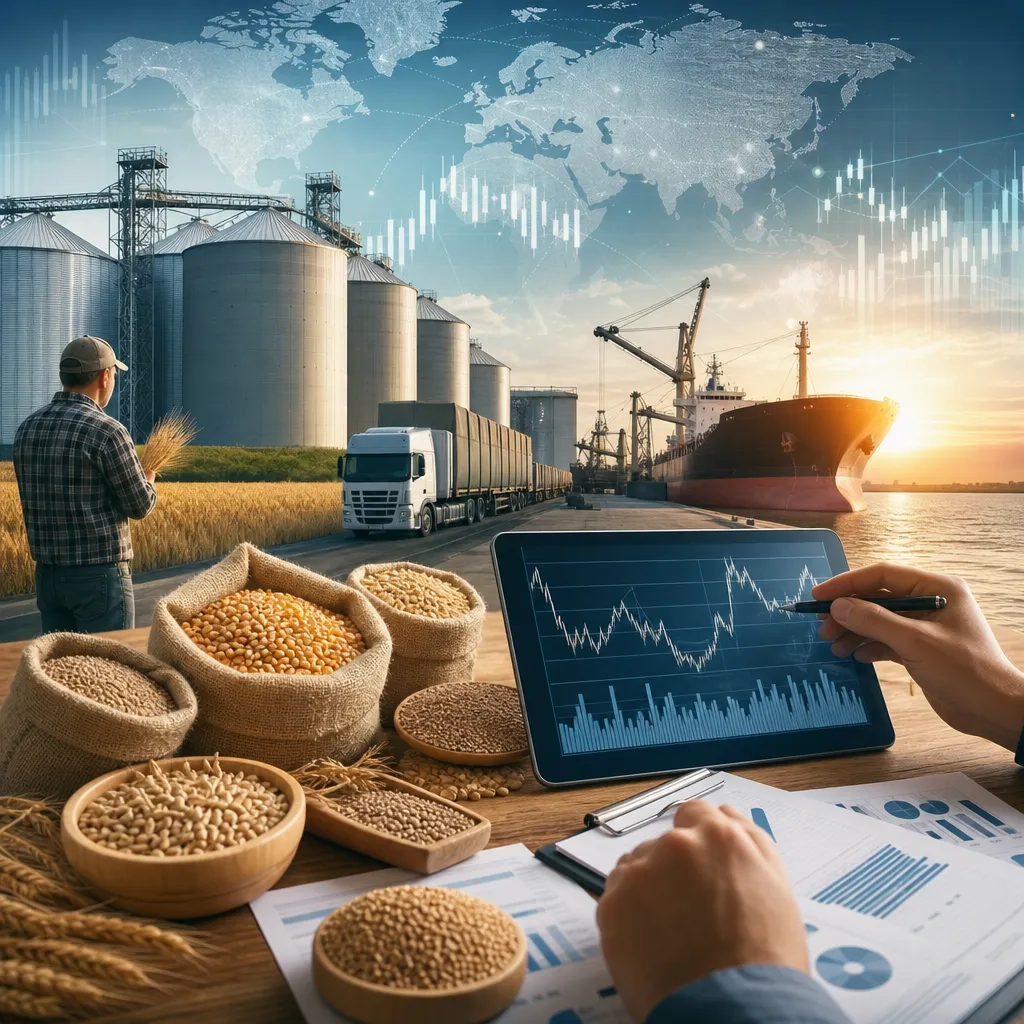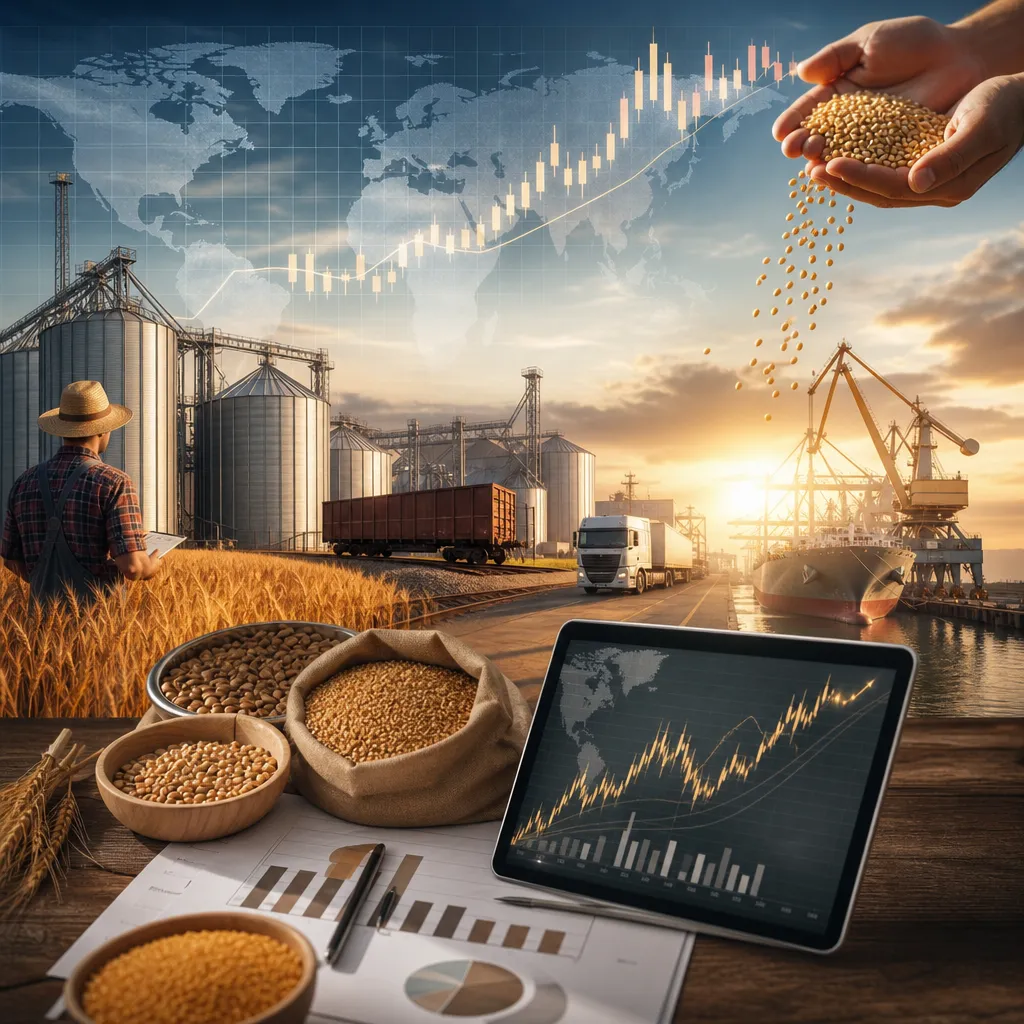
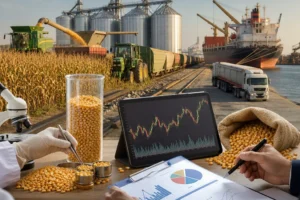
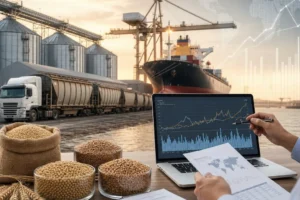
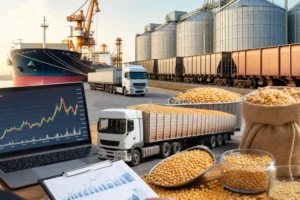
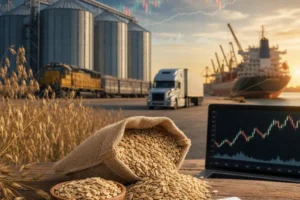


Precision monitoring of grain attributes has undergone a significant transformation through the integration of artificial intelligence into every stage of cultivation, storage, and distribution. By harnessing advanced algorithms, stakeholders in the grain industry can detect defects, predict market trends, and optimize processes with unprecedented accuracy. This article explores the diverse applications of AI in grain quality control and market analytics, shedding light on how automation and data-driven insights are reshaping global supply chains.
AI-Powered Sensing Technologies in Grain Quality Assessment
Traditional methods of grain inspection rely on manual sampling and laboratory tests, which can be time-consuming and prone to human error. The introduction of machine learning techniques combined with innovative sensor arrays provides a robust alternative:
- Hyperspectral and multispectral imaging capture minute variations in kernel composition, enabling spectroscopic analysis of moisture, protein, and lipid content in real time.
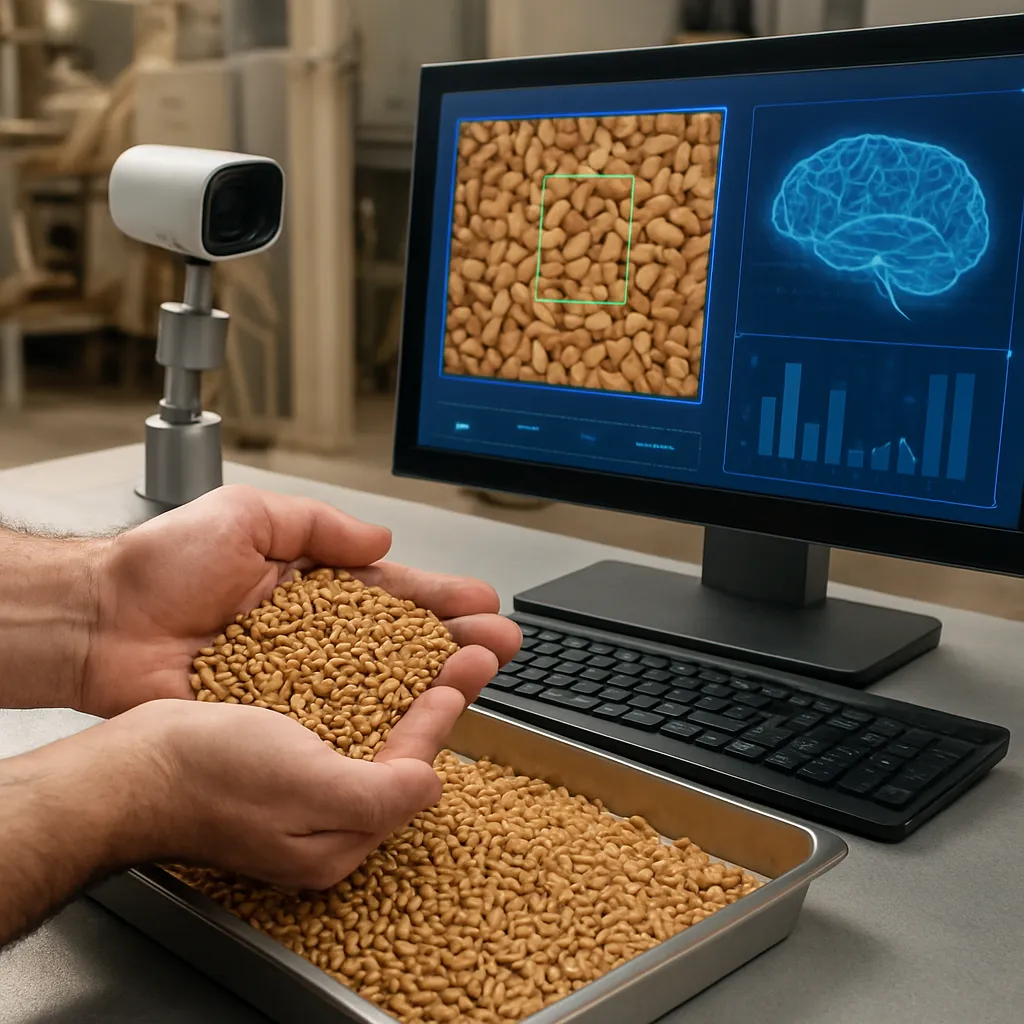
- Computer vision systems, guided by convolutional neural networks, identify foreign matter, discoloration, and insect damage with over 95% accuracy.
- Acoustic sensors analyze sound signatures when kernels collide, offering non-invasive firmness and density measurements that correlate with milling performance.
- Near-infrared spectroscopy (NIRS) paired with neural networks generates rapid predictions of chemical properties, reducing laboratory turnaround from days to mere seconds.
These technologies are embedded in portable scanners, conveyor-based units, and automated inspection lines. They provide continuous feedback on grain batches, triggering alerts when values deviate from preset thresholds. Farmers, millers, and exporters can then implement corrective actions—such as adjusting drying regimes or blending different lots—to uphold grain quality standards.
Real-Time Analytics for On-Farm Decision Making
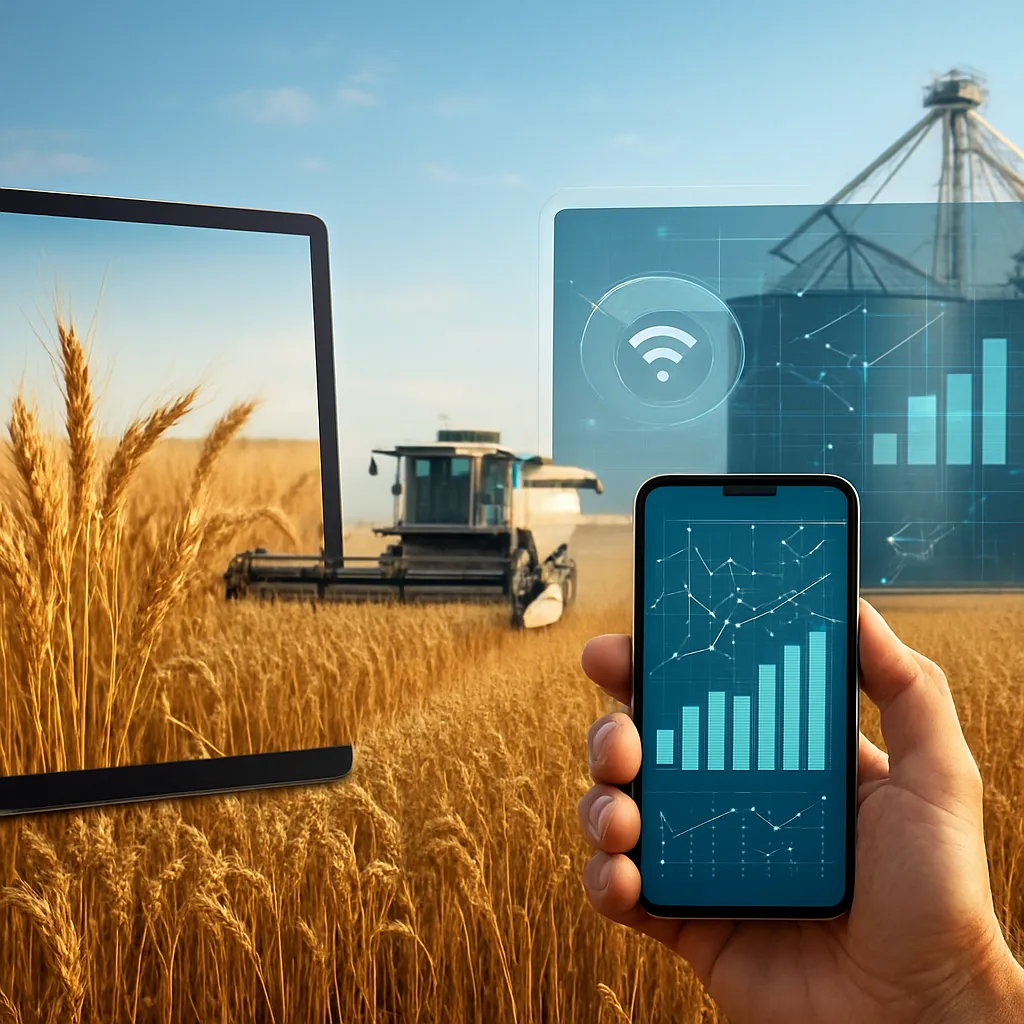
Deploying compact sensor modules directly in fields and storage bins unlocks new possibilities for proactive management:
- IoT-enabled sensor networks transmit humidity, temperature, and gas concentration data to cloud platforms, where predictive models forecast spoilage risks.
- Edge computing devices execute AI routines locally, allowing for rapid detection of mycotoxin proliferation before grains are offloaded.
- Mobile applications present intuitive dashboards, showing farmers heat maps of bin conditions and suggesting optimal aeration cycles to maintain moisture equilibrium.
Data Analytics and Predictive Models for Grain Market Insights
The grain market is influenced by a myriad of factors: weather patterns, geopolitical events, currency fluctuations, and consumer demand. AI-driven predictive analytics synthesizes these variables to offer accurate price forecasts and supply-demand projections:
- Time-series forecasting algorithms dissect historical commodity prices, identifying cyclical trends and anomalies induced by policy changes or trade disputes.
- Natural language processing scrapes news articles, social media posts, and shipping logs to quantify sentiment and detect emerging logistical bottlenecks.
- Reinforcement learning agents simulate trading strategies, adjusting hedging positions in futures markets to mitigate price volatility.
- Clustering techniques segment global producers and consumers into cohorts, pinpointing high-risk regions prone to drought or infrastructure breakdowns.
By consolidating disparate datasets—satellite imagery of crop health, port arrival schedules, and macroeconomic indicators—AI platforms generate scenario analyses. Traders and policy makers leverage these insights to balance inventories, negotiate contracts, and fine-tune pricing strategies.
Optimizing Supply Chain and Logistics
Efficient movement of grain from farm to fork is critical to minimizing losses and preserving nutritional value. AI enhances logistics through:
- Route optimization models that consider rail, trucking, and shipping lane capacities to recommend the most cost-effective transit plans.
- Digital twins of storage facilities, where virtual replicas mirror real-time conditions, allowing operators to test airflow adjustments or reconfiguration of silo layouts.
- Blockchain-enabled traceability systems that record every batch’s journey, ensuring transparency and swift recall capabilities if contamination occurs.
Automation in Grain Handling and Sorting Facilities
Large-scale grain elevators and processing plants are embracing automation to maintain consistent throughput and reduce labor-intensive tasks. AI-controlled machinery performs delicate operations with high precision:
- Automated sampling arms extract representative grain specimens without interrupting production flow.
- Robotic sorters equipped with high-speed cameras segregate kernels by color, size, and shape, achieving uniform quality for premium markets.
- Intelligent conveyors adjust belt speed based on predicted cleaning requirements, maintaining optimal separation of impurities and broken kernels.
- AI-driven maintenance schedules forecast equipment wear and tear, scheduling preventative servicing to minimize unplanned downtime.
Integration of sensor networks across equipment enables centralized monitoring platforms to visualize performance metrics—such as throughput rate, energy consumption, and reject percentages—allowing managers to pinpoint inefficiencies and swiftly reallocate resources.
Enhancing Traceability and Compliance
Regulatory agencies demand rigorous adherence to safety and quality standards. AI systems facilitate compliance by:
- Automatically compiling digital records of test results, storage conditions, and handling procedures, simplifying audit trails.
- Flagging deviations from certification criteria—like international phytosanitary norms or organic labeling requirements—triggering immediate corrective workflows.
- Employing computer vision to verify packaging integrity and label accuracy before dispatch.
Future Prospects and Integration of AI
The next frontier in grain quality control lies in converging multiple AI domains into a unified supply chain ecosystem. We can anticipate:
- Digital collaboration platforms where farmers, traders, and logistic providers share anonymized data to collectively refine predictive models.
- Autonomous drones conducting aerial surveys that feed real-time crop health metrics into decision support systems.
- Advanced generative AI crafting optimized feed formulations based on grain composition analysis, boosting livestock productivity.
- Quantum computing breakthroughs accelerating complex optimization tasks, from multi-modal logistics to global price arbitrage.
By embracing these innovations, the grain industry will reduce post-harvest losses, enhance food security, and foster sustainable practices. The synergy between human expertise and AI-driven automation promises a resilient, transparent, and highly efficient future for global grain markets.