




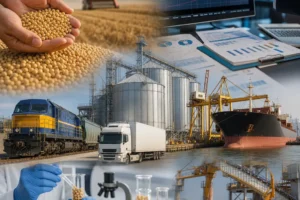
Effective grain production hinges on adept management of scarce water resources. Farmers and agronomists increasingly acknowledge that strategic water distribution not only influences crop yield but also supports long-term soil health and ecosystem stability. By integrating innovative tools and fine-tuning field practices, the grain sector can navigate growing pressures from irregular rainfall, soil degradation, and shifting consumer demands. This article examines the interplay between water availability and grain output, explores cutting-edge irrigation solutions, highlights policy frameworks, and anticipates future shifts that will define the global grain market.
Water Resources and Grain Production
Grain cultivation relies heavily on both surface and groundwater sources, which vary regionally in volume and reliability. In many major breadbasket regions, farmers confront increasing competition for water from urban centers, industry, and environmental flows that sustain wetlands and native vegetation. The pressing challenge is achieving a balance between maximizing grain yield and preserving vital aquatic ecosystems. Water tables are dropping in places where intensive cultivation outpaces natural recharge, highlighting the necessity of monitoring aquifer levels and river discharge. Climate models predict greater variability in precipitation and temperature, intensifying the risk of drought and flooding events.
To address these threats, stakeholders are investing in watershed management initiatives that promote sustainability through integrated planning. Techniques such as rainwater harvesting, managed aquifer recharge, and multi-stakeholder water allocation schemes aim to reduce overextraction and buffer against seasonal deficits. By analyzing hydrological data and employing remote sensing, researchers guide farmers in timing field operations to coincide with optimal moisture conditions, thus enhancing the overall efficiency of cropping systems.
Irrigation Strategies and Technologies
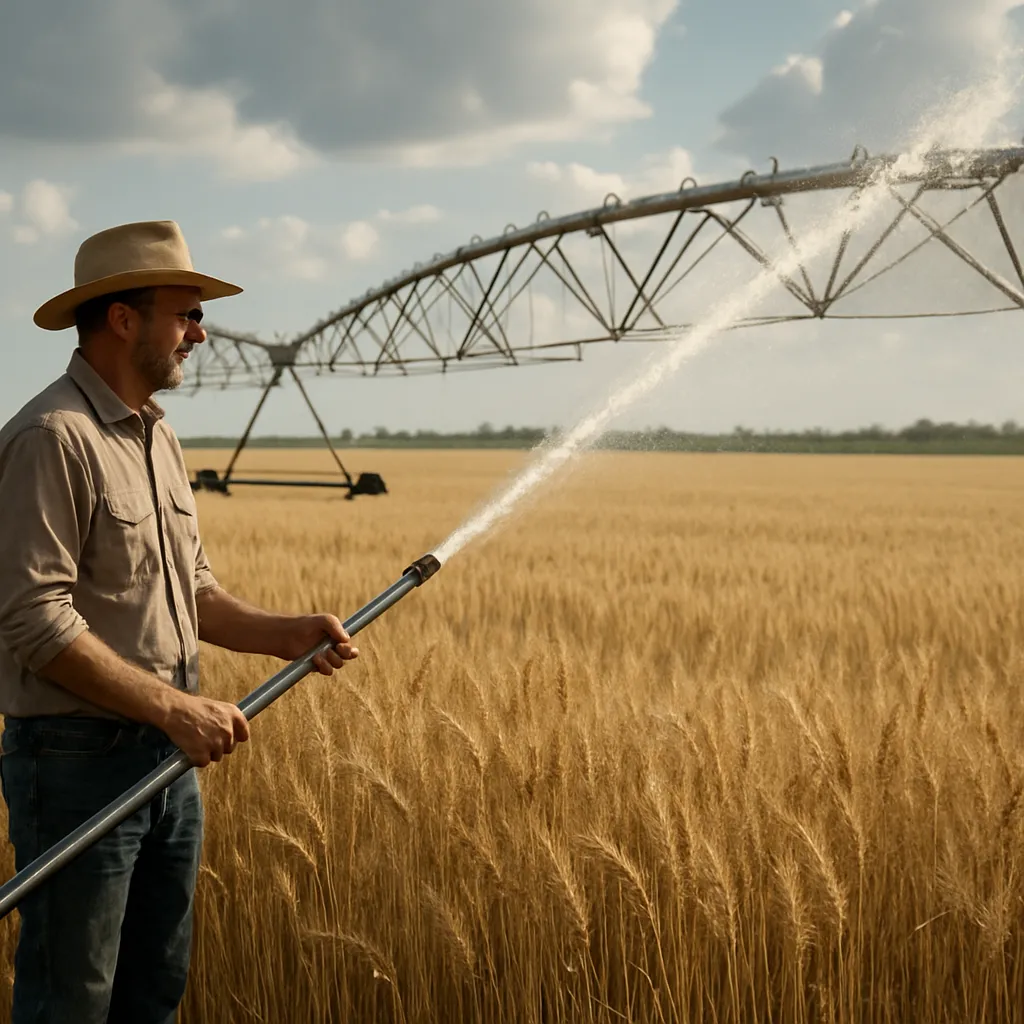
Modern grain operations increasingly deploy advanced precision irrigation systems that regulate water application at the level of individual rows or even single plants. Moving away from blanket flood irrigation, many producers now favor drip and center-pivot systems equipped with soil moisture sensors, weather stations, and real-time data analytics. These smart solutions enable growers to deliver water exactly when and where it is needed, reducing waste and preventing nutrient leaching.
- Soil-based sensors: Provide continuous feedback on water content and root zone saturation.
- Automated valves: Adjust flow rates in response to field conditions and crop growth stages.
- Remote monitoring platforms: Integrate satellite imagery, local weather forecasts, and irrigation controller data.
Adoption of variable rate irrigation can cut water consumption by up to 30 percent compared to traditional methods, while maintaining or improving grain quality. Beyond mechanical upgrades, farmers are optimizing irrigation schedules based on crop developmental milestones, ensuring that the most water-sensitive growth phases—such as flowering and grain filling—receive sufficient moisture.
Soil Moisture and Conservation Techniques
Preserving soil moisture is as critical as securing water deliveries. Conservation tillage practices, such as no-till and reduced-till systems, minimize surface evaporation by leaving crop residues in the field. These residues act as mulch, shading the soil and reducing temperature fluctuations. Cover cropping further enhances moisture retention and supports soil organic matter, creating a more resilient environment for germinating seeds and young seedlings.
- Contour farming: Aligns planting rows with natural land contours to slow runoff.
- Terracing: Creates stepped plots on slopes, preventing erosion and capturing rainfall.
- Mulching: Uses straw, compost, or synthetic materials to seal in moisture.
By coupling these methods with predictive soil moisture models, producers can fine-tune irrigation intervals, maximizing the synergy between natural rainfall and supplemental watering. Enhanced conservation also supports the proliferation of beneficial microbial communities, which contribute to nutrient cycling and bolster plant health.
Market Implications of Water Scarcity
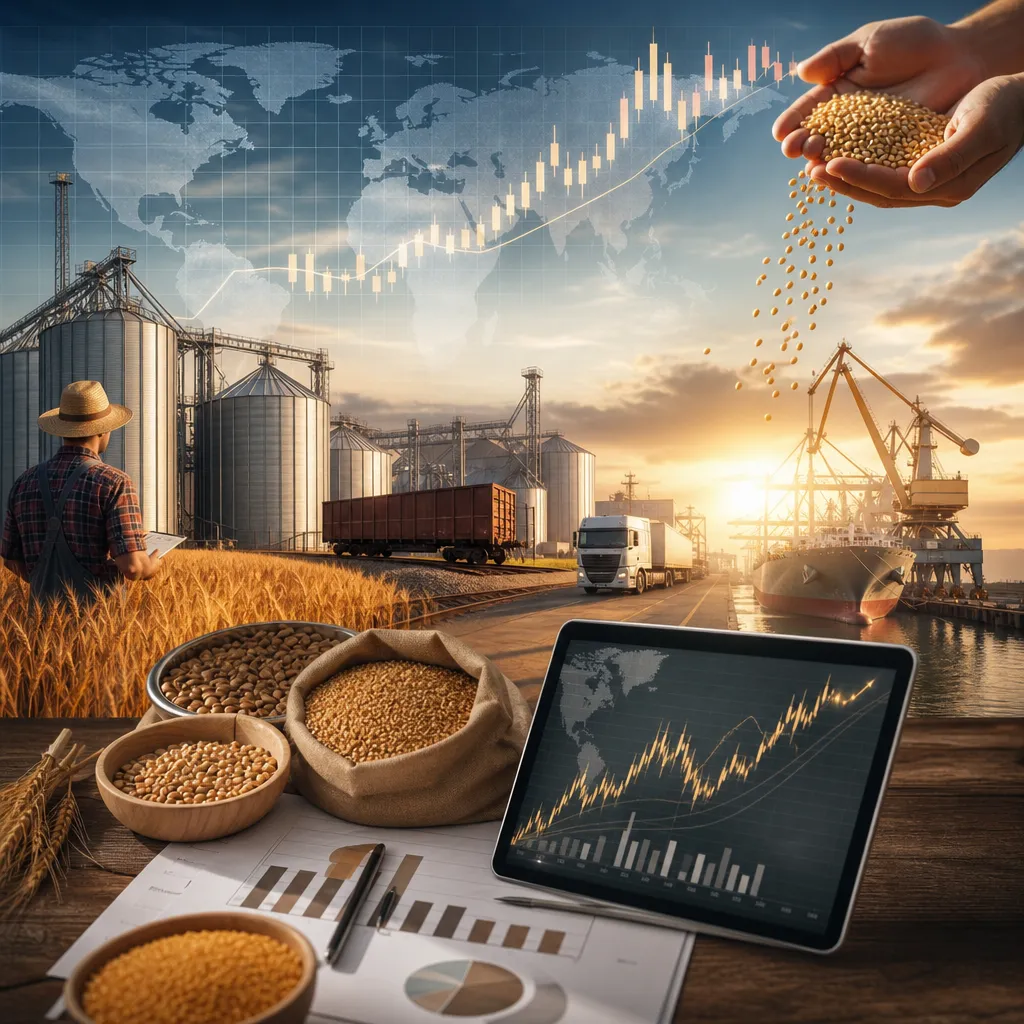
Water constraints can ripple through the grain supply chain, affecting commodity prices, trade balances, and food security. Regions facing chronic water stress may record lower harvest volumes, driving global price volatility. Import-dependent nations are especially vulnerable to supply shocks generated by droughts in major exporting countries.
Financial instruments such as water futures and crop insurance have emerged to mitigate these risks. Traders increasingly monitor hydrological indicators alongside traditional market data, while governments explore tariffs or quotas linked to virtual water content—the volume embedded in grain shipments. In some cases, water-scarce countries pay premiums for imports of less water-intensive grains, reshaping planting decisions worldwide.
Investors also scrutinize sustainability metrics, favoring grain producers with demonstrable commitments to efficient water usage and clear reporting on resource footprints. This trend amplifies the importance of transparent supply chains and third-party audits that verify best practices.
Policy, Regulation, and Incentives
Legislators and regulatory bodies play a pivotal role in guiding water allocation and encouraging innovation. Water rights systems vary, with some regions operating under riparian doctrines, while others use volumetric allocations based on annual entitlements. Reforms often aim to introduce flexibility—such as water trading schemes—allowing high-value crops or conservation projects to lease water from lower-priority uses.
Subsidies can accelerate the adoption of efficient technologies, but poorly designed incentives risk encouraging overuse. To achieve genuine sustainability, policymakers are experimenting with tiered pricing structures that increase marginal costs as consumption rises. Grants for advanced irrigation equipment, training programs, and public–private partnerships incentivize farmers to invest in modernization.
Collaboration among agencies overseeing agriculture, environment, and finance is essential to align objectives, minimize bureaucratic barriers, and ensure that funding reaches smallholder farmers as well as large enterprises.
Challenges and Barriers in Water Management
Despite promising tools, numerous obstacles hamper seamless integration of water-smart practices. High upfront costs for advanced irrigation and monitoring equipment can be prohibitive, particularly in low-income regions. Technical skills gaps limit the effective use of data‐driven solutions, and maintenance of sensor networks poses logistical hurdles.
Institutional fragmentation often results in conflicting policies among water, agricultural, and energy authorities. Data sharing across jurisdictions remains patchy, slowing the emergence of holistic management frameworks. Social and cultural factors also influence adoption; traditional farming communities may resist change due to perceived risks or lack of familiarity with novel approaches.
Addressing these barriers requires targeted extension services, expanded access to credit, and community engagement initiatives that demonstrate tangible benefits of water-efficient systems.
Future Trends in Water Management for Grain Farming
Looking ahead, the grain sector is poised for deeper integration of digital and biotechnological advancements. Artificial intelligence will refine irrigation algorithms, predicting plant water stress with unprecedented accuracy. Genetic research aims to develop crop varieties with enhanced drought tolerance and more efficient water uptake, further reducing reliance on supplemental water.
Blockchain technology may offer robust platforms for tracking water footprints and ensuring compliance with sustainability standards. Cross-sector collaborations, from tech start-ups to multinational agribusinesses, will accelerate innovation and extend the reach of best practices to smallholder networks. Ultimately, successful water management in grain farming will hinge on a careful balance of technological prowess, policy leadership, and community engagement—securing both crop yield and ecosystem vitality in an era of mounting environmental challenges.