



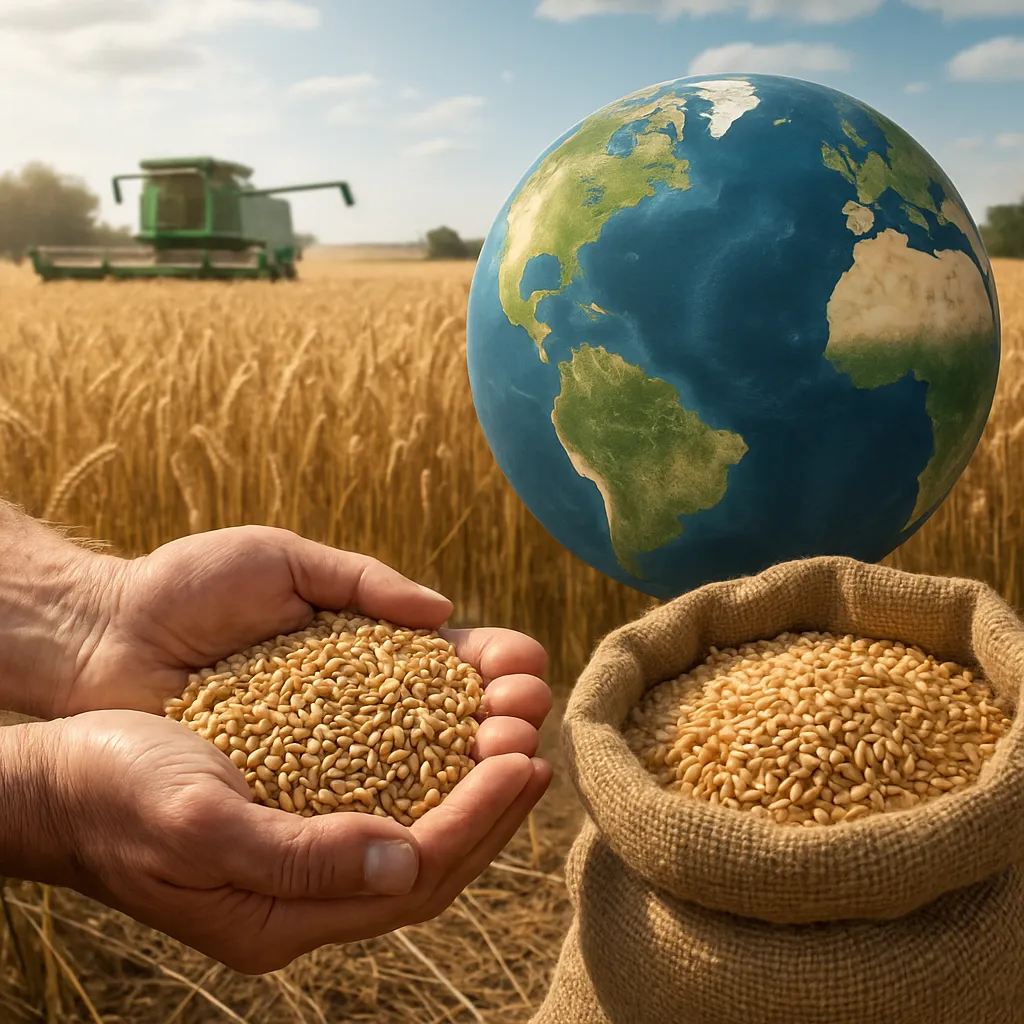
The global grain sector stands at a pivotal crossroads, where the demands of a growing population, shifting dietary patterns, and mounting climate pressures intersect. Ensuring reliable access to staple crops such as wheat, maize, rice, and barley hinges on forging robust networks that connect producers, researchers, policy makers, and market stakeholders across borders. By weaving together diverse perspectives and resources, the industry can unlock new pathways toward sustainable cultivation, resilient supply chains, and improved food security for billions. This article explores how international cooperation in the grain market strengthens productivity, fosters technological breakthroughs, and paves the way for equitable growth.
Empowering Smallholder Farmers through Knowledge Exchange
More than two billion people worldwide rely on smallholder farming for their livelihoods and daily nourishment. Despite their crucial role in yield generation, these farmers often face barriers to finance, tools, and market access. Collaborative initiatives that pair extension services with digital platforms, public institutions, and agribusinesses can bridge these gaps by sharing best practices and locally adapted solutions.
Peer-to-Peer Learning Networks
- Field schools and virtual workshops enable farmers to exchange insights on crop rotation, soil management, and pest control.
- Participatory trials encourage communities to test new seed varieties, evaluate performance under local conditions, and share results.
- Mentorship programs link experienced growers with novices, accelerating the adoption of proven techniques.
Access to Critical Inputs
- Bulk purchasing coalitions reduce input costs for seeds, fertilizers, and equipment.
- Microcredit and insurance schemes, often supported by global development agencies, secure farmers against unpredictable weather and market fluctuations.
- Mobile advisory services deliver real-time weather alerts and agronomic tips, improving decision-making and reducing crop losses.
By pooling knowledge and resources, smallholders gain resilience against shocks, while consumers benefit from more stable grain supplies.
Enhancing Supply Chain Resilience with International Partnerships
Global grain markets depend on a complex web of logistics, finance, and trade agreements. Disruptions—whether due to extreme weather events, geopolitical tensions, or pandemics—can trigger price spikes and shortages. A collaborative approach that unites port authorities, shipping lines, commodity traders, and government agencies helps maintain open routes and secure transactions.
Transparency and Traceability
- Shared digital ledgers track grain shipments from farm to fork, ensuring transparency and reducing fraud.
- Standardized grading and certification systems simplify cross-border trade and guarantee consistent quality.
- Real-time monitoring dashboards inform stakeholders of vessel movements, storage levels, and demand projections.
Risk Mitigation Frameworks
- Collaborative insurance pools distribute risk among multiple insurers, lowering premiums for members.
- Contingency agreements between exporting and importing nations enable emergency grain transfers during crises.
- Joint investments in port infrastructure and multimodal transport corridors bolster capacity and reduce bottlenecks.
Such alliances promote efficiency and reliability, ensuring that grains flow smoothly even when disruptions loom.
Advancing Research and Innovation for Sustainable Practices
Cutting-edge research underpins breakthroughs in crop genetics, precision agriculture, and regenerative farming. International consortia that unite universities, biotech firms, and public research centers accelerate the development of solutions tailored to diverse agroecological zones. This synergy drives progress toward higher yields, reduced environmental footprints, and improved nutritional profiles.
Climate-Resilient Varieties
- Cross-border gene banks conserve heirloom and wild relatives of staple grains, guaranteeing genetic diversity.
- Collaborative breeding programs harness molecular tools to produce drought-tolerant, pest-resistant cultivars.
- Data-sharing platforms facilitate large-scale phenotyping trials, accelerating selection processes.
Precision and Digital Farming
- Satellite imagery and IoT sensors, integrated through multinational partnerships, offer insights into soil moisture and crop health.
- Machine learning algorithms, trained on diverse datasets, optimize irrigation schedules and fertilizer applications.
- Robotic equipment and variable-rate technologies maximize input efficiency, lowering water and chemical footprints.
By combining expertise across borders, researchers can achieve rapid innovation cycles and deploy solutions that meet local needs.
Policy Coordination and Trade Agreements
Regulatory alignment plays a crucial role in maintaining stable grain markets. Differing tariffs, export restrictions, and phytosanitary standards can disrupt trade flows and erode trust among nations. Negotiating harmonized policies through intergovernmental forums fosters collaboration and promotes equitable access to resources.
Harmonizing Quality Standards
- Mutual recognition agreements reduce redundant inspections and speed up customs clearance.
- Joint committees regularly review and update allowable pesticide residue levels to safeguard public health.
- Coordinated labeling schemes enhance consumer confidence by ensuring accurate origin and quality information.
Market Stabilization Mechanisms
- Buffer stock arrangements and strategic reserves, managed collectively, cushion against supply shocks.
- Price monitoring systems and early warning networks alert governments to emerging shortages or surpluses.
- Flexible trade corridors, maintained under multilateral treaties, ensure grain can be rerouted swiftly if one route is compromised.
Such policy frameworks foster adaptability in an ever-evolving global context, safeguarding both producers and consumers.
Fostering Inclusive Growth and Social Impact
Grain sustainability extends beyond yield and trade metrics; it encompasses social equity, gender empowerment, and rural development. Collaborative programs that integrate civil society organizations, local authorities, and corporate partners can deliver comprehensive support to underserved communities.
- Training women farmers in cooperative management and financial literacy boosts household incomes and community well-being.
- Youth engagement initiatives promote agritech entrepreneurship, fostering the next generation of innovation leaders.
- Public–private partnerships invest in rural infrastructure—roads, storage facilities, and market centers—unlocking economic opportunities.
By weaving social considerations into grain strategies, stakeholders ensure that benefits are widely distributed, creating a more just and resilient food system.