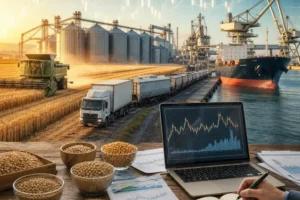


Understanding how to account for the carbon footprint in the grain supply chain is crucial for stakeholders aiming to enhance efficiency and drive sustainable outcomes. This article delves into key aspects of measuring, reporting, and reducing greenhouse gas impacts within the global grain trade.
Carbon Footprint Basics in Grain Supply
The global grain sector is responsible for a significant share of agricultural emissions. From field preparation and fertilization to harvesting and transportation, each stage of the grain supply chain contributes to the overall footprint. Effective accounting requires understanding both direct and indirect emission sources:
- Direct emissions – those generated by machinery, on‐farm operations, and fuel combustion.
- Indirect emissions – associated with the production of fertilizers, pesticides, electricity, and upstream inputs.
Field-Level Operations
Activities like plowing, seeding, and harvesting drive the bulk of on-farm energy use. Modern tractors and harvesters, while improving productivity, still rely on diesel engines that emit CO₂ and particulate matter. Precision farming technologies—GPS-guided equipment, variable-rate application—offer ways to optimize fuel consumption and fertilizer use, directly lowering greenhouse gas output.
Upstream Inputs and Lifecycle
Fertilizer manufacturing is energy-intensive, often depending on natural gas. Accurately attributing portions of these production emissions to each ton of grain demands a lifecycle approach. Lifecycle assessment (LCA) models aggregate emissions across the full production chain, from raw material extraction to end-of-life management of residues and packaging.
Measurement and Reporting Methodologies
Credible reporting frameworks are essential to ensure comparability and transparency across regions and commodities. Several recognized standards and protocols guide methodology selection, data collection, and emission factor assignment.
GHG Protocol and ISO Standards
The GHG Protocol Corporate Accounting and Reporting Standard and ISO 14064 outline scopes for emissions and key principles such as relevance, completeness, consistency, transparency, and accuracy. Grain companies often adapt these frameworks to their unique supply chain structures by mapping:
- Scope 1 – direct on-site emissions from farm machinery and processing facilities.
- Scope 2 – indirect emissions from purchased electricity.
- Scope 3 – all other upstream and downstream emissions, including transport, distribution, and end-use.
Data Collection and Emission Factors
Collecting primary data—fuel consumption records, fertilizer use logs, electricity invoices—is challenging in fragmented agricultural regions. Many organizations supplement with average emission factors from databases like EDGAR or IPCC guidelines. Balancing data precision and resource constraints is a key hurdle for producers and stakeholders alike.
Strategies for Reduction and Market Impacts
Reducing the carbon footprint demands coordinated action across the entire value chain. Producers, processors, transporters, traders, and end users all play a role in driving efficiencies and innovation that foster greater resilience and environmental benefit.
On-Farm Best Practices
- Adopting no-till or conservation tillage systems to reduce soil disturbance and preserve carbon stocks.
- Implementing cover cropping techniques to improve soil health, reduce erosion, and sequester carbon.
- Optimizing nitrogen fertilizer application through soil testing, nitrification inhibitors, and controlled-release formulations.
- Integrating sustainability-driven crop rotations to break pest cycles and minimize chemical inputs.
Logistics and Processing Efficiencies
Transportation accounts for a substantial portion of total supply chain emissions. Shifting long-haul freight from road to rail or inland waterways can achieve up to 70% lower CO₂ per ton-mile. Investments in cleaner fleets, biofuel blends, and route optimization software further cut emissions. On the processing side, energy-efficient dryers, renewable heat sources, and waste heat recapture systems reduce the carbon intensity of milling and storage operations.
Market Mechanisms and Incentives
Buyers and investors increasingly demand proof of carbon performance. Carbon labeling, environmental product declarations (EPDs), and third-party certifications enable transparent communication of footprint metrics. Market-based instruments such as carbon credits or offset programs can complement internal reductions, although critics argue that real emission cuts should be prioritized over adaptation through offsets.
Emerging Technologies and Future Directions
Innovation continues to reshape the way grain supply chains address greenhouse gas challenges. Cutting-edge solutions combine digital tools, biological advances, and new business models.
Digital Traceability and Blockchain
Distributed ledger technologies offer immutable records of grain origin, input usage, and transport events. Real-time data sharing among farmers, cooperatives, and buyers enhances decision-making and builds trust across the chain. Transparent carbon accounting at every node supports credible sustainability claims.
Biological and Breeding Innovations
Breeding programs now prioritize traits that lower agricultural inputs and improve carbon sequestration capacity. Drought-resistant, nitrogen-efficient crop varieties reduce fertilizer requirements and irrigation needs. Microbial soil amendments and biofertilizers hold promise for replacing a portion of synthetic nitrogen, cutting associated life cycle emissions.
Collaboration for Systemic Impact
Effective carbon footprint management in grain markets depends on coordinated efforts among governments, NGOs, industry associations, and research institutions. Policy incentives, public-private partnerships, and knowledge-sharing platforms accelerate adoption of innovations. By aligning commercial objectives with environmental goals, the sector can achieve meaningful progress toward net-zero targets.