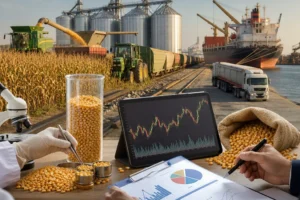
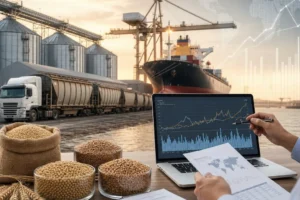
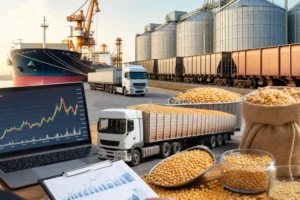
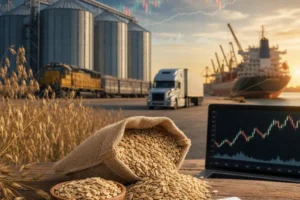

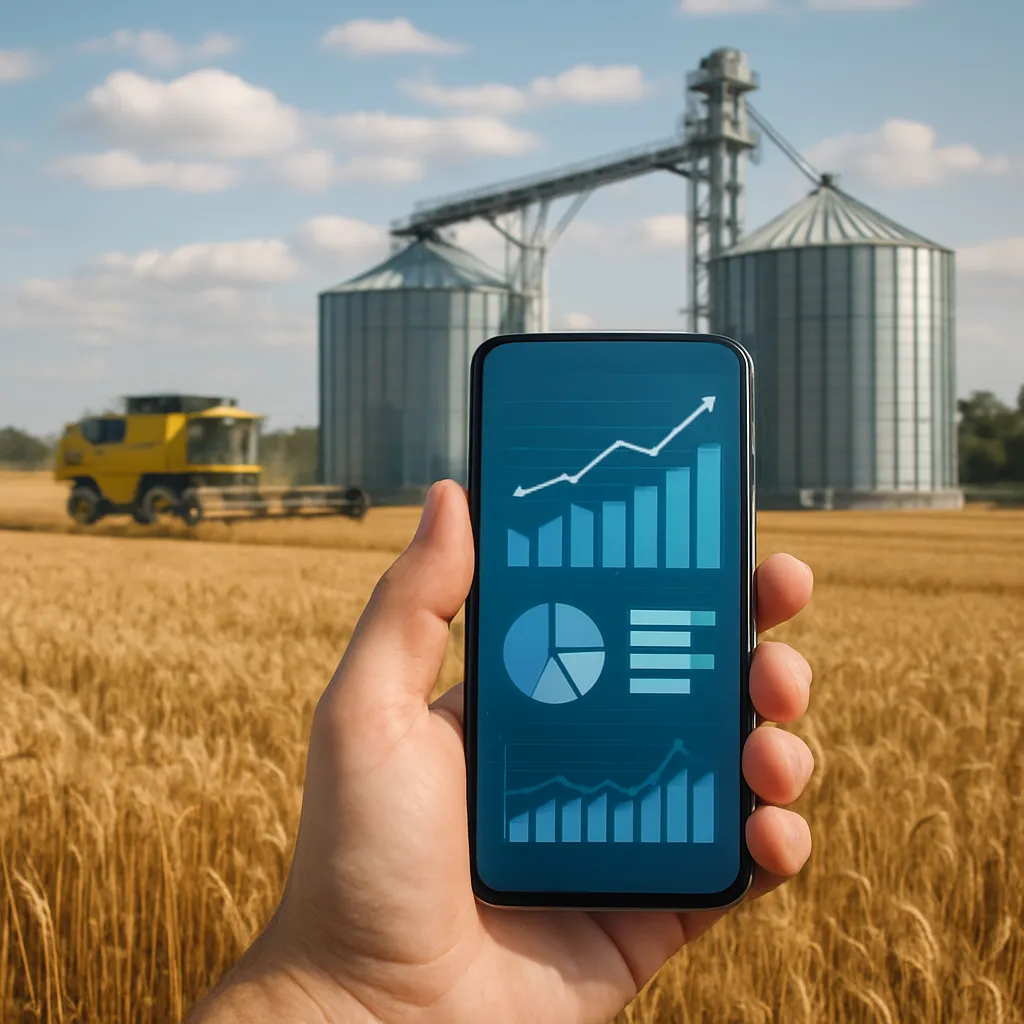
The integration of cutting-edge technologies into the grain market is revolutionizing traditional practices and eliminating persistent inefficiencies. By leveraging digitalization, stakeholders across the value chain can access real-time data, improve transparency, and make more informed decisions. This article explores key areas where technological innovations drive smoother operations, bolster profitability, and support sustainable agriculture.
Enhancing Supply Chain Visibility
One of the most significant challenges in grain trading has been the opacity of the supply chain. Producers, traders, and end-users often face delays, miscommunications, and unexpected costs due to a lack of synchronized information. Digital tools are now providing unprecedented levels of traceability and accountability.
Blockchain for Secure Tracking
Blockchain technology ensures that every transaction and movement of grain is recorded in an immutable ledger. This tamper-proof record helps:
- Verify origin and quality certificates
- Reduce fraud and mislabeling risks
- Accelerate dispute resolution with transparent audits
IoT Sensors and Remote Monitoring
Internet of Things (IoT) devices deployed in silos, trucks, and storage facilities monitor temperature, humidity, and pressure in real time. Instant alerts on deviations help prevent spoilage and maintain grain integrity. By combining IoT with cloud platforms, operators achieve:
- Continuous quality control
- Reduced spoilage and mold outbreaks
- Improved inventory turnover
Optimizing Pricing and Trading Mechanisms
Pricing volatility is inherent in agricultural commodities, but digital solutions are smoothing price discovery and trading processes. Traditional over-the-counter (OTC) deals often lack transparency, leading to inefficiencies and potential disputes. New platforms address these issues head-on.
Automated Marketplaces
Online grain exchanges match buyers and sellers through algorithm-driven auctions. Key benefits include:
- Dynamic price updates based on real-time supply and demand
- Lower transaction costs by eliminating intermediaries
- Enhanced liquidity via broad participation
Predictive Analytics and Forecasting
Advanced models powered by machine learning analyze weather patterns, historical yields, and global consumption trends. This predictive analytics capability results in:
- Accurate price forecasting to hedge against risk
- Optimized planting and harvesting schedules
- Strategic contract timing for maximum returns
Streamlining Logistical Operations
Logistics in the grain industry faces hurdles such as transportation bottlenecks, storage inefficiencies, and unpredictable customs procedures. Digital interventions pave the way toward seamless movement of goods.
Route Optimization and Fleet Management
GPS-enabled platforms and AI-driven algorithms optimize routing for bulk carriers and trucking fleets. Advantages include:
- Reduced fuel consumption and emissions
- Minimized transit delays and demurrage charges
- Enhanced driver performance through real-time guidance
Digital Documentation and E-Bills of Lading
Paper-based shipping documents often cause delays and errors. Electronic documentation offers:
- Instant verification by customs and port authorities
- Secure sharing through encrypted digital channels
- Faster release of payment via smart contracts
Data-Driven Decision Making and Forecasting
Access to high-quality, structured data allows grain industry participants to shift from reactive to proactive strategies. Custom dashboards and analytics suites enable precise monitoring and forecasting.
Integrated Farm Management Systems
Digital platforms connect field-level data to central management hubs. Farmers can track inputs, field conditions, and yields, leading to:
- Optimized fertilizer and pesticide usage
- Improved water management for sustainable practices
- Reduced operational costs through targeted interventions
Market Intelligence and Risk Management
Subscribers to sophisticated intelligence services receive curated insights on macroeconomic policies, trade agreements, and currency fluctuations. These insights support:
- Informed hedging strategies to mitigate price swings
- Strategic diversification of export markets
- Early identification of regulatory changes impacting trade
Expanding Market Access for Smallholders
Traditionally, small-scale farmers have lacked direct channels to major buyers and suffered from unfavorable pricing. Digital platforms democratize access and empower these producers.
Mobile-Based Trading Apps
Smartphone applications enable farmers to list their harvest, compare price offers, and arrange transport without middlemen. This fosters:
- Better bargaining power and fair pricing
- Transparent rating systems for buyers and sellers
- Financial inclusion via integrated payment gateways
Collaborative Cooperatives Online
Virtual cooperatives leverage group bargaining to access bulk discounts on inputs and negotiate premium contracts. By uniting under digital hubs, members achieve:
- Shared investment in modern storage infrastructure
- Collective branding to enter higher-value markets
- Increased resilience against market shocks
Environmental Sustainability and Compliance
Digitalization not only enhances economic outcomes but also promotes eco-friendly practices. Regulatory bodies demand stricter reporting on environmental impact, and technology simplifies compliance.
Carbon Footprint Tracking
Digital platforms assess emissions from field operations, transport, and processing. Automated reporting tools help organizations:
- Meet sustainability targets under global frameworks
- Gain certifications that command premium prices
- Demonstrate accountability to consumers and investors
Water Usage Monitoring
Precision irrigation systems connected to cloud analytics ensure optimal water application. Benefits include:
- Preservation of scarce freshwater resources
- Lower energy use for pumping and treatment
- Enhanced crop resilience during droughts