
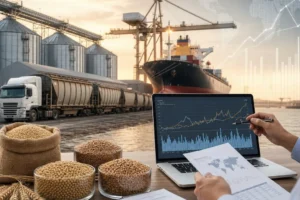
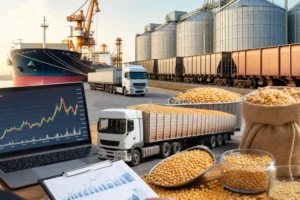
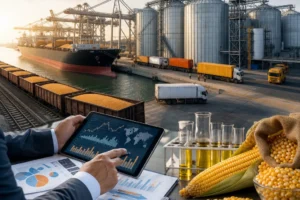
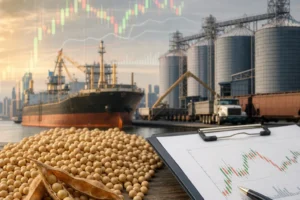
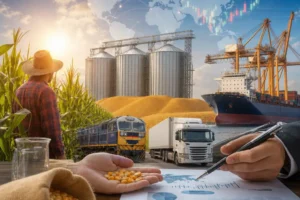
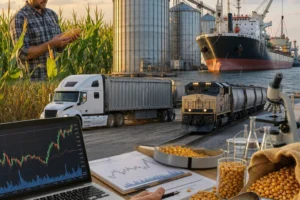
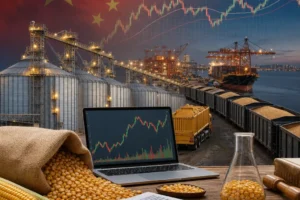

The global grain sector is increasingly shaped by complex interactions between production, distribution, and market forces. Persistent disruptions within supply chain networks can send shockwaves through the international commodities trade, ultimately affecting the price consumers pay for staple crops. Understanding how interruptions in logistics—such as port bottlenecks, labor shortages, and transport delays—translate into price fluctuations is vital for farmers, traders, policymakers, and other stakeholders. This article examines the root causes of these interruptions, assesses their impact on grain pricing, and explores strategies designed to build greater resilience into the system.
Supply Chain Vulnerabilities and Root Causes
Grain distribution relies on a delicate balance of infrastructure, timing, and coordination. Several factors can undermine this balance, leading to volatility in market prices:
- Port Congestion and Capacity Constraints: Major export terminals often operate near maximum throughput. Unexpected surges in export demand or equipment breakdowns can overwhelm available berths and storage facilities, delaying shipments.
- Transportation Disruptions: Road closures, rail maintenance, and inland waterway droughts create detours or extended waiting times for grain carriers. In many regions, a lack of redundant routes amplifies the impact of any single chokepoint.
- Labor Shortages and Regulatory Hurdles: Workforce limitations at loading docks or customs clearance points can significantly slow down processing. Strict biosecurity or environmental regulations, while essential for safety and sustainability, may add procedural steps that prolong transit time.
- Geopolitical Tensions and Trade Policies: Export bans, tariffs, and sanctions alter traditional trade patterns, forcing grain to take longer or more expensive routes. Rapid changes in policy can leave market participants scrambling to adjust contracts and logistics plans.
Transmission of Disruptions into Grain Prices
Once a logistics breakdown occurs, its effects ripple through every stage of the grain market cycle:
Initial Shock and Spot Market Reactions
Delays in upcountry elevators or export terminals reduce available stocks on the open market. This immediate scarcity often triggers sharp increases in spot prices as buyers compete for limited supplies. Speculators may amplify these swings by placing large orders or adjusting futures positions.
Contractual Price Adjustments
Long-term offtake agreements typically include clauses for demurrage charges and delivery windows. When shipments exceed agreed-upon periods, sellers may face penalties unless higher freight rates are negotiated. These additional costs get factored into the contract price, pushing overall grain prices upward.
Feedback Loops and Regional Disparities
In regions heavily dependent on a single transport artery, localized disruptions can lead to pronounced price differentials compared to well-connected markets. Traders then redirect flows toward higher-margin opportunities, exacerbating imbalances. Secondary markets may witness rapid inflation in freight rates and storage fees, contributing further to the end price.
Adaptive Strategies to Mitigate Price Impacts
Market participants and policymakers are employing a variety of approaches to lessen the effect of logistics failures on final grain prices:
- Infrastructure Investment: Expanding port capacity through new berths, silos, and rail spur lines can alleviate persistent congestion. Public–private partnerships are especially effective in mobilizing capital for large-scale projects.
- Data-Driven Forecasting: Advanced analytics platforms integrate weather patterns, shipping schedules, and equipment availability in real time. These tools enable operators to anticipate bottlenecks and reroute cargo before delays become critical.
- Flexible Contract Structures: Incorporating variable delivery terms and dynamic pricing formulas can help align buyer and seller expectations. Indexing freight costs to a transparent benchmark reduces disputes over unforeseen increases.
- Collaborative Logistics Networks: Grain handlers, carriers, and government agencies can form consortiums to share resources—such as mobile storage units or idle railcars—during peak seasons. Pooling assets creates a buffer against localized shortages.
- Regulatory Streamlining: Harmonizing customs procedures and standardizing documentation can speed clearance times. Pilot programs for electronic manifests and risk-based inspections have shown promising reductions in administrative delays.
Building Long-Term Resilience
Beyond immediate tactical solutions, the grain sector must foster systemic resilience to future unpredictability:
Diversification of Export Routes
Developing alternative corridors—such as inland dry ports or coastal transshipment hubs—spreads risk across multiple pathways. This diversification makes the network less susceptible to a single point of failure.
Integrated Risk Management
Producers and traders can utilize hedging instruments, insurance products, and contingency reserves to buffer financial losses from logistical setbacks. Adopting a holistic risk management framework ensures that supply disruptions translate into manageable, rather than existential, cost adjustments.
Stakeholder Collaboration and Transparency
Regular information sharing among stakeholders—including growers, millers, transport companies, and regulators—helps identify emerging threats early. Establishing dashboards that report port turn times, railcar availability, and customs processing rates promotes collective situational awareness.
The Path Forward for Grain Markets
As global demand for grain continues to climb alongside growing urbanization and population pressures, efficient and reliable logistics will be a cornerstone of stable pricing. By investing in robust infrastructure, deploying cutting-edge data analytics, and fostering a spirit of cooperation, the industry can reduce its susceptibility to disruptions. In doing so, it will not only safeguard the livelihoods of farmers and exporters but also ensure that consumers worldwide have access to affordable staple foods. The interplay between transportation networks and market dynamics underscores the critical importance of resilience in maintaining the delicate balance of global grain supply and prices.