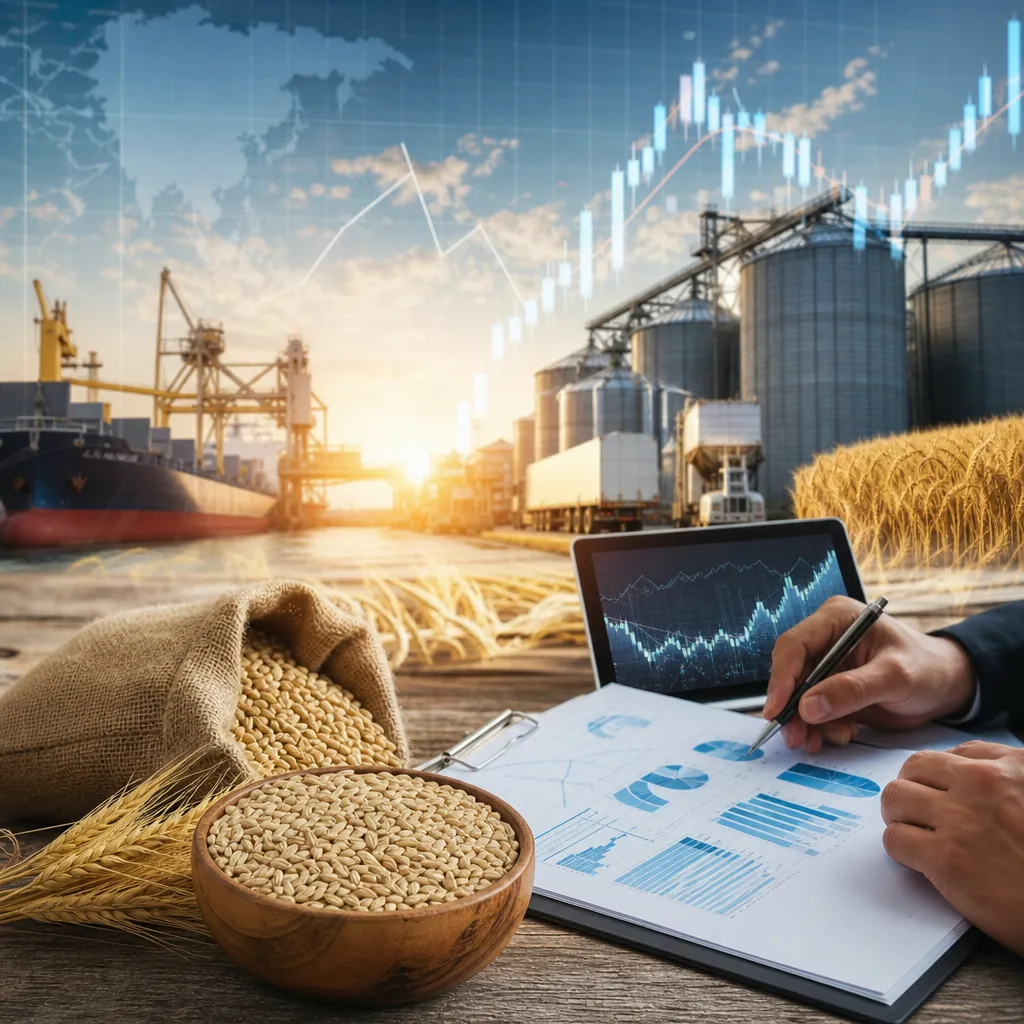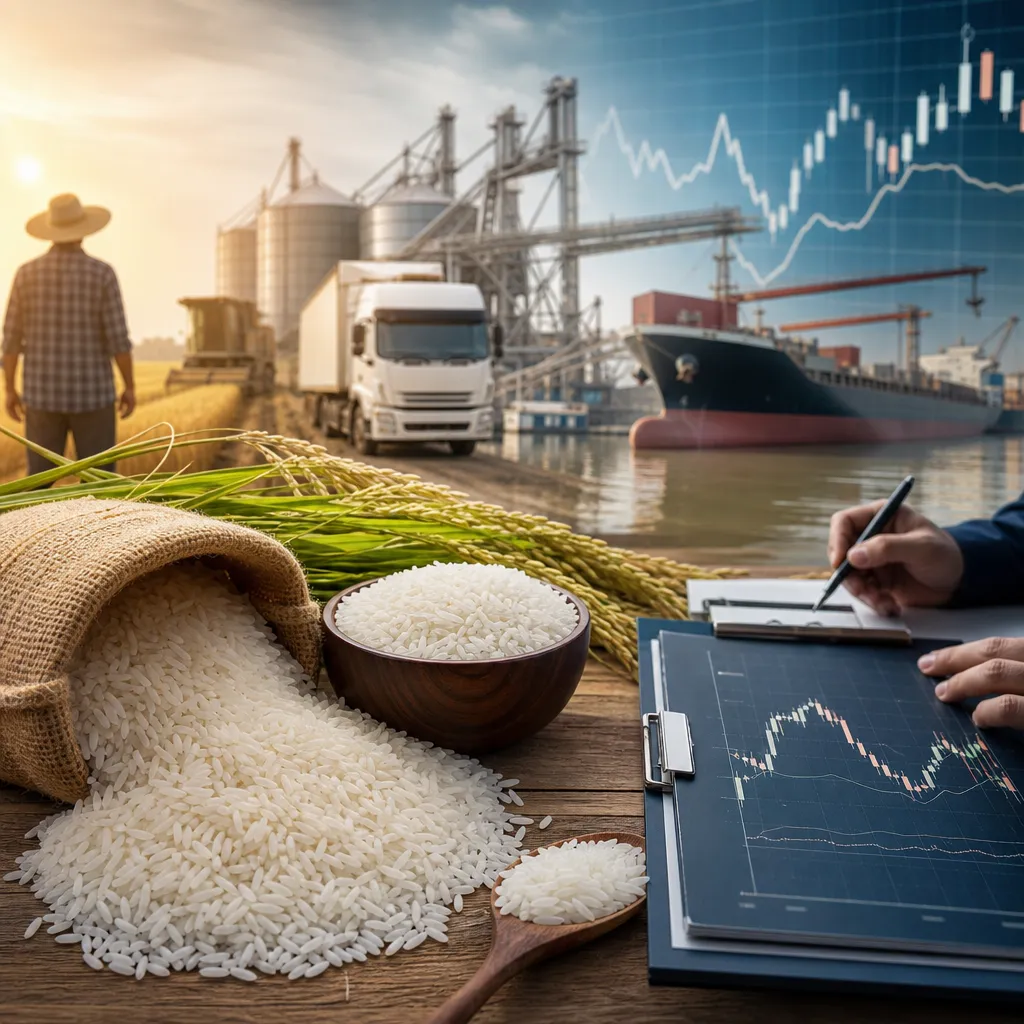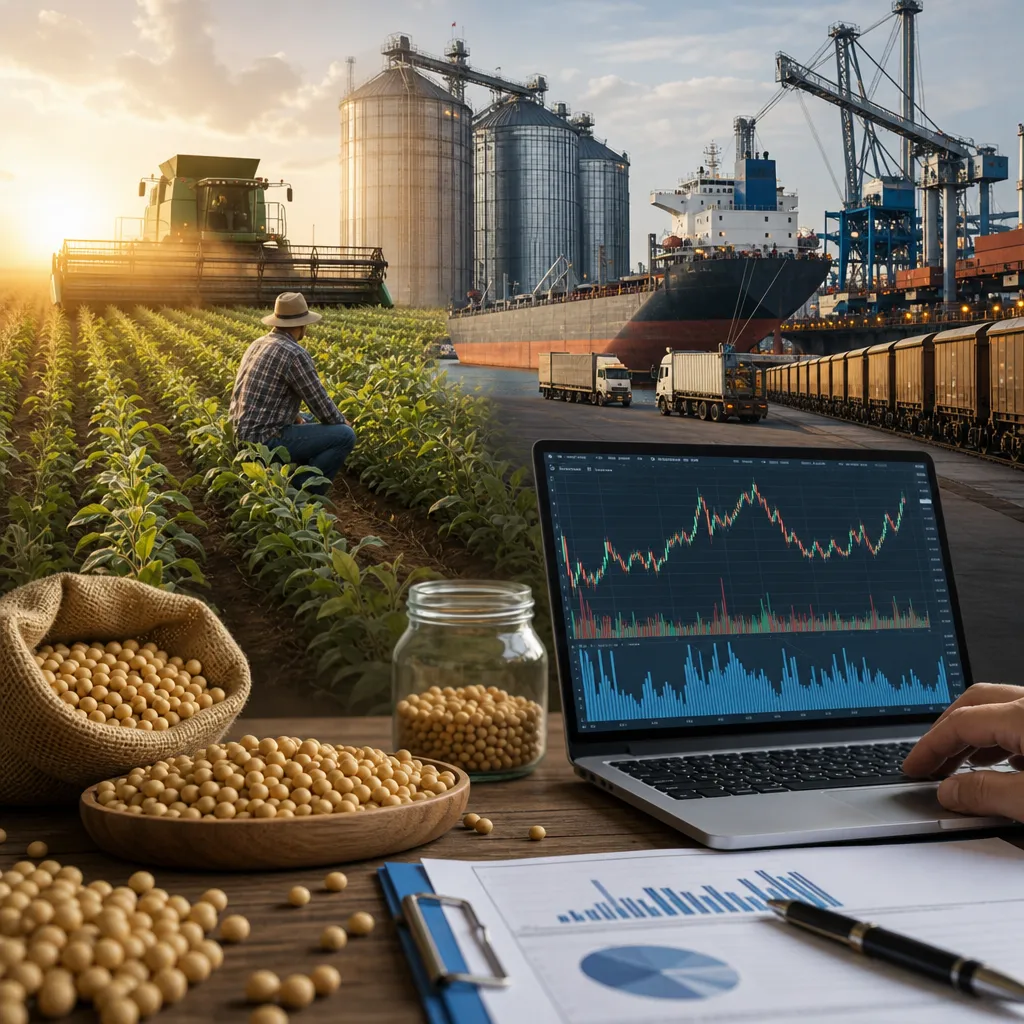







The grain market stands at the intersection of agriculture, finance, and geopolitics, generating a complex network of interactions that influence global food security and economic stability. This article delves into the key concepts shaping price movements, offering insights into the mechanisms behind volatility and the role of various participants—from farmers to commodity traders. By exploring fundamental drivers, analytical tools, and emerging trends, readers will gain a well-rounded perspective on how market signals translate into actionable decisions.
Grain Market Fundamentals
A thorough grasp of fundamental principles is essential for anyone seeking to interpret price movements in wheat, corn, rice, or soybeans. At its core, the grain market responds to shifts in supply and demand, but the underlying variables are multifaceted.
Global Production and Consumption Patterns
- Supply dynamics hinge on planting acreage, weather conditions, fertilization practices, and yield per hectare. Major growing regions such as North America, South America, Europe, and Asia each contribute distinct seasonal windows to the market cycle.
- Demand arises from human consumption, livestock feed, biofuel conversion, and industrial applications. Emerging economies often drive consumption growth as dietary habits evolve.
- Stock-to-use ratios serve as a critical benchmark, indicating how much carryover stock remains relative to total usage. Tight ratios often presage upward price pressure.
Role of Government Policies
Subsidies, import tariffs, export quotas, and strategic grain reserves can significantly alter trade flows. For example, a government-imposed export ban to ensure domestic food security might suddenly tighten global fundamentals, triggering price spikes.
Interpreting Supply and Demand Signals
Market participants rely on a combination of official data releases and real-time indicators to calibrate expectations. Effective interpretation of these signals can spell the difference between profit and loss in grain trading.
Official Data Sources
- The United States Department of Agriculture (USDA) publishes monthly World Agricultural Supply and Demand Estimates (WASDE). These reports provide detailed acreage, yield, production, and stock projections for major crops.
- Foreign ministries and regional bodies supplement the USDA with local reports, often revealing variances in planting intentions or harvest progress.
- Private consulting firms and satellite-based analytics platforms offer early estimates of crop health and yield forecasts, sometimes outpacing official releases.
Market-Derived Indicators
Beyond official figures, traders watch futures futures open interest to gauge ongoing commitments and the risk appetite of speculators. Changes in basis differentials between local cash markets and futures prices can shed light on logistical bottlenecks or localized shortages.
Impact of External Factors on Price Volatility
While fundamentals provide the foundation, external events often act as catalysts for sharp price swings. Recognizing these triggers is crucial for managing exposure and identifying trading opportunities.
Weather and Climate Events
- Droughts, floods, and heatwaves in key producing regions can decimate yields. The El Niño–Southern Oscillation (ENSO) phenomenon, for example, exerts a pronounced influence on global harvest outcomes.
- Long-term climate trends, such as rising temperatures and shifting precipitation patterns, are forcing growers to adopt adaptive practices, thereby altering average yield baselines.
Geopolitical Tensions and Trade Disruptions
Conflicts, sanctions, and diplomatic standoffs can disrupt shipping lanes, leading to sudden risk premia in grain prices. The closure of a major export corridor or heightened piracy threats in maritime chokepoints often translate into increased freight costs and elevated retail prices.
Currency Fluctuations and Macro Drivers
International grain trade is settled in major currencies, mainly the US dollar. A depreciation of the dollar can make grain cheaper for foreign buyers, pushing demand higher, whereas a strengthening greenback can have the opposite effect. Broader macroeconomic indicators—interest rates, inflation, and global growth forecasts—also shape investor sentiment toward agricultural commodities.
Technical and Sentiment Analysis in Grain Trading
Complementing fundamental research, technical analysis and market psychology provide additional layers of insight. These tools help traders time entries and exits, as well as gauge whether trends will persist or reverse.
Chart Patterns and Momentum Indicators
- Moving averages, such as the 50-day and 200-day lines, reveal underlying trend direction. Crossovers between these averages can serve as buy or sell triggers.
- Oscillators like the Relative Strength Index (RSI) and Moving Average Convergence Divergence (MACD) help identify overbought or oversold conditions, hinting at potential reversals.
- Volume analysis highlights the conviction behind price moves. Sudden surges in trading volume during price rallies often signal genuine shifts in market consensus.
Sentiment Surveys and Positioning Data
Weekly Commitments of Traders (COT) reports detail how commercial hedgers and non-commercial speculators are positioned in the futures market. Extreme net long or net short stances frequently precede trend corrections. Meanwhile, private sentiment surveys among grain industry participants can offer anecdotal clues about on-the-ground supply constraints or buying interest.
Risk Management and Portfolio Diversification
Effective engagement in the grain market requires robust risk controls and portfolio design. Price swings can be severe, and overexposure may lead to significant drawdowns.
Hedging with Futures and Options
- Farmers often use futures contracts to lock in prices ahead of harvest, transferring price risk to speculators seeking profit opportunities.
- Options strategies, such as protective puts or covered calls, offer customizable risk/reward profiles, allowing participants to set floors or ceilings on potential outcomes.
Cross-Asset Correlations
Grains exhibit various correlations with other commodities—energy, metals, and softs. For instance, rising crude oil prices can increase biofuel demand for corn and sugarcane-derived ethanol, tightening edible grain supplies. Recognizing these interconnections supports more holistic portfolio logistics planning and risk allocation.
Emerging Trends Shaping the Future of Grain Markets
Innovations in technology, evolving consumer preferences, and sustainability considerations are reshaping how grains are produced, traded, and consumed worldwide.
Digital Agriculture and Data Analytics
- Precision farming tools—drones, IoT sensors, and machine learning models—enable farmers to optimize inputs, boosting yields and resource efficiency.
- Blockchain-based supply chain solutions promise transparent traceability, potentially reducing middlemen and transaction costs.
Green Policies and Sustainable Sourcing
Environmental regulations and corporate commitments to lower greenhouse gas emissions are influencing crop selection and land management. Demand for sustainably sourced grains has given rise to premium supply chains, where certification schemes reward environmentally friendly practices.
Alternative Protein and Bio-Based Materials
The pursuit of non-animal protein sources—plant-based meats or single-cell proteins—will continue to drive novel consumption patterns. Meanwhile, grains are seeing increased use in bio-plastics and other industrial applications, diversifying demand beyond traditional food and feed sectors.