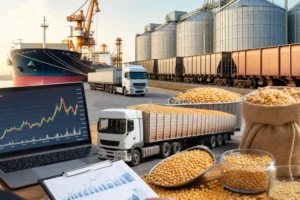
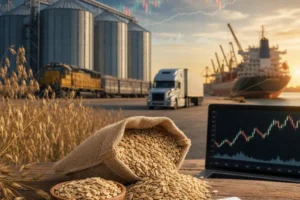
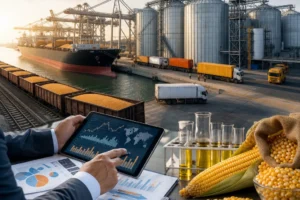
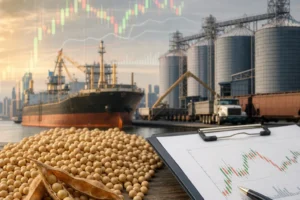
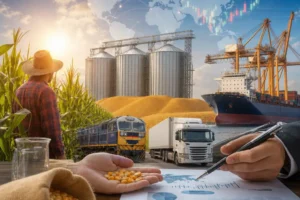

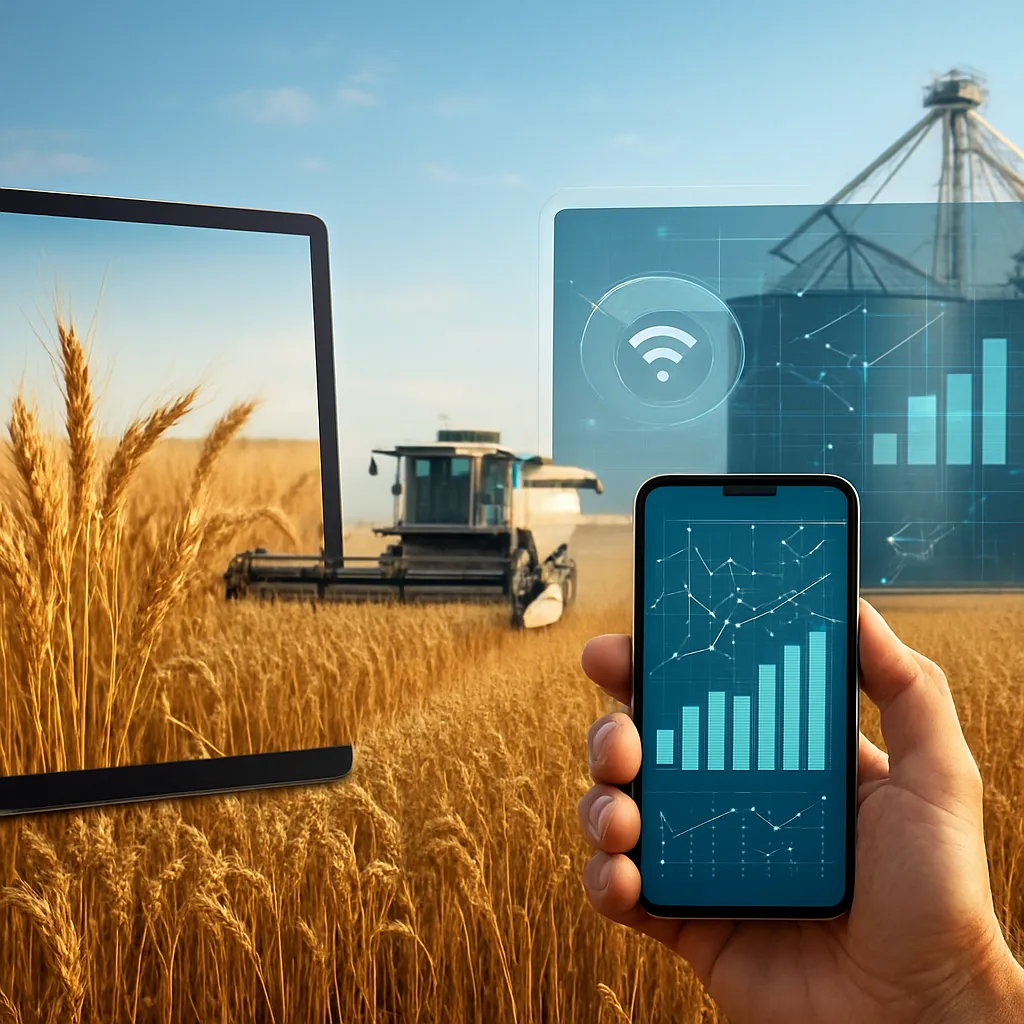
The convergence of cutting-edge technologies is redefining the grain industry from the field to the global marketplace. As producers, traders, and consumers demand higher efficiency, greater transparency, and enhanced sustainability, the integration of digital innovations into traditional agricultural practices is becoming indispensable. By merging disparate systems—ranging from remote sensing platforms to blockchain‐enabled ledgers—stakeholders are forging a resilient ecosystem that responds swiftly to market shifts and environmental challenges. This article explores how technological convergence is revolutionizing grain production, supply chains, and trading mechanisms, laying the groundwork for a more connected and intelligent future.
Bridging the Digital and Physical Domains
At the heart of this transformation lies the seamless interaction between physical assets and digital intelligence. Deploying networks of IoT devices across vast grain fields allows real‐time monitoring of moisture, temperature, and soil nutrient levels. Farmers can now leverage precision farming strategies to apply water and fertilizers only where needed, reducing waste and optimizing yields. Meanwhile, autonomous robots equipped with advanced sensors navigate fields to perform planting, weeding, and harvesting tasks with unprecedented accuracy.
Key components include:
- Smart sensors: Deployed in granaries and silos to track grain quality and detect spoilage before it escalates into losses.
- Drones: Used for aerial surveys, pest detection, and early warning of crop diseases through multispectral imaging.
- Satellite imagery: Provides macro‐scale insights into regional crop health, enabling cooperative management among producers.
By bridging the physical and digital realms, producers gain a continuous feedback loop that informs better decision‐making, ultimately enhancing productivity while curbing operational costs. The result is a grainscape where manual guesswork gives way to data‐driven precision.
Innovations in Data‐Driven Agriculture
Data is the new fertilizer—vital for cultivating insights that drive yield improvements and sustainability. Advanced data analytics platforms ingest terabytes of historical weather data, market prices, and crop performance metrics to forecast planting schedules and targeted interventions. Integrating AI and machine learning algorithms, these systems can identify patterns invisible to the human eye, recommending optimal seed varieties or identifying high‐risk zones for pest infestations.
Major trends include:
- Predictive modeling: Anticipates supply‐demand imbalances months in advance, allowing traders to hedge effectively against price volatility.
- Decision support systems: Offer prescriptive guidance on crop rotation, fertilizer application, and irrigation to maximize resource efficiency.
- Edge computing: Processes data locally on smart devices to reduce latency, ensuring rapid responses to field conditions.
Moreover, collaborative platforms enable farmers to share anonymized data, fueling industry‐wide intelligence that benefits even small‐scale operators. Through open interfaces and standardized protocols, agribusinesses can integrate disparate data streams into unified dashboards—driving transparency, enhancing accountability, and fostering continuous improvement.
Transforming Trade and Distribution Networks
The globalization of grain markets introduces complexities in sourcing, quality control, and contractual agreements. Here, emerging technologies are forging new pathways for trust and efficiency:
Blockchain and Traceability
Implementing blockchain ledgers transforms how grain moves from farm to fork. Each transaction—whether it’s a sale between producer and cooperative or a transfer to a shipping company—is immutably recorded, ensuring full traceability. Consumers and regulators can verify the origin, handling conditions, and certification statuses of grain consignments in real time. Smart contracts deployed on these blockchains automate payments upon fulfillment of predefined quality parameters, reducing disputes and accelerating settlement cycles.
Agile Supply Chain Management
By integrating agile supply chain methodologies with digital platforms, stakeholders can reroute shipments dynamically in response to logistical disruptions, weather events, or abrupt shifts in demand. Advanced tracking systems powered by GPS and RFID tags provide end‐to‐end visibility, alerting operators to delays or deviations. This agility minimizes spoilage risks and optimizes inventory levels, ultimately unlocking cost savings and improving service reliability.
Digital Marketplaces
Online commodity exchanges are evolving beyond simple price boards to become fully interactive ecosystems. Utilizing smart contracts and AI‐driven negotiation tools, buyers and sellers can execute trades instantly, leveraging real‐time analytics to determine fair market values. Integrated financing options embed trade credit and insurance directly into the platform, offering producers access to working capital at competitive rates. These digital marketplaces promote inclusivity, enabling smaller players to compete alongside industry giants.
Environmental and Economic Impacts
Technological convergence not only elevates operational efficiency but also contributes to environmental sustainability and economic resilience. By optimizing resource use and reducing waste, agricultural stakeholders can lower greenhouse gas emissions and conserve water resources. In parallel, the democratization of data and financial tools fosters rural development, empowering farmers with the capital and insights needed to expand their operations responsibly.
- Reduced carbon footprint through targeted input application and precision harvest scheduling.
- Enhanced food security by mitigating supply chain disruptions with predictive logistics.
- Improved profitability for smallholders through transparent pricing and embedded financing.
The combined effect of these advances instills confidence across the grain market value chain, from seed suppliers to end‐consumers, setting the stage for a more resilient agricultural economy.
Challenges and Future Directions
Despite remarkable progress, several hurdles remain. Integrating legacy systems with modern architectures poses technical and organizational challenges. Data privacy and ownership concerns can hinder widespread adoption, especially among smaller producers wary of sharing proprietary information. Additionally, regulatory frameworks must evolve to address the legal implications of smart contracts, cross–border data flows, and algorithmic decision‐making.
Looking ahead, stakeholders must collaborate to establish:
- Common data standards and interoperability protocols that bridge proprietary platforms.
- Regulatory guidelines fostering innovation while protecting consumer interests.
- Training programs to equip farmers and agronomists with digital literacy and technical skills.
By tackling these challenges, the industry can unlock the full potential of converged technologies, ensuring the grain sector remains agile, sustainable, and competitive in a rapidly changing global landscape.