







The rise of densely populated urban centers has driven a transformation in how agricultural commodities reach international markets. Urban grain terminals have emerged as pivotal nodes, streamlining the journey from farm to port. By leveraging strategic location advantages and state-of-the-art facilities, these terminals enhance export operations and contribute to global food security. This article examines the mechanisms through which urban grain terminals elevate efficiency across the supply chain, focusing on infrastructure integration, advanced logistics, cutting-edge technology, and resilient sustainability practices.
Infrastructure Integration and Strategic Connectivity
Optimizing Linkages Between Fields and Ports
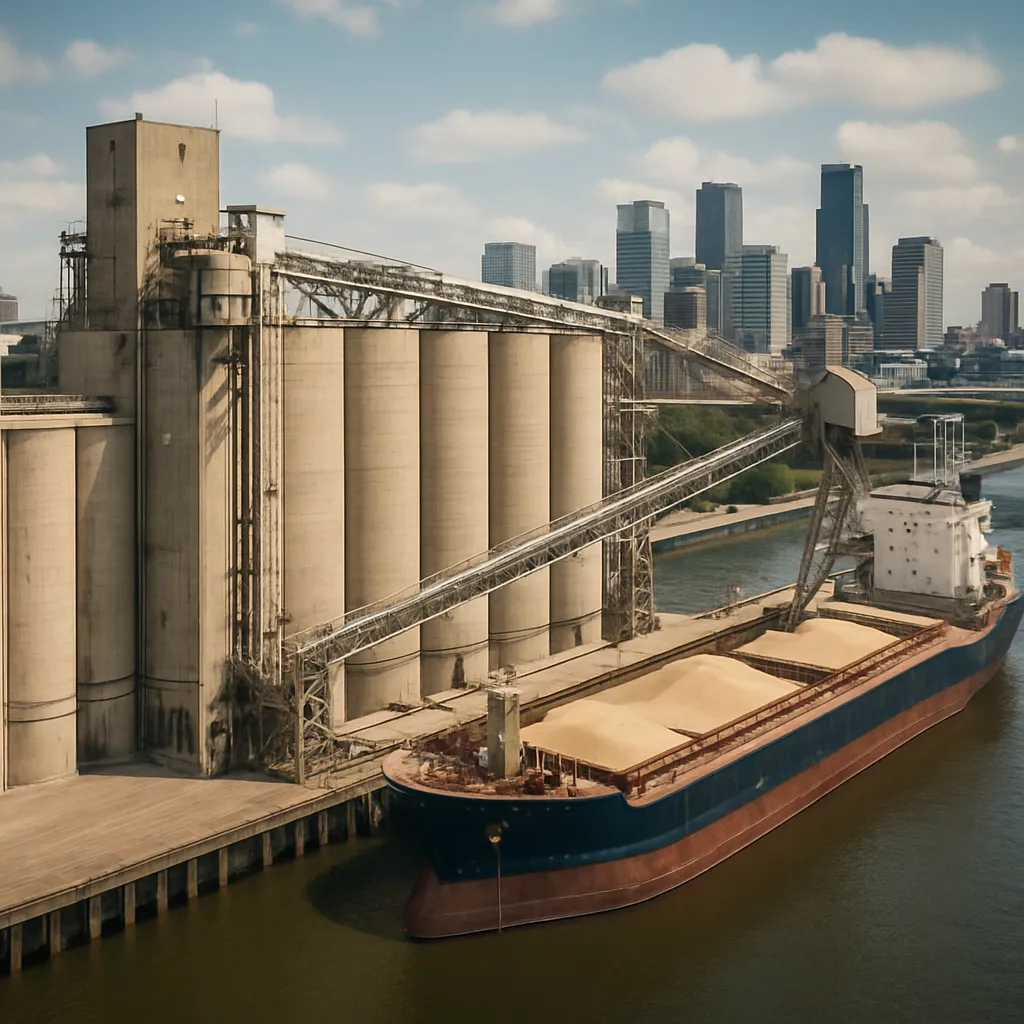
Urban grain terminals serve as critical junctures where road, rail, and waterborne transport converge. By situating facilities closer to city perimeters or alongside navigable waterways, stakeholders minimize transit times and handling complexity. The connectivity between highways, rail spurs, and inland waterways reduces empty miles, cuts fuel consumption, and diminishes exposure to traffic congestion. Integrating these diverse modes fosters greater capacity to handle high-volume shipments during peak harvest seasons.
Facility Design for Maximum Throughput
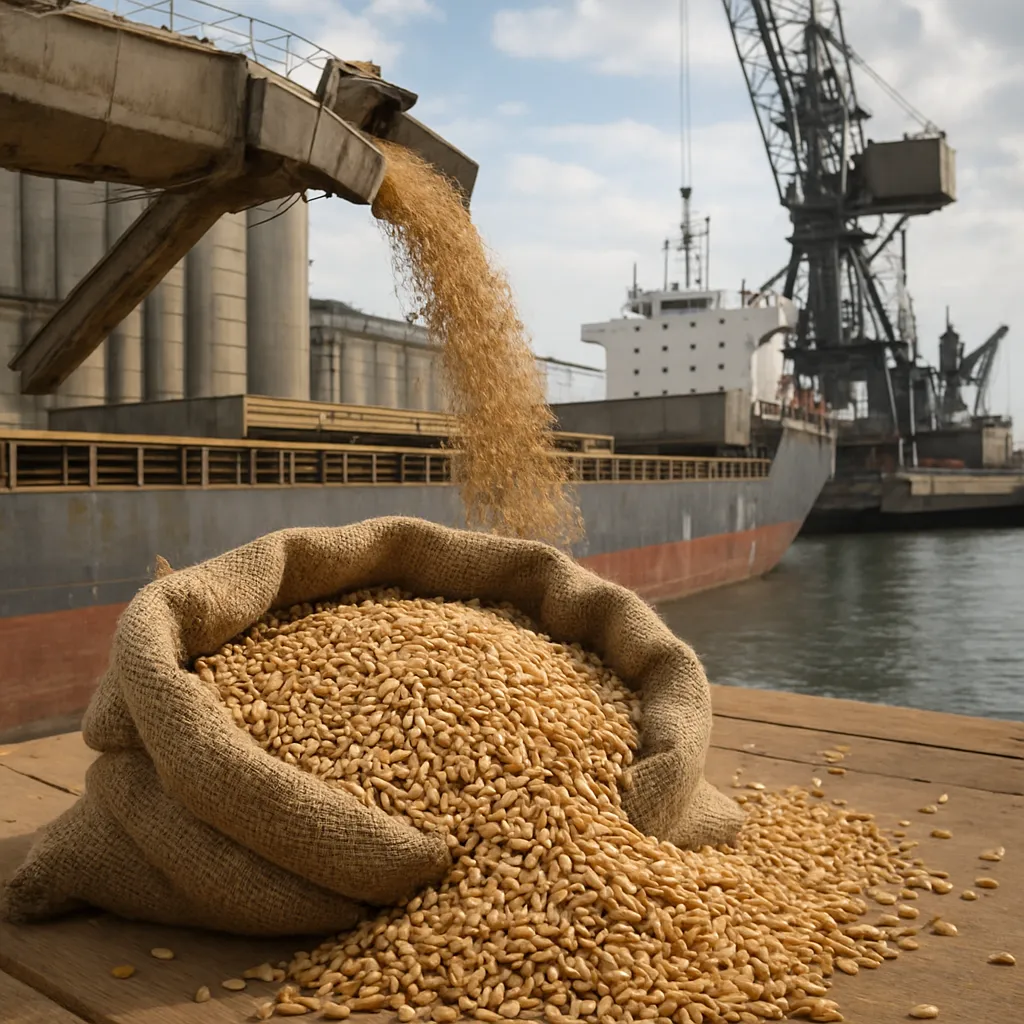
Modern urban grain terminals feature expansive storage silos, automated conveyor systems, and high-capacity ship loaders. These design elements ensure continuous flow from arrival to export. The incorporation of real-time monitoring systems allows managers to track inventory levels and dispatch shipments with precision. By forecasting demand and modulating discharge rates, terminals sustain optimal throughput without bottlenecks, accommodating vessels of varying sizes, from river barges to Panamax-class ships.
Advanced Logistics and Throughput Optimization
Streamlining Bulk Material Handling
Efficient grain handling hinges on harmonizing bulk material movement. Urban terminals utilize pneumatic and mechanical conveying solutions to transfer grain between trucks, railcars, and storage units rapidly. Such versatility reduces dwell times, enhances turnaround, and supports just-in-time export schedules. Additionally, terminal operators employ specialized cleaning and grading equipment to uphold high quality standards, ensuring that only premium lots proceed to loading docks.
- Real-time data collection on truck arrivals and departures
- Dynamic slot allocation for rail loading and unloading
- Predictive maintenance schedules for critical machinery
- Coordination with port authorities to secure berthing windows
Collaborative Supply Chain Coordination
Grain exporters, brokers, truckers, and port agents must coordinate seamlessly to avoid delays. Urban terminals often integrate digital platforms that link all parties, sharing shipment status updates, documentation, and customs clearances. This interconnected approach reduces administrative overhead and accelerates decision-making, reinforcing the terminal’s role as a high-efficiency node within global logistics networks.
Technology and Digitalization Enhancing Export Processes
Automation and Remote Operations
Deploying automation in urban grain terminals brings multiple advantages. From robotic arms that sample grain quality to automated stacking cranes that manage silos, these innovations minimize manual labor and human error. Remote operation centers harness sensor data to optimize equipment loading rates and detect maintenance issues before breakdowns occur. The reduced downtime contributes to steady export volumes and improves terminal reliability.
Data Analytics for Process Optimization
Advanced analytics platforms process terabytes of operational data, delivering actionable insights. Machine-learning algorithms model throughput variations, highlighting capacity constraints and suggesting adjustments. Artificial intelligence tools forecast vessel arrival times based on weather, canal traffic, and berth availability, enabling terminals to pre-position resources. By embracing these digital innovations, urban grain terminals achieve higher utilization rates and shorter cycle times.
Blockchain and Traceability
End-to-end traceability is increasingly vital for meeting regulatory and consumer demands. Blockchain-based solutions record each transaction along the grain’s journey, from farm gate sampling to ship hatch closure. Immutable ledgers enhance transparency and expedite customs inspections, reducing compliance risks. This digital backbone fosters trust among trading partners and opens new markets for premium-grade commodities.
Sustainability and Resilience in Urban Grain Exports
Environmental Impact Mitigation
Urban terminals must navigate regulatory frameworks aimed at minimizing environmental footprints. Many facilities adopt renewable energy sources—such as solar panels and wind turbines—to power conveyors and lighting systems. Dust-suppression measures, including enclosed transfer points and misting systems, protect air quality and safeguard worker health. By implementing circular water-recycling processes, terminals reduce freshwater consumption, aligning operations with contemporary sustainability goals.
Community Engagement and Social License
Engaging with local communities is critical to securing a social license to operate. Terminals host open houses, publishing air and noise monitoring data and addressing residents’ concerns proactively. Workforce development programs hire and train local personnel for technical roles, enhancing regional economic prospects. This community-centric approach builds resilience and fosters goodwill amid the challenges of urban expansion.
Risk Management and Adaptive Capacity
Urban grain terminals face unique risks, from extreme weather events to supply chain disruptions. Robust emergency response plans, redundant power and water systems, and diversified transportation linkages help maintain continuity during crises. By simulating disaster scenarios and stress-testing operational protocols, terminal operators strengthen institutional resilience and ensure that global grain shipments remain unaffected by localized disturbances.
Future Trends and Strategic Considerations
Scaling Capacity Through Modular Expansion
Modular design principles enable terminals to scale storage and handling capacity incrementally. Prefabricated silos and mobile conveyors can be rapidly deployed to meet surges in export demand, reducing lead times for expansion. This approach aligns capital expenditures with market cycles, bolstering financial viability and operational capacity flexibility.
Integration with Smart Port Ecosystems
As ports worldwide migrate toward comprehensive digitalization, urban grain terminals must integrate seamlessly with smart port ecosystems. By interfacing with port community systems, terminals gain real-time access to vessel schedules, berth assignments, and navigational constraints. Such integration improves resource allocation, reduces demurrage costs, and amplifies the terminal’s strategic value.
Adoption of Circular Economy Practices
Looking ahead, circular economy models will shape grain handling infrastructure. Innovations in byproduct valorization—converting husks into bioenergy feedstock or pellets—offer additional revenue streams and reduce waste. Collaborative partnerships with agritech firms will foster closed-loop systems, where agricultural residues feed local biofactories, reinforcing sustainable supply chains.