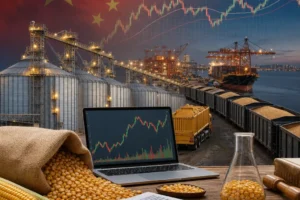
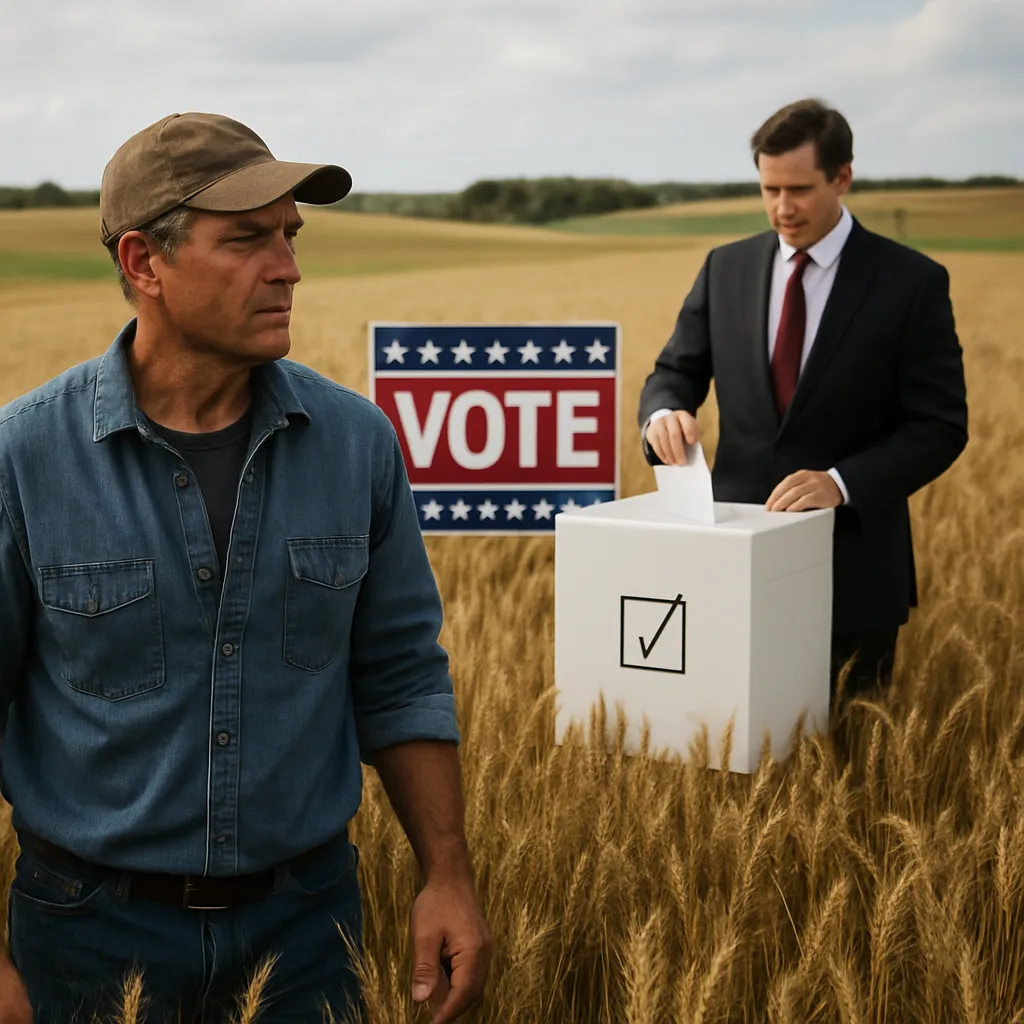
Political elections reshape the landscape of agricultural policy in ways that directly impact the grain market, from plantation to pantry. When candidates vie for votes in rural districts, they often pledge reform on tariffs, subsidy schemes, quality controls, and trade partnerships. Voters, in turn, assess these promises against their livelihood, evaluating factors such as import duties, export incentives, and environmental regulations. The interplay between electoral dynamics and policy outputs is especially pronounced in the grain sector, where small shifts in legislation can create ripple effects through commodity prices, supply chains, and global competitiveness.
Political Campaign Promises and Grain Subsidies
In many countries, rural constituencies hold significant sway over election outcomes. Candidates tailor their manifestos to address the financial stability of farmers by proposing modifications to direct payments, insurance programs, and infrastructure investments. These pledges often lead to immediate market reactions:
- Announcements of increased price supports for wheat, barley, or corn.
- Commitments to expand crop insurance coverage against droughts or floods.
- Proposals for new grain storage facilities or upgraded transport networks.
Once in office, elected officials convert campaign rhetoric into bills, affecting the availability of export credits and the level of public funding for research on pest resistance or yield improvement. The speed and scope of these changes hinge on legislative majorities and coalition negotiations, meaning that a swing of just a few seats can determine whether a subsidy hike becomes reality.
Financial Allocations and Budget Cycles
Budgets passed soon after an election reflect the incoming administration’s priorities. In a single fiscal year, reallocation can alter the flow of tens of millions of dollars to targeted grain-production regions. Ministries responsible for agriculture may see their appropriations increase, enabling them to distribute cash payments to farmers who meet specific criteria, such as adopting conservation tillage or rotating crop varieties.
Trade Agreements and Market Access
Election outcomes reverberate beyond domestic frontiers. Governments negotiating bilateral or multilateral trade deals do so under the scrutiny of constituents whose incomes depend on cross-border exchanges. A new administration might push for freer trade by reducing tariff barriers on imports of animal feed, though this risks depressing local prices. Conversely, protectionist rhetoric can lead to higher duties on foreign grain, igniting retaliatory measures.
Export Promotion vs. Protectionism
A pro-export stance broadens market access for domestic producers, often accompanied by:
- State-backed credit lines to finance shipments.
- Agreements to remove non-tariff barriers, such as phytosanitary inspections.
- Marketing campaigns showcasing national staples like durum wheat or sorghum.
Protectionist policies, on the other hand, erect barriers intended to shield local producers from global price swings, but they can strain relations with trading partners and incite disputes at institutions like the World Trade Organization.
Regulatory Shifts and Quality Standards
Political turnover often triggers a reevaluation of regulatory frameworks that govern grain safety, labeling, and environmental impact. An administration emphasizing health concerns might tighten limits on mycotoxins, driving up compliance costs. Others, keen on deregulatory measures, may ease the approval process for genetically modified seeds, altering the competitive landscape and raising questions about long-term commodity integrity.
- Enhanced traceability requirements for organic or specialty grains.
- Modified pesticide tolerance thresholds to expedite harvest schedules.
- Incentives for reduced greenhouse gas emissions during cultivation.
The Role of Lobbyists and Rural Voting Blocs
Lobby groups representing agribusiness corporations, grain cooperatives, or environmental NGOs inject significant resources into political campaigns. Their influence peaks when elections are close, and a few thousand rural ballots can sway legislative majorities. These organizations employ strategic canvassing in key districts, deploying data analytics to target likely supporters and negotiate legislative language that favors their constituents.
Farmers’ Unions and Political Leverage
Farmers’ unions mobilize members by spotlighting issues such as storage bottlenecks, import surges, or biofuel mandates. By endorsing candidates aligned with their goals, they ensure continued government backing in:
- Research funding for drought-resistant strains.
- Tax credits for renewable fuel derived from grain.
- Emergency aid during natural disasters or market crises.
Impact on Farmers’ Decision-Making and Production
Faced with policy uncertainty, producers adjust planting plans, investment strategies, and marketing decisions. A looming election can prompt farmers to defer major purchases of equipment until the new administration clarifies its stance on trade policy or environmental regulation. Meanwhile, expectations of higher subsidies may encourage expansion of acreage under cultivation.
Long-term contracts between grain elevators and farmers often include clauses tied to governmental incentives. If leaders pledge to boost bioethanol mandates, growers might allocate more land to corn. Alternatively, promises of higher wheat export quotas can shift planting toward hard red varieties prized by overseas mills. Every vote thus becomes an input factor in the agro-economic equation, as stakeholders weigh the probability of a friendly regulator occupying the ministerial office post-election.
Ultimately, the dynamic between political elections and agricultural policy is a continuous feedback loop. Voters in grain-producing regions influence policy through ballots, while the resulting legislation shapes production, market flows, and global competitiveness. Understanding this interplay proves essential for anyone engaged in the lobby for equitable rules, for farmers striving for stable returns, and for consumers seeking secure supplies of affordable grain-based staples.