The dynamics of global grain markets are shaped by intricate patterns of surpluses and shortages, creating a delicate balance between producers and consumers. Understanding the mechanisms that drive trade flows, pricing, and policy interventions is essential for stakeholders ranging from farmers and traders to policymakers and consumers. This article explores critical dimensions of global grain exchanges, examining the factors that influence trade balances, the tools available for managing imbalances, and emerging innovations that promise to reshape the industry.
Understanding Trade Balances in the Global Grain Exchange
Countries achieve different positions in international markets depending on their status as net importers or net exporters. A positive trade balances position occurs when exports of key cereals like wheat, corn, and rice exceed imports, generating foreign exchange revenue and supporting rural incomes. Conversely, nations with insufficient arable land or adverse climates often record deficits, relying on cross-border flows to secure food supplies. Evaluating these balances requires a deep dive into factors such as domestic production capacity, consumption patterns, and the relative competitiveness of local commodities on world exchanges.
Major Drivers of Supply and Demand
Domestic Production and Yield Trends
The cornerstone of any country’s standing in the grain market is its agricultural output. Advances in seed genetics, crop protection, and precision farming have steadily boosted yields in many regions. However, variability in rainfall, temperature extremes, and soil health can disrupt harvest projections. Policymakers often incentivize expansion of cultivation areas or adoption of new technologies, affecting the overall supply curve and influencing exportable surpluses.
Consumption Patterns and Dietary Shifts
Rising incomes in emerging economies drive dietary diversification, increasing demand for livestock feed and processed foods. As urban populations grow, shifting preferences toward higher-protein diets intensify pressure on feed grains like maize. This demand-side expansion can turn once-neutral markets into persistent deficit regions, necessitating elevated imports and altering global flow maps.
Policy and Geopolitical Influences
Government interventions play a pivotal role in shaping cross-border grain movements. Tariffs, export restrictions, and subsidy schemes can either smoothen or aggravate global availability. Strategic grain reserves, for instance, are often established to cushion domestic markets against external shocks, but drawdowns or build-ups in these reserves can send pricing signals that reverberate internationally. Geopolitical tensions may also lead to abrupt trade embargoes or diversion of shipments, magnifying market volatility and disrupting the supply chain.
- Export quotas aimed at stabilizing local prices
- Import tariffs to protect domestic farmers
- Food security mandates influencing stockpiling practices
- Diplomatic agreements facilitating cross-border corridors
Strategies for Managing Trade Imbalances
Both governments and private actors employ a variety of measures to mitigate the risks associated with erratic trade positions. Effective risk management often hinges on diversification of sourcing and sales, hedging through futures contracts, and use of alternative financing mechanisms.
- Hedging grain volumes via standardized commodity exchanges
- Establishing long-term offtake agreements between exporters and importers
- Deploying warehouse receipt systems to secure financing
- Leveraging trade finance guarantees to unlock capital flow
On the public side, transparent market information systems reduce uncertainty. Digital platforms that aggregate real-time data on harvest conditions, logistic bottlenecks, and price movements can help stakeholders anticipate imbalances and respond swiftly. Additionally, collaborative frameworks among regional trade blocs seek to harmonize quality standards and minimize non-tariff barriers.
Role of Technological Innovation and Digital Platforms
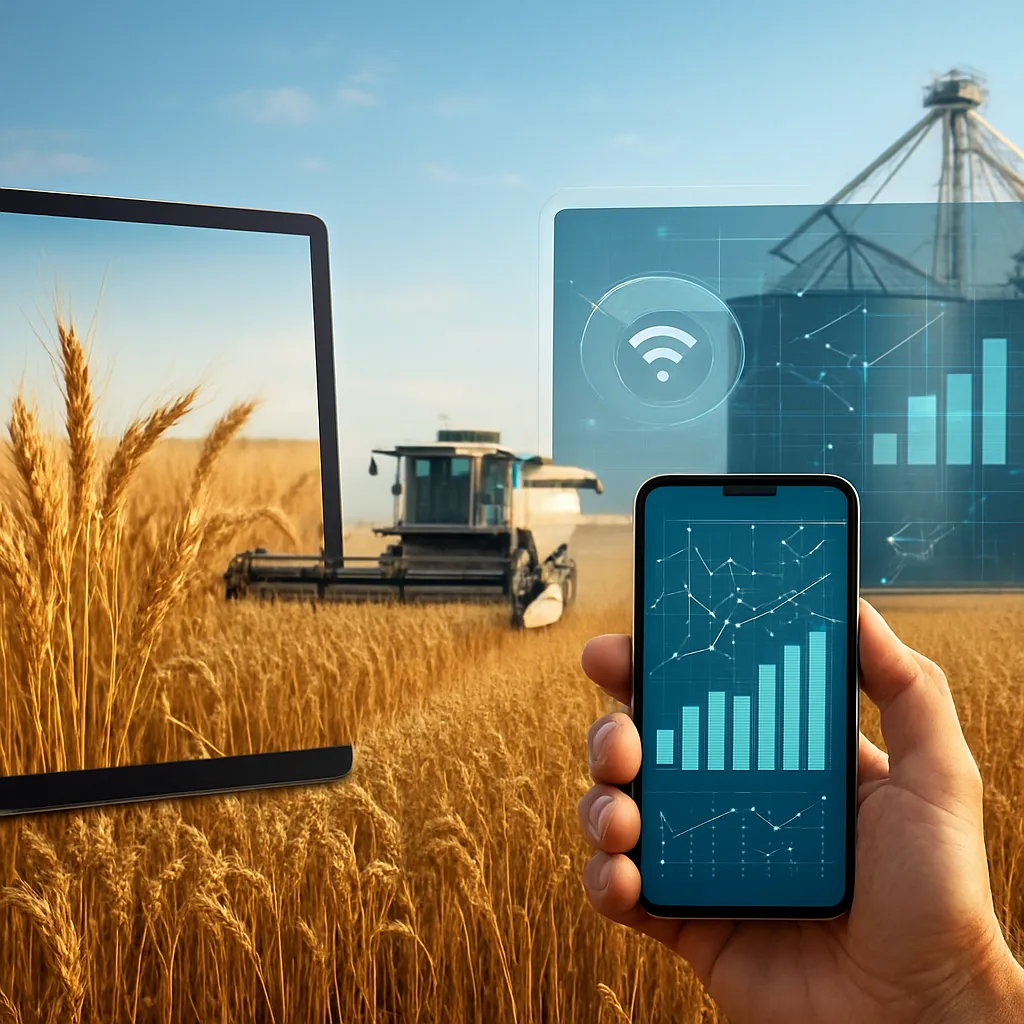
Recent years have witnessed the rise of digital platforms that facilitate direct connections between producers, traders, and end users. Blockchain-based traceability tools guarantee provenance and quality, enhancing trust in international transactions. Predictive analytics and AI-driven demand forecasting enable more accurate planning of shipments and inventory levels, reducing the frequency and severity of trade shocks.
Blockchain and Traceability
Immutable ledgers ensure that every ton of grain can be tracked from field to port, decreasing information asymmetry and enabling premium pricing for verified quality. This transparency also discourages fraud and improves compliance with phytosanitary regulations.
AI-Powered Forecasting
Machine learning models ingest satellite imagery, weather data, and market reports to predict yield outcomes and consumption trends weeks or months ahead. By integrating these forecasts with trading strategies, stakeholders can adjust positions and negotiate contracts more effectively.
Future Outlook and Emerging Challenges
Looking ahead, climate change poses a profound challenge, as shifting precipitation patterns and temperature extremes threaten to redraw the map of arable regions. Water scarcity will become an even more critical constraint, compelling innovations in irrigation and crop rotation. Trade policies must adapt to evolving environmental priorities, such as carbon footprint considerations and sustainable agriculture certifications.
Moreover, the interplay between energy markets and grain prices will intensify, as biofuel mandates compete with food uses, driving up demand for energy crops. The potential for financialization of commodities introduces both liquidity and speculative risk, underscoring the need for robust regulatory frameworks that balance market efficiency with systemic stability.
Ultimately, the capacity to navigate complex geopolitical landscapes, harness advanced technologies, and foster collaborative trade partnerships will determine which nations flourish as net exporters and which adapt as import-reliant consumers in the evolving global grain ecosystem.