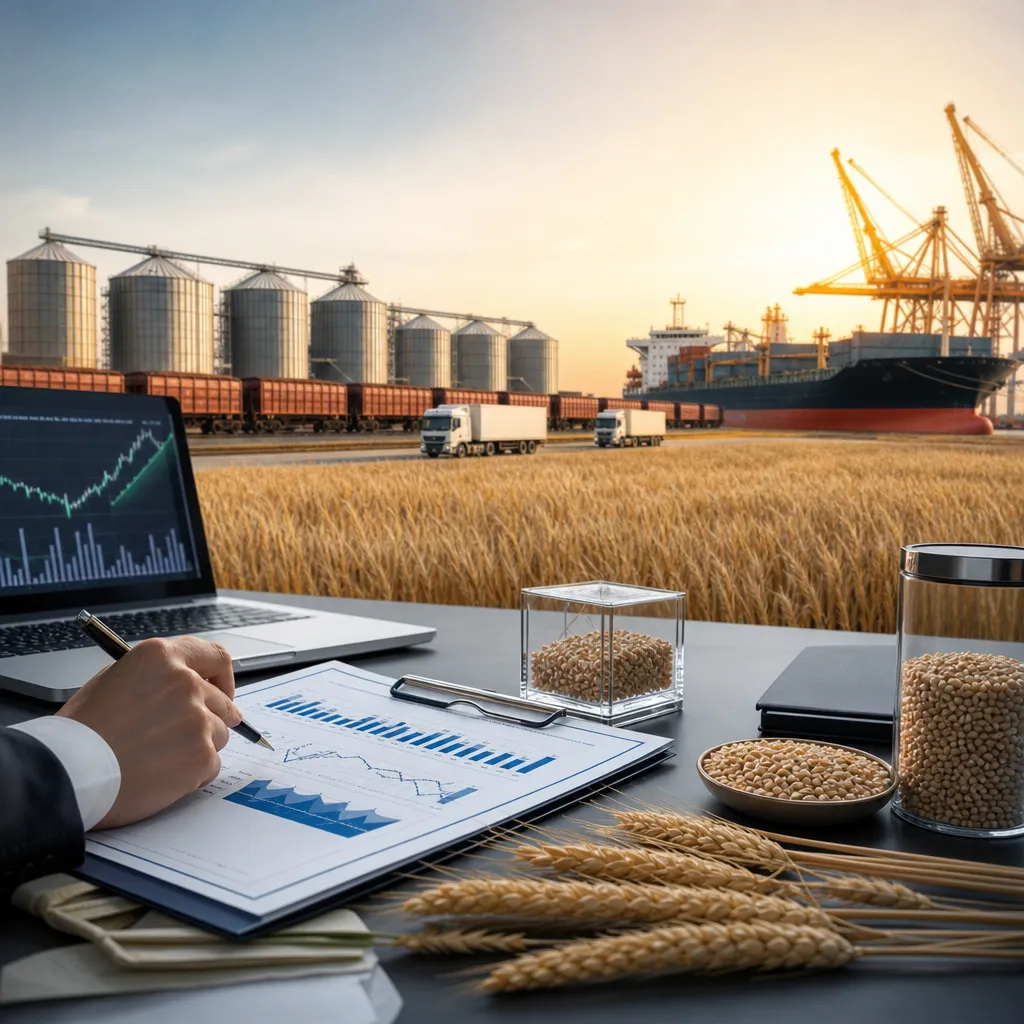
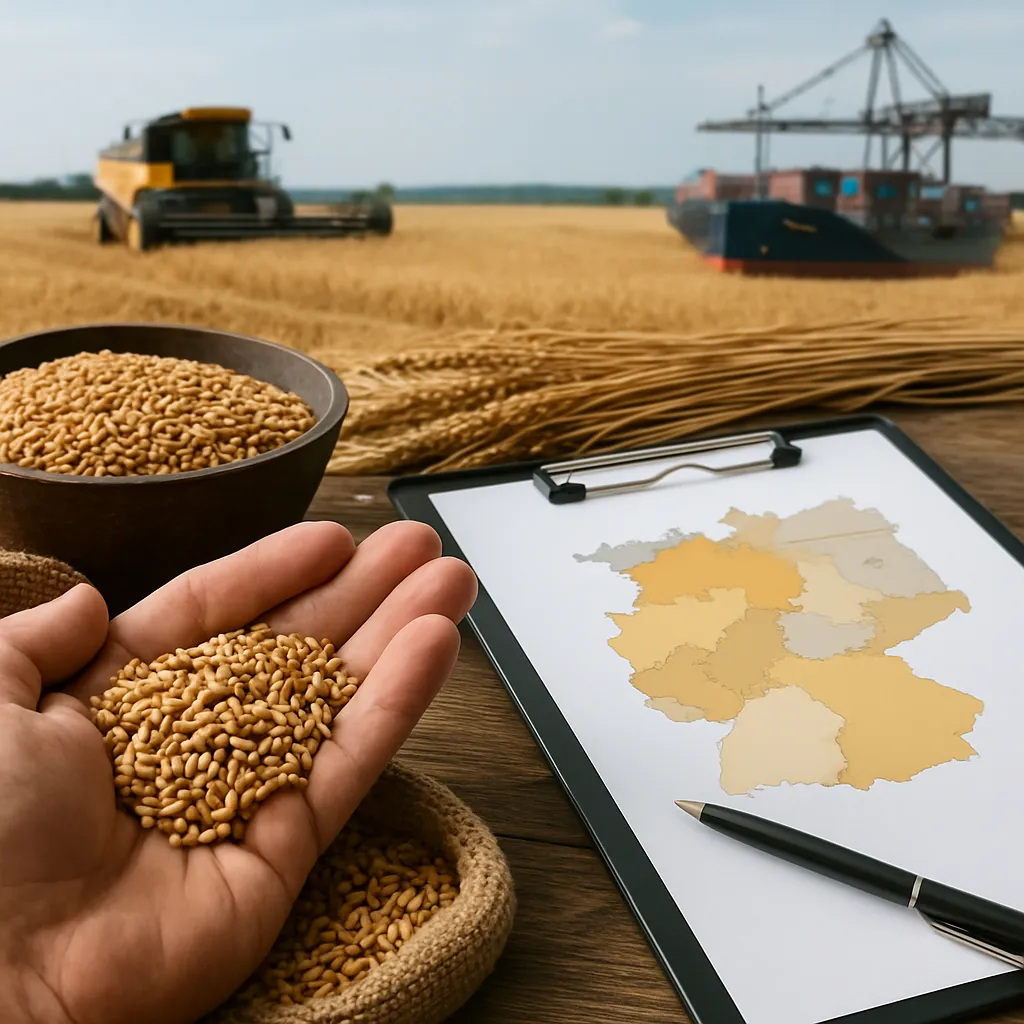
The interdependence of regional grain markets shapes agricultural production, trade balances, and food security around the world. A deeper examination of the mechanisms that drive market integration reveals how price signals travel across borders, how supply shocks reverberate across production zones, and how strategic decisions by producers influence consumer costs. By analyzing patterns of trade, evaluating price transmission models, and exploring the roles of global governance, this article sheds light on the complex web linking farm fields to dinner tables.
Cross-Regional Trade and Connectivity
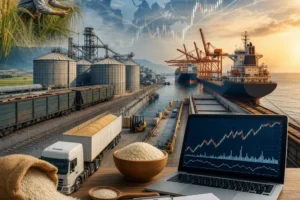
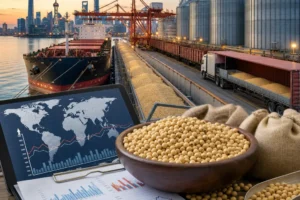
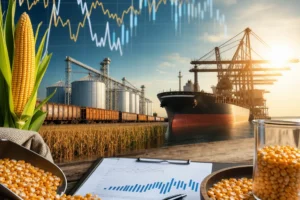
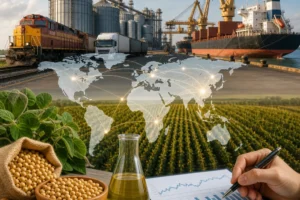
Grains such as wheat, maize, and rice are transported thousands of miles from surplus regions to deficit areas, demanding robust shipping routes and storage facilities. The evolution of port networks and inland terminals has enhanced connectivity between the Americas, Europe, Asia, and Africa. For example, grain exported from the Black Sea basin often passes through Mediterranean ports before reaching North Africa, while Midwestern corn travels via Gulf Coast terminals to serve Asian feed mills.
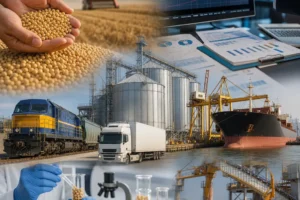
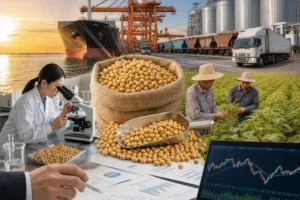
Transport corridors depend on multimodal solutions that combine rail, road, and maritime links. Efficient logistics operations reduce time in transit and limit spoilage, which is essential for perishables like malting barley or specialty maize. Investments in silos, refrigerated containers, and intermodal hubs have lowered operational costs, enabling traders to arbitrage price differentials between markets separated by long distances.
Meanwhile, digital platforms and blockchain tracking systems provide real-time visibility of shipments, improving forecast accuracy and reducing uncertainties. These innovations foster cross-border partnerships and encourage smaller growers to participate in export chains, thereby widening the pool of suppliers and stabilizing regional stocks.
Price Transmission and Market Efficiency
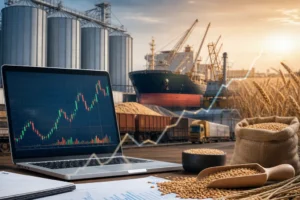
The extent to which local prices mirror international benchmarks is a key indicator of market efficiency. Economists employ econometric tools such as cointegration tests and error-correction models to quantify how quickly price shocks in one region affect another. A high degree of cointegration suggests that arbitrage costs are low and that participants can exploit price gaps effectively.
However, excessive volatility in global commodity markets can impede smooth price transmission. Events like extreme weather, export bans, or major currency swings trigger rapid adjustments in futures markets, causing divergence between spot and forward prices. Traders hedge using options and forward contracts, but smaller actors in developing nations often lack access to sophisticated risk management instruments, which exacerbates local price fluctuations.
Key Drivers of Market Integration
- Trade Agreements and Tariff Reductions
- Digital Trade Platforms and Data Sharing
- Upgraded Transport and Storage Facilities
- Quality Standards and Certification Schemes
- Risk Management Tools and Insurance Products
Transparent regulation and high levels of transparency in trade policies also play a vital role. When governments publish timely data on export quotas, domestic stock levels, and sanitary measures, market participants can adjust their positions rapidly, minimizing distortions caused by unexpected policy shifts.
Infrastructure, Policy, and Risk Management
Public and private investments in infrastructure underlie any sustainable improvement in grain market integration. Rural road networks, rail spur lines, and grain elevators reduce the cost of moving cereals from fields to ports. In regions with challenging geography—such as the Andes or remote parts of Central Asia—investment in cold storage and processing facilities can be a game-changer for local economies.
Government policy frameworks also determine the pace and depth of integration. Subsidies for seed and fertilizer can boost yields, enabling exports, but they must be carefully calibrated to avoid distorting world prices. Export restrictions—often imposed to safeguard domestic supply—can disrupt established trade routes and breed mistrust among trading partners, hampering long-term consolidation of markets.
Climate change and resource constraints highlight the need for agricultural sustainability in both production and logistics. Innovative practices like precision irrigation, reduced-tillage farming, and solar-powered storage facilities contribute to lower emissions and greater resilience to environmental shocks. As grain markets become more interconnected, adopting sustainable methods at the farm level ensures that growing global demand is met without compromising future productivity.