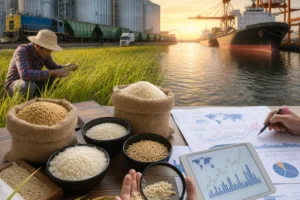
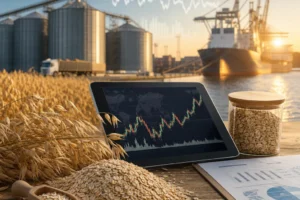
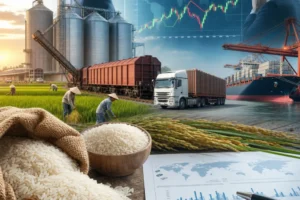
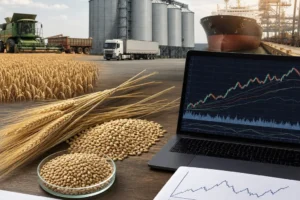
Food security depends on a delicate balance between production, distribution, and storage of staple crops. Among these, grain plays a pivotal role in feeding billions worldwide. Effective management of grains in the supply chain and in local reserves can bolster community resilience against disruptions, from extreme weather events to market fluctuations. This article explores the multifaceted relationship between food security and grain storage, examining technological advances, economic drivers, and practical challenges that define the modern market for cereals.
The Importance of Grain Storage Infrastructure
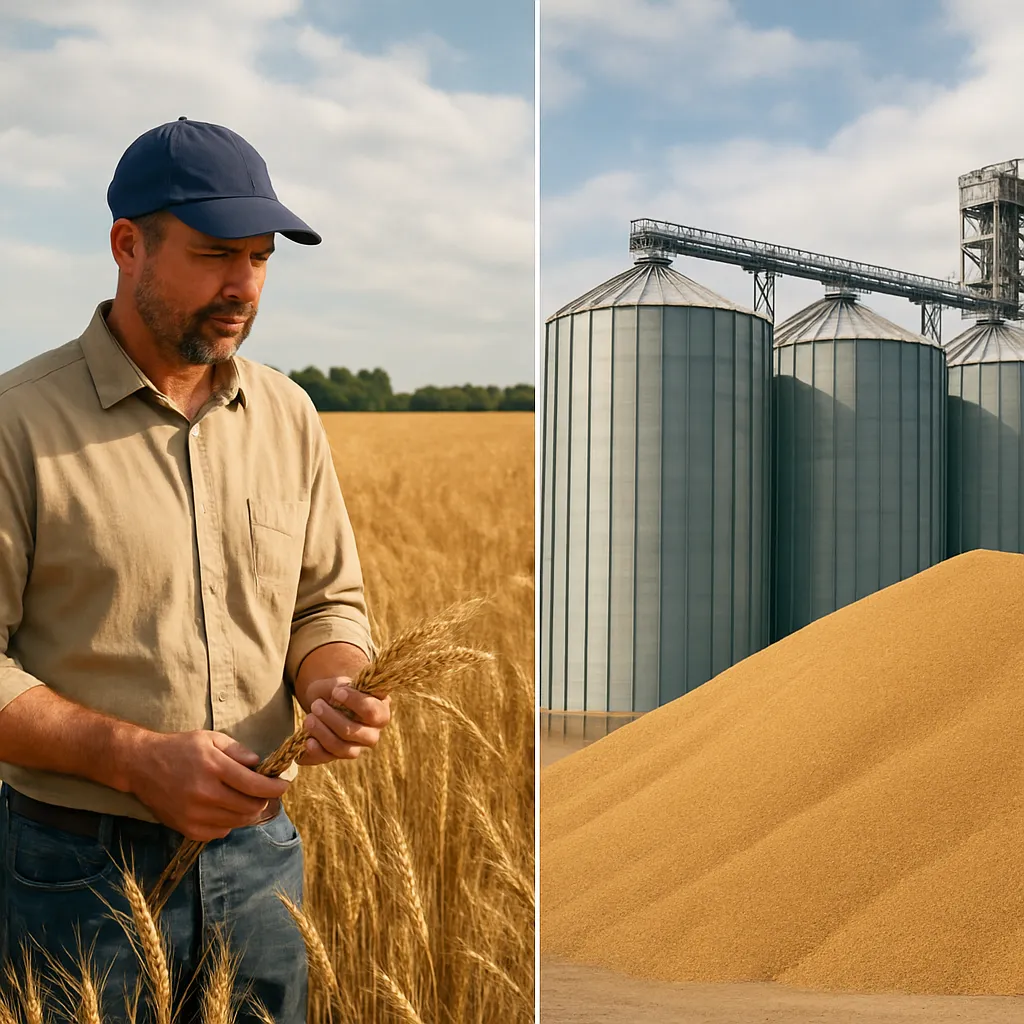
Well-maintained storage facilities are the backbone of agricultural systems. Without reliable infrastructure, harvests can spoil, lose nutritional value, or become infested by pests and pathogens. The following aspects underscore why storage matters:
- Preservation of quality: Proper control of temperature and moisture prevents fungal growth and mycotoxin accumulation, ensuring kernels remain safe for consumption.
- Buffer against seasonal variability: Storage extends availability of grains beyond harvest season, stabilizing supply and helping communities avoid price spikes.
- Risk mitigation: Safeguarding a portion of the harvest reduces vulnerability to natural disasters and political instability by maintaining strategic reserves.
Design and Scale
Storage structures range from small-scale on-farm silos to enormous government-run granaries. Key design considerations include:
- Capacity planning aligned with local production volumes.
- Ventilation systems to regulate air exchange and mitigate heat buildup.
- Material selection—steel, concrete, or hybrid—to optimize durability and cost.
Operational Best Practices
Routine inspection, aeration, and fumigation protocols enhance storage outcomes. Integrating digital sensors for real-time monitoring of temperature and humidity can alert operators to adverse conditions before spoilage occurs. Such proactive measures have been shown to improve overall efficiency in inventory management by up to 20% in some pilot programs.
Technological Innovations in Grain Preservation
Emerging technologies are reshaping how grains are stored and tracked across the supply chain. Innovations fall into two broad categories: physical preservation methods and digital traceability solutions.
Physical Preservation
- Hermetic storage bags: By creating oxygen-deprived conditions, these bags protect against insect pests without the use of chemical fumigants.
- Controlled atmosphere storage: Adjusting gas compositions, such as reducing oxygen and increasing carbon dioxide, suppresses pest activity for extended periods.
- Biocontrol agents: Deployment of beneficial microbes to outcompete spoilage organisms offers a sustainable alternative to synthetic treatments.
Digital Traceability
Blockchain-based platforms and IoT sensors enable stakeholders to monitor grain from farm to table. This level of transparency ensures compliance with quality standards and builds consumer trust. Key features include:
- Real-time condition reporting via wireless sensors.
- Immutable ledgers to track ownership transfers and verify origin.
- Predictive analytics to forecast spoilage risk and optimize distribution schedules.
Adoption of these technologies can lead to a more sustainable and equitable market by reducing waste and unlocking premium prices for high-quality produce.
Economic Impacts and Market Dynamics
Grain storage not only influences food security but also drives broader economic outcomes. Well-managed reserves create price stability, support trade, and encourage investment in rural areas.
Price Stabilization Mechanisms
Government-held strategic reserves can be released during shortages to lower prices, or conversely, stockpiled when market prices are depressed to protect farmer incomes. This practice smooths out extreme volatility and helps both producers and consumers plan ahead.
Access to Credit
Stored grains can serve as collateral for financing. Farmers who demonstrate sound inventory practices often gain better loan terms, enabling them to invest in seeds, fertilizer, or equipment. Credit access enhances production capacity and empowers smallholders to participate more fully in local and export markets.
Challenges and Future Directions
Despite clear benefits, grain storage initiatives face obstacles at multiple levels:
- High upfront costs: Building modern silos and purchasing monitoring equipment requires capital that many smallholders lack.
- Skill gaps: Effective management demands trained personnel to conduct inspections, calibrate sensors, and interpret data.
- Regulatory hurdles: Standards for quality, safety, and trading vary across regions, complicating cross-border commerce.
Building Local Capacity
Training programs and cooperative models can bridge skill gaps by pooling resources and sharing best practices. Public–private partnerships that underwrite training workshops and subsidize equipment help bring advanced storage solutions within reach of marginalized communities.
Policy Recommendations
- Provide tax incentives or low-interest loans for construction of storage facilities.
- Harmonize phytosanitary regulations to facilitate regional grain trade.
- Support research into low-cost, scalable preservation technologies that are adaptable to diverse climatic conditions.
In the quest to ensure global food security, strengthening grain storage systems represents a strategic priority. By combining robust infrastructure, cutting-edge innovation, and sound economic policies, stakeholders can reduce losses, stabilize markets, and guarantee access to nutritious food for generations to come.