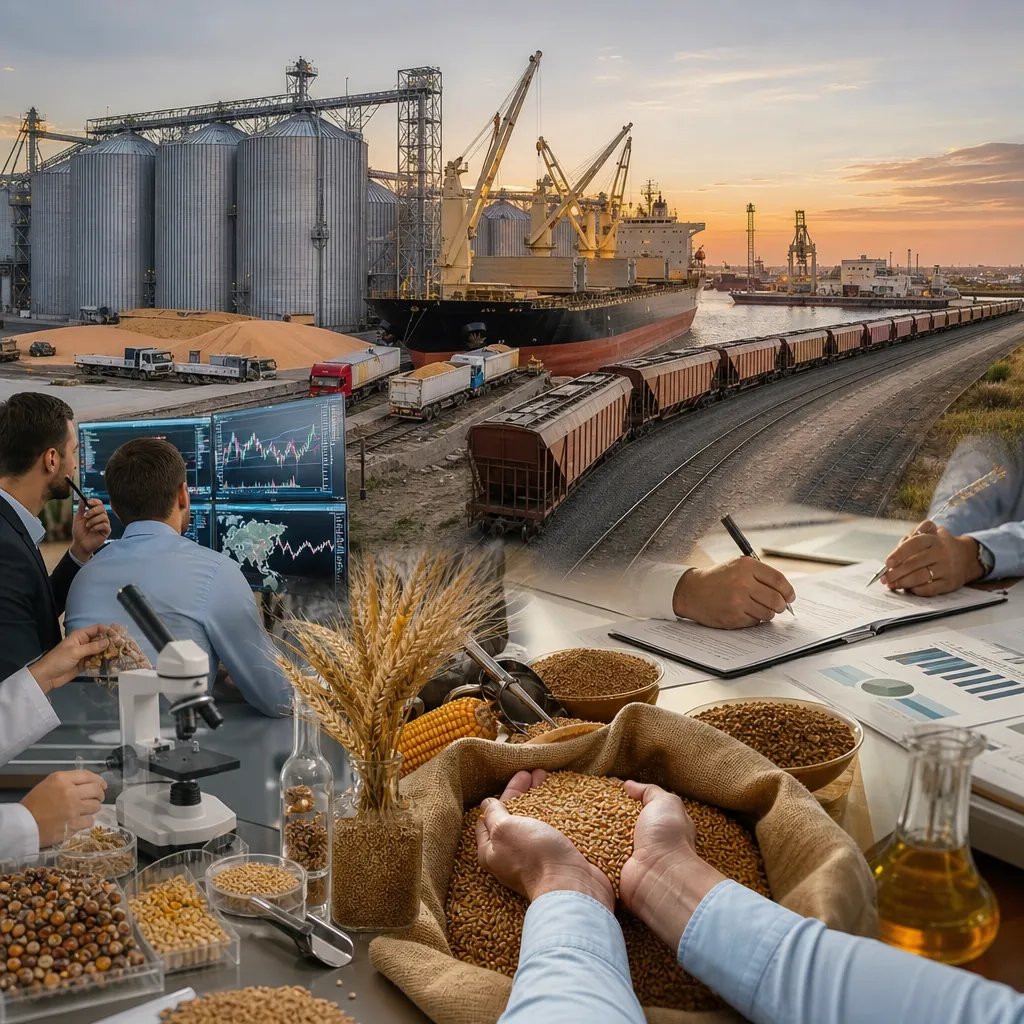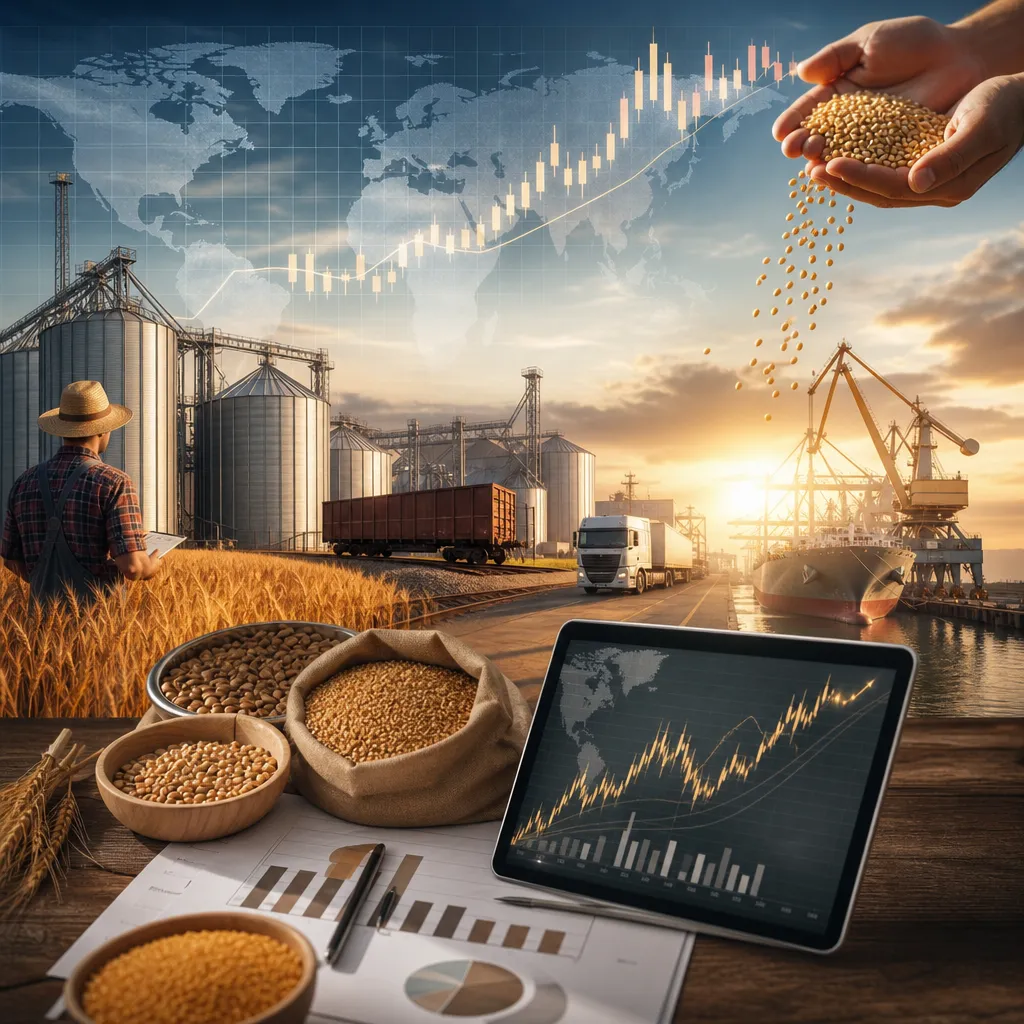
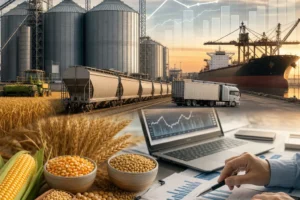
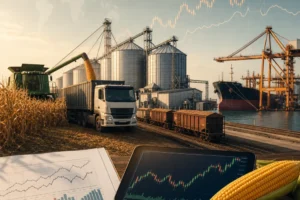
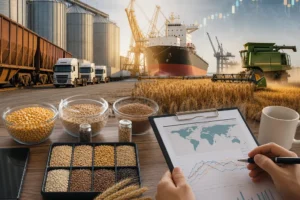
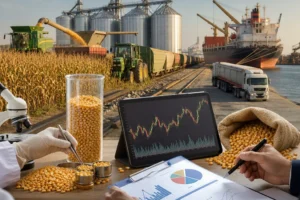
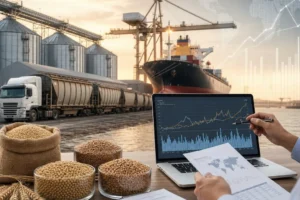
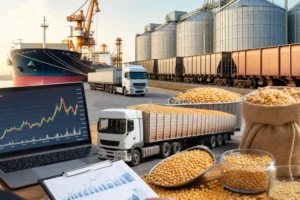
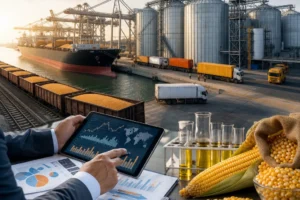
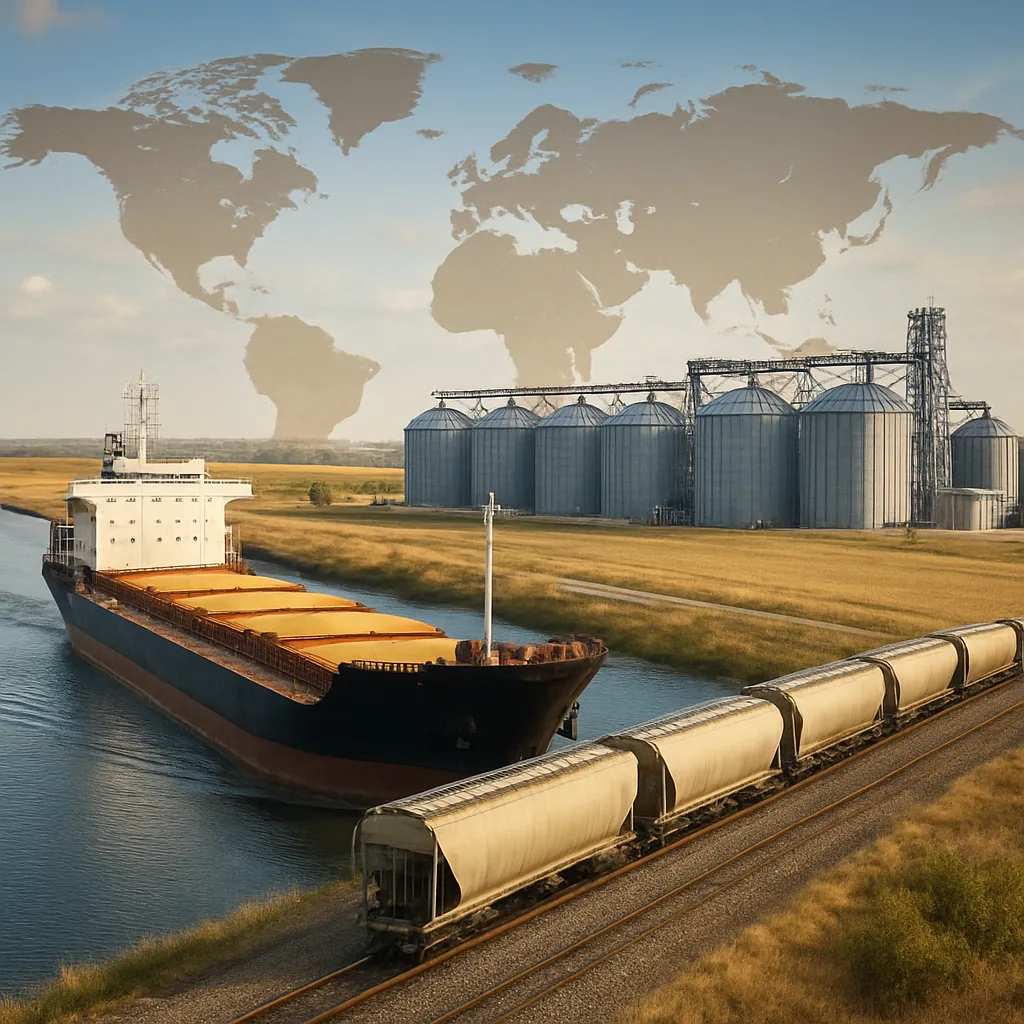
Global grain mobility hinges on the development of robust corridors that connect producers, markets, and consumers across continents. By optimizing logistics, integrating advanced technologies, and fostering cooperative partnerships, these arteries of trade transform local harvests into global staples. This exploration delves into how modern corridors shape the grain industry, impact market dynamics, and pave the way for a more sustainable future.
Evolution of International Grain Pathways
Historically, the movement of grain was constrained by limited transportation options and fragmented regulatory regimes. The advent of railroads in the 19th century marked the first major step toward higher-volume grain flows. As maritime shipping evolved, so did the capacity to transport bulk commodities across oceans. Today’s corridors combine multiple transport modes—road, rail, river, and sea—to form integrated supply chains that span thousands of miles.
- Rail networks: High-capacity trains haul grain from inland silos to river ports, reducing reliance on trucks and lowering per-unit costs.
- River navigation: Barges traverse major waterways like the Mississippi, Danube, and Rhine, linking agricultural heartlands to seaports.
- Deep-sea shipping: Modern bulk carriers equipped with self-unloading systems expedite the transfer of grain at origin and destination terminals.
These multimodal corridors are supported by cross-border agreements that standardize documentation, harmonize sanitary and phytosanitary measures, and streamline customs procedures. Such regulatory alignment is crucial to minimize delays and protect grain quality during transit.
Efficiency Gains and Technological Innovations
Advances in digital infrastructure are revolutionizing how grain moves through corridors. Real-time monitoring, data analytics, and automation unlock unprecedented efficiency:
- IoT sensors embedded in containers and railcars track temperature, moisture, and vibration, ensuring optimal storage conditions.
- Blockchain-ledger systems provide immutable records of each shipment’s provenance, enhancing transparency and trust among stakeholders.
- AI-driven routing platforms dynamically adjust transport schedules to avoid congestion, weather disruptions, and equipment downtime.
By leveraging these tools, corridor operators can forecast demand patterns, anticipate bottlenecks, and allocate resources more effectively. The result is faster turnaround times at ports and terminals, reduced spoilage, and lower overall transport costs.
Market Dynamics and Price Stabilization
Well-functioning grain corridors play a pivotal role in global price discovery. When crop surpluses arise in one region, corridors enable swift reallocation to deficit areas, dampening price spikes. Conversely, a sudden supply shortfall downstream can trigger route adjustments upstream, mobilizing additional tonnage to stabilize markets.
- Spot markets benefit from increased liquidity as more cargoes change hands along transit routes.
- Futures exchanges see tighter spreads when corridor delays shrink, reflecting greater confidence in supply reliability.
- Trade finance facilities become more accessible when corridor performance is predictably high, as lenders can gauge risk with greater precision.
This interconnectivity not only balances regional imbalances but also fosters fairer access for emerging economies that rely on imports to meet domestic demand.
Challenges in Corridor Management
Despite numerous gains, grain corridors face several obstacles that can undermine their resilience:
- Infrastructure constraints: Aging rail lines, inadequate port capacity, and deteriorating road networks can create critical chokepoints.
- Regulatory fragmentation: Divergent customs protocols and phytosanitary standards across borders prolong clearance times.
- Climate-related disruptions: Floods, droughts, and extreme weather events threaten the physical integrity of transport routes.
To address these issues, stakeholders are investing in corridor modernization projects that emphasize resilient design. Measures include elevating flood-prone rail segments, expanding berth capacity, and establishing cross-border coordination centers for rapid decision-making during emergencies.
Case Study: The Mediterranean Grain Corridor
The Mediterranean region illustrates how multilateral cooperation can transform grain flows. Key elements include:
- Strategic port upgrades in Valencia, Piraeus, and Alexandria, featuring high-speed unloaders and automated storage facilities.
- Customized rail spurs linking inland silos in France, Italy, and Spain directly to maritime terminals.
- A unified digital dashboard co-managed by participating countries, offering end-to-end visibility of shipments.
Since its inception, throughput along this corridor has increased by over 30%, with average transit times falling by 15%. Import-dependent nations in North Africa have enjoyed more dependable supplies, while European exporters have tapped new markets with fewer logistical hurdles.
Emerging Trends and Future Outlook
As global grain demand is projected to grow, corridors must evolve further to maintain adequate supply levels. Key trends shaping the future include:
- Green logistics: Adoption of low-emission locomotives and cleaner bunker fuels for ships to reduce the carbon footprint of grain transport.
- Digital twin modeling: Virtual replicas of corridor networks allow scenario testing and infrastructure planning before real-world implementation.
- Public-private alliances: Collaborative frameworks that pool investments, share risks, and align corridor development with national food security goals.
Through continued innovation and cooperation, these corridors will remain arteries of global food security, ensuring that grain harvested in one hemisphere reaches hungry consumers in another with greater speed, reliability, and sustainability.