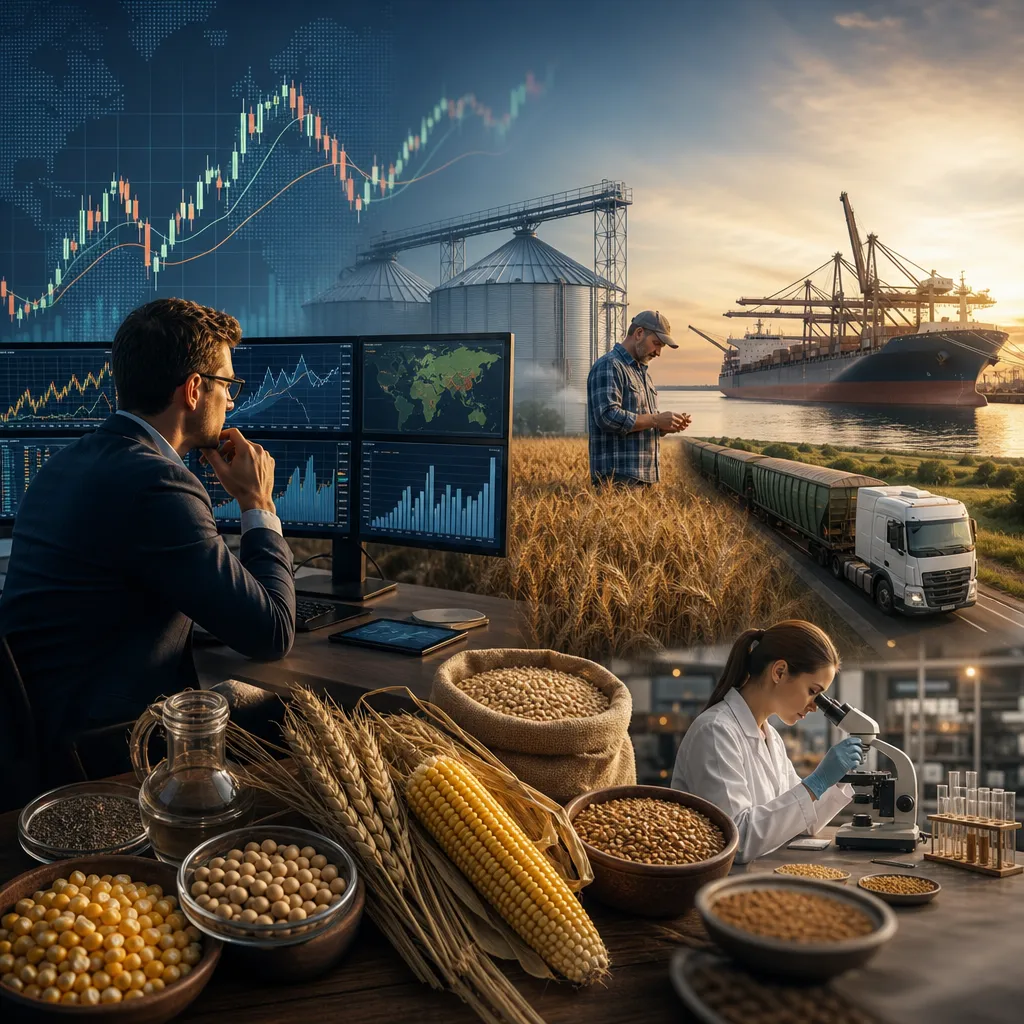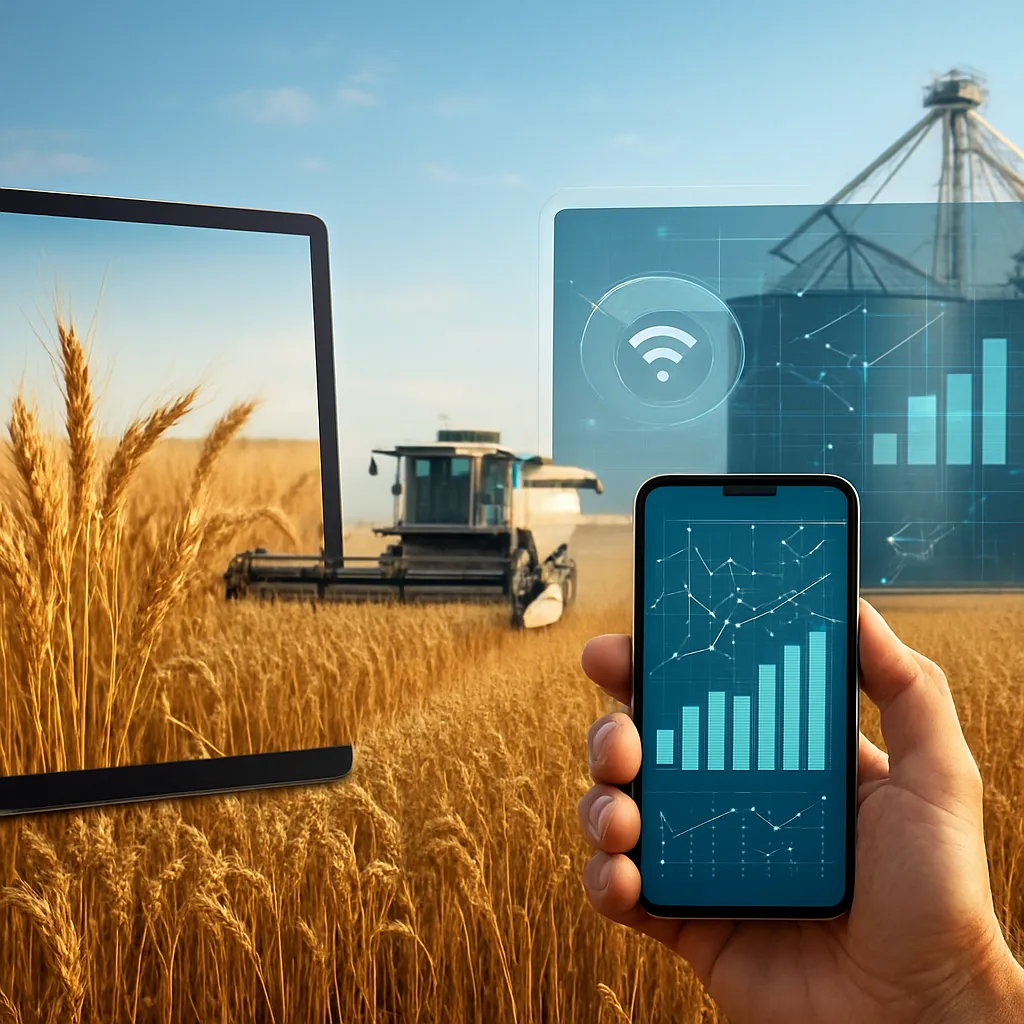


The grain industry is undergoing a profound transformation as AgriTech startups introduce groundbreaking solutions that are redefining how farmers, traders, and end-users interact. From digital marketplaces to cutting-edge IoT devices, these innovations are boosting efficiency, improving transparency, and fostering sustainability across the supply chain. This article explores the key trends reshaping grain commerce and highlights the most impactful technologies driving this evolution.
Digital Marketplaces and Price Transparency
Traditional grain trading often relies on intermediaries, manual price discovery, and time-consuming negotiations. AgriTech platforms are disrupting this model by offering real-time price feeds and streamlined transaction processes.
Online Grain Exchanges
- Platforms aggregate bids and offers from farmers, storage facilities, and end-buyers, enabling participants to find the best prices instantly.
- Marketplace solutions integrate logistics, insurance, and settlement, reducing friction and accelerating throughput.
- By leveraging blockchain protocols, these exchanges ensure data immutability and traceability, which builds trust among stakeholders.
Dynamic Pricing Algorithms
With access to vast amounts of market data, algorithms can adjust prices based on supply, demand, weather forecasts, and currency fluctuations. This creates a more resilient ecosystem where farmers can lock in favorable rates or hedge against adverse trends.
Advanced Analytics and Crop Monitoring
AgriTech startups are equipping producers with sophisticated tools to monitor crop health, predict yields, and optimize input use. The result is a shift toward data-driven decisions that maximize output while minimizing waste.
Remote Sensing and Drones
- Drone-based imaging captures high-resolution data on plant vigor, soil moisture, and pest infestations.
- Precision spraying systems enable targeted application of fertilizers and pesticides, reducing costs and environmental impact.
- These aerial surveys feed into machine learning models that forecast yield variations at the field and regional level.
Soil and Weather IoT Sensors
IoT sensors buried in fields measure temperature, humidity, and nutrient levels continuously. Connected to cloud analytics platforms, they trigger alerts for irrigation needs or disease risks. This constant flow of real-time data empowers farmers to intervene proactively and safeguard crop quality.
Supply Chain Optimization and Traceability
Enhancing the supply chain for grain requires coordination among growers, elevators, carriers, and processors. Startups are introducing systems that map every step of the journey from field to table.
Blockchain-Enabled Tracking
- Each batch of grain is assigned a unique digital ID, recording harvest date, location, transporter details, and storage conditions.
- Smart contracts automate payment releases upon delivery confirmation, reducing disputes and ensuring timely settlements.
- Consumers and regulators gain full visibility into the origin and handling of food products, thereby boosting food safety standards.
Logistics and Storage Intelligence
AI-powered systems optimize loading patterns in silos, predict spoilage risks, and route shipments along the most cost-effective corridors. By integrating GPS, temperature monitoring, and predictive analytics, companies can minimize losses and maintain grain quality throughout transit.
Sustainable Practices and Financial Innovations
Amid rising environmental concerns, AgriTech ventures are championing sustainability through regenerative agriculture, carbon credits, and new financing models tailored to grain growers.
Regenerative Field Management
- Cover cropping, no-till farming, and rotational grazing are tracked via satellite and on-the-ground sensors to quantify soil carbon sequestration.
- Farmers receive incentives or carbon payments when verified improvements in soil health meet predefined standards.
- These practices not only restore ecosystems but also enhance long-term yield stability and resilience to climate volatility.
Alternative Financing and Insurance
Startups offer crop insurance based on parametric triggers—such as rainfall thresholds or temperature anomalies—rather than traditional loss assessments. Smart contracts pay out automatically when sensor readings cross risk parameters.
- Microloans and digital lending platforms use farm performance data to underwrite credit, helping smallholders invest in equipment and inputs.
- By reducing paperwork and employing rapid risk modeling, these solutions lower barriers to funding for underserved producers.
- Peer-to-peer financing models connect investors interested in impact agriculture with grain farmers seeking capital.
Future Outlook and Emerging Frontiers
The horizon for grain commerce will be defined by convergence: robotics in harvesting, gene editing for crop resilience, and AI-driven market insights will complement existing innovations. As digital infrastructure expands in rural regions, more farmers will gain access to advanced tools that were once limited to large-scale operations.
- Automated harvesters and rovers will handle repetitive tasks, freeing up labor for higher-value activities.
- CRISPR-based seeds will offer enhanced drought tolerance and pest resistance, leading to more stable supply chains.
- Decentralized finance (DeFi) platforms may tokenize grain stocks, enabling fractional ownership and new hedging instruments.
- Collaborative ecosystems will emerge, where startups, cooperatives, and research institutions share data to accelerate innovation.
Through the integration of these technologies, the grain sector is poised to become more profitable, transparent, and environmentally responsible. AgriTech startups remain at the forefront of this journey, ensuring that every kernel of grain carries the promise of a smarter, more sustainable future.