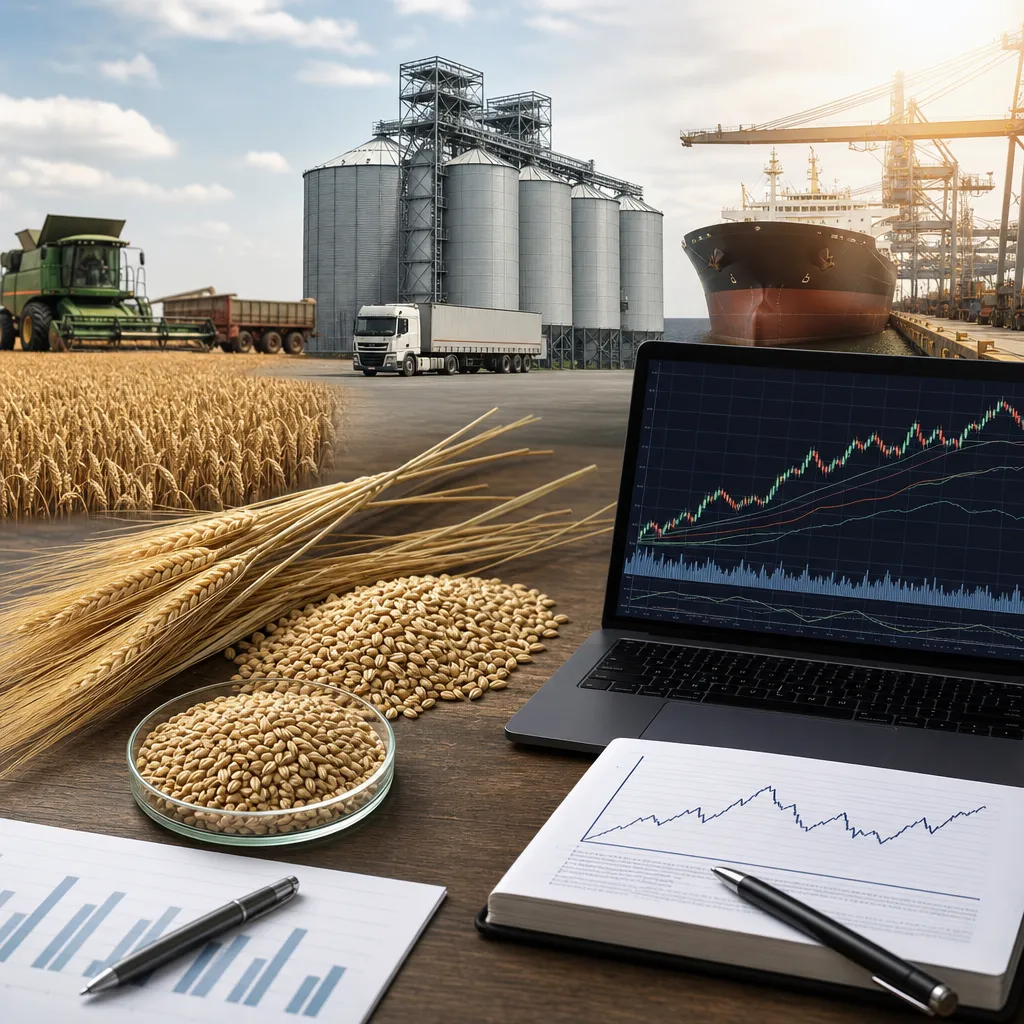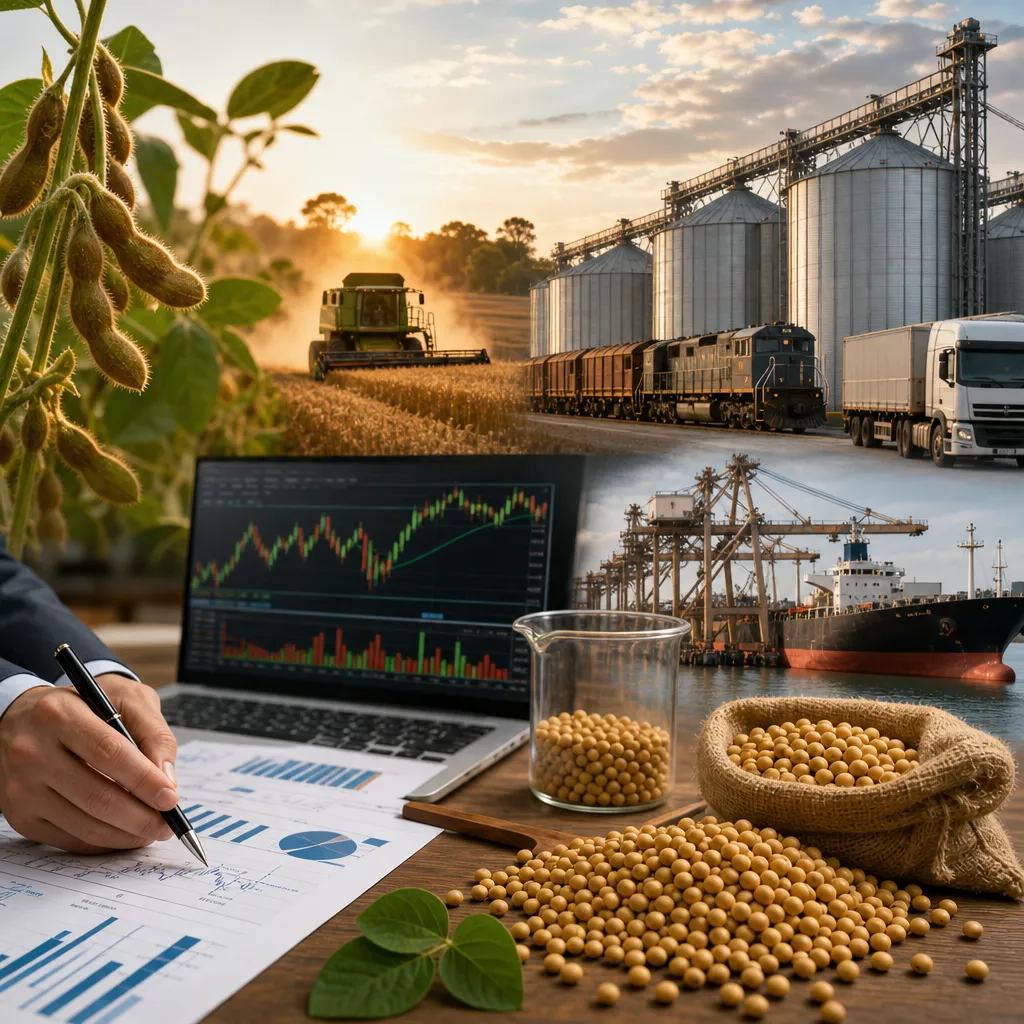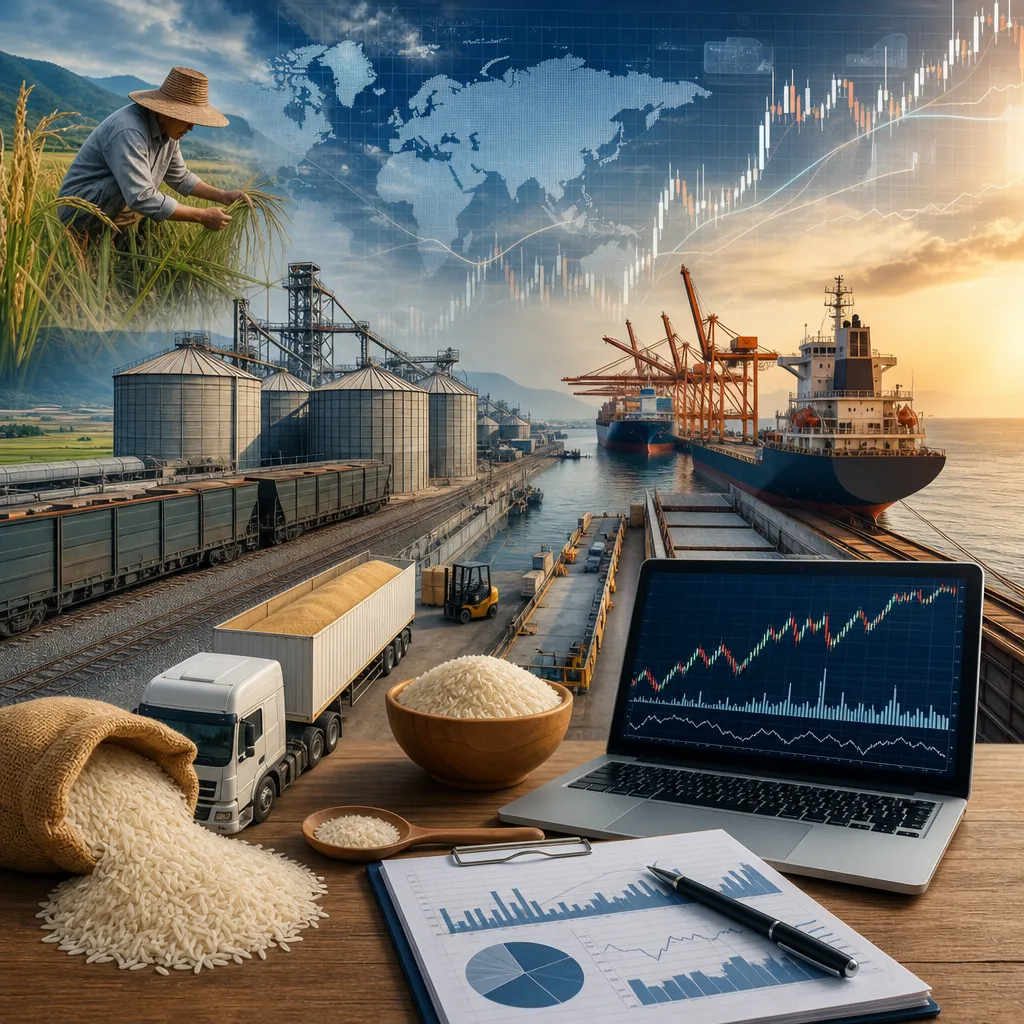
Farmers hedge grain prices to reduce the risk that corn, wheat, soybeans, rice, canola, or other grain will be worth much less by the time the crop is sold. In practice, hedging usually means using exchange-traded futures or options, or fixing part of the cash price with an elevator, cooperative, merchant, or processor before physical grain changes hands. The key point is that a hedge is not the same as selling grain outright on a screen: futures are a financial market, while the grain itself is normally sold in the physical cash market. Good hedging links the two by managing price risk while still accounting for basis, storage, quality, freight, and delivery location.
What hedging means in grain markets
A grain farmer is naturally long the crop. If prices fall before harvest or before stored grain is sold, farm revenue can drop sharply. Hedging offsets that exposure by taking another position that should gain value, or lose less, when the market falls.
The two most common approaches are:
- Futures hedge: the farmer sells futures contracts on a regulated exchange to protect against a decline in prices.
- Options hedge: the farmer buys put options, or sometimes uses structured option strategies, to create a price floor while keeping some upside.
Many farmers also use cash contracts offered by local buyers. These can include forward contracts, hedge-to-arrive contracts, basis contracts, and minimum-price contracts. These are arranged in the physical market through grain elevators, cooperatives, processors, feed mills, or merchants rather than directly on a futures exchange.
Hedging does not remove every risk. It mainly addresses price risk. Farmers still face production risk, basis risk, quality discounts, logistics problems, and counterparty risk.
Where grain prices are quoted, and why local price is different from futures
Farmers usually watch two related but different prices:
- Exchange futures prices quoted on regulated commodity exchanges.
- Local cash bids offered by nearby elevators, cooperatives, ethanol plants, crushers, mills, feed companies, or merchants.
For major global grain benchmarks, farmers and traders often use contracts traded through CME Group, including corn, soybeans, soybean meal, soybean oil, wheat contracts, oats, rough rice, and canola-related benchmarks in relevant markets outside the US. These exchange prices are widely distributed through brokerage platforms, exchange websites, market-data vendors, farm marketing software, and agricultural media.
But the price a farmer actually receives is usually the cash bid, not the futures quote. A local cash bid is commonly calculated as:
Cash price = Futures price + or – basis
Basis reflects local supply and demand, transport cost, storage pressure, export demand, processor demand, and quality. It can be stronger near a processor that needs grain immediately, or weaker in a surplus area at harvest when storage is tight.
Farmers normally check local bids through:
- elevator or cooperative bid sheets
- merchant or processor bid pages
- farm marketing apps and grain bid aggregators where available
- phone calls or texts with grain merchandisers
- local agricultural market reporting services
This distinction matters because a perfect futures trade can still produce a disappointing local sale if basis weakens or quality discounts appear.
| Market | What it quotes | Where it is used | Main limitation |
|---|---|---|---|
| Futures exchange | Standardized contract price for a future delivery month | Hedging, speculation, benchmark pricing | Not the same as a farmgate or local elevator price |
| Local cash market | Bid for physical grain at a named location | Actual farm sales and delivery decisions | Varies by basis, grade, freight, and buyer demand |
| Forward cash contract | Physical sale terms for future delivery | Pre-harvest and post-harvest marketing | Production shortfall can create delivery risk |
How a futures hedge works in practice
A classic grain hedge is straightforward. Suppose a farmer expects to harvest corn in the autumn and worries prices may fall before then. The farmer can sell corn futures for the relevant delivery month through a licensed futures broker. If cash and futures prices decline by harvest, the lower cash sale may be partly offset by a gain in the futures position.
The basic workflow is:
- Estimate expected production conservatively.
- Choose the crop month that best fits expected sale timing.
- Open and fund a futures trading account with a regulated broker.
- Sell enough contracts to hedge part of expected production.
- Monitor margin requirements and basis.
- When physical grain is sold in the cash market, buy back the futures position.
Each futures contract represents a standardized quantity and quality at approved delivery locations. Most farmers do not intend to deliver grain to the exchange delivery system. They use the contract financially and then offset it before expiry, while separately selling physical grain to a local buyer.
The main operational issue is margin. Futures are marked to market every day. If the market rises after a farmer sells futures, the hedge may be fundamentally doing its job, but the brokerage account can still require additional funds. That cash-flow pressure is one reason some farmers prefer elevators or cooperatives to manage the hedge through cash contracts instead of using their own futures account.
How options are used to create a price floor
Options are often used when a farmer wants downside protection without giving up all upside if prices rally. The most common example is buying a put option. A put increases in value when the market falls, helping protect revenue while allowing the farmer to benefit if cash prices improve later.
Compared with short futures, puts have an important advantage: the buyer pays a premium upfront, but typically does not face the open-ended variation margin risk of a futures short. The trade-off is cost. If prices stay firm or rise, the option may expire worthless, and the premium paid reduces net revenue.
Options are accessed through futures brokers and are traded on regulated exchanges alongside futures. Some elevators and grain merchandisers also offer contracts linked to options, such as minimum-price contracts. In those cases, the elevator or merchant typically manages the exchange side and offers the farmer a physical contract structure tied to it.
Farmers should understand:
- which futures month the option is tied to
- the strike price
- the premium cost
- when the option expires
- whether basis is fixed or still open
- what service fees or contract adjustments may apply
| Tool | How farmers use it | Main benefit | Main risk or cost |
|---|---|---|---|
| Short futures | Lock in futures component of price | Direct and liquid hedge | Margin calls and basis risk |
| Long put option | Set a floor under futures value | Keeps upside potential | Premium cost can be significant |
| Forward cash contract | Fix cash price with a local buyer | Simple and practical | Little upside if market rallies |
| Basis contract | Fix basis, leave futures open | Useful when local basis is attractive | Futures price remains exposed |
| Hedge-to-arrive contract | Fix futures, set basis later | Locks benchmark price level | Basis can still move against the seller |
Where farmers actually hedge: broker, elevator, cooperative, or merchant
There are two broad ways to hedge.
1. Through a futures broker
This is the direct exchange route. The farmer opens an account with a brokerage firm that offers access to the relevant commodity exchange. The broker provides order entry, statements, margin management, and market access. This route gives flexibility, but it requires stronger understanding of contract months, margin, rolling positions, and discipline.
2. Through a physical grain buyer
Many farmers prefer to hedge indirectly through:
- grain elevators
- agricultural cooperatives
- ethanol plants
- soybean crushers
- feed mills
- flour mills
- grain merchants and exporters
These firms buy physical grain and often offer pricing tools tied to futures. The farmer usually does not need a personal futures account because the buyer manages the exchange exposure internally. This can simplify administration, but the farmer must read the contract carefully: service charges, delivery windows, rolling terms, storage charges, and cancellation rules vary by buyer.
Either route can be valid. The right choice depends on crop size, financial capacity, storage system, marketing skill, and tolerance for operational complexity.
Basis, storage, and logistics: the part of hedging many people underestimate
Futures protect against broad market moves, but basis often decides whether the final outcome is good or disappointing. Basis is local and physical. It changes with harvest pressure, export flow, rail or barge congestion, truck availability, processor demand, and on-farm storage capacity.
A farmer with storage may hedge futures at harvest, keep grain in the bin, and wait for a basis improvement later. That can work well, but only if storage economics are favorable. The farmer must compare expected basis improvement against:
- interest cost on unsold inventory
- bin ownership or commercial storage charges
- aeration and drying costs
- shrink and spoilage risk
- quality deterioration
- freight changes
Physical grain sales also depend on contract details. Before committing grain, farmers normally confirm:
- delivery location
- grade and quality standards
- moisture and damage limits
- protein, oil, test weight, or other crop-specific factors
- freight responsibility
- inspection and weighing method
- payment timing
- dispute procedures
For export-oriented grain, basis can be influenced by port demand and vessel loading schedules. In inland markets, processor crush margins, feed demand, and transport bottlenecks may matter more than headline futures prices.
Reports and data farmers use to hedge better
Effective hedging depends on reliable information. Farmers, merchandisers, and analysts usually combine exchange data with government reports and local bid intelligence.
Important sources include:
- USDA WASDE: global and US balance sheets for crops such as corn, soybeans, wheat, rice, and oilseeds. Used to track supply, demand, exports, and stocks.
- USDA Crop Progress: weekly updates on planting, crop condition, and harvest pace. Important for weather-sensitive price moves.
- USDA Grain Transportation and local marketing reports: useful for understanding logistics and regional demand conditions.
- CME Group contract specifications and futures data: used to identify contract size, delivery months, tick values, and benchmark market prices.
- CFTC Commitments of Traders: shows positioning by trader category in futures and options markets, useful for broader sentiment and market structure.
- National agriculture ministries and statistical agencies: especially relevant outside the US for crop estimates, area, yields, and trade.
- FAO and customs or trade databases: useful for international demand, import dependency, and export competition.
Online market tools may include broker platforms, exchange quote services, commercial market-data providers, grain bid networks, and farm management software. These tools do different jobs. A brokerage platform is for placing futures or options trades. A grain merchant bid page is for physical sales. Farm software helps compare contracts, production, and storage positions. None of these should be assumed to replace the others.
Common hedging mistakes
The most expensive errors in grain hedging are usually practical, not theoretical.
- Hedging too much production: if yields disappoint, the farm may be overcommitted on futures or on physical forward contracts.
- Ignoring basis: a farmer may lock the board price but miss a major adverse basis move.
- Using futures without liquidity planning: margin calls can force a hedge to be closed at the worst time.
- Holding hedges past the intended marketing window: the hedge should match inventory and timing, not become a separate speculation.
- Not understanding contract terms: especially with minimum-price, basis, or hedge-to-arrive contracts offered by buyers.
- Confusing market information with execution: seeing a futures quote online is not the same as having a truck delivered, grain graded, and payment confirmed.
A sound hedge usually covers a sensible percentage of expected production, uses months that match actual sale timing, and fits the farm’s storage, cash-flow, and risk capacity.
How a farmer can build a practical hedging process
Many successful farms treat hedging as a repeatable management process rather than a one-time market call.
- Know break-even levels. Estimate production cost by crop and expected yield.
- Track both futures and basis. Keep records of local bids by buyer and season.
- Separate production risk from price risk. Avoid overcommitting bushels before the crop is secure.
- Choose the tool deliberately. Futures for direct hedging, options for a floor with upside, cash contracts for simplicity.
- Match the contract to the sale window. Do not hedge harvest grain with an unrelated calendar month without understanding spreads and rollover implications.
- Review logistics early. Confirm bin space, trucking, drying needs, and delivery access.
- Document the plan. Record target prices, hedge ratios, delivery points, and decision rules.
This disciplined approach helps farmers avoid emotional decisions when weather, crop reports, or macroeconomic shocks move the market quickly.
Where can farmers check grain prices before hedging?
Farmers usually check futures on exchange-related data services or brokerage platforms, and local cash bids on elevator, cooperative, processor, or merchant bid sheets. The most useful approach is to compare both at the same time because the hedgeable benchmark and the actual sale price are different.
Do farmers need a brokerage account to hedge grain?
Only if they want to trade futures or options directly. Farmers can also hedge through physical grain contracts offered by elevators, cooperatives, processors, or merchants, where the buyer manages the exchange side of the transaction.
What is the difference between hedging and selling grain?
Hedging manages price risk, usually through futures or options. Selling grain is a physical transaction involving actual delivery or transfer of title to a buyer. A farmer can hedge before making the final physical sale, or combine the two through a cash contract.
Can a farmer hedge and still benefit if grain prices rise?
With short futures, upside is largely given up because gains in the cash market are offset by losses in the futures hedge. With put options or some minimum-price structures, the farmer can preserve some upside while still protecting against a major decline.
What is basis risk in grain hedging?
Basis risk is the risk that the difference between local cash price and futures price changes unexpectedly. Even if the futures hedge works correctly, a weaker local basis can reduce the final cash price received.
Where do physical grain sales usually take place?
Most farm grain is sold to local elevators, cooperatives, feed mills, crushers, ethanol plants, flour mills, merchants, or exporters. The transaction is usually arranged by direct contract, bid acceptance, or ongoing commercial relationship, not by clicking a futures quote.
Are futures contracts meant for actual grain delivery by farmers?
Usually no. Exchange futures include delivery provisions, but most hedgers offset the contract before expiry and make their physical sale separately in the local cash market.
Which reports matter most for grain hedging?
For many farmers, the most watched reports are USDA WASDE, USDA Crop Progress, exchange contract information from CME Group, and CFTC Commitments of Traders. Outside the US, national crop and trade data can be equally important for local basis and import-export dynamics.
Sources
- USDA World Agricultural Supply and Demand Estimates
- CME Group Agricultural Products and Contract Specifications
- Commodity Futures Trading Commission Commitments of Traders