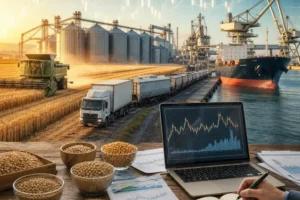
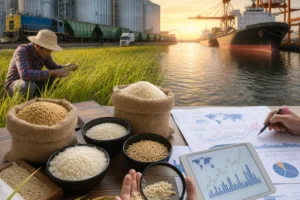
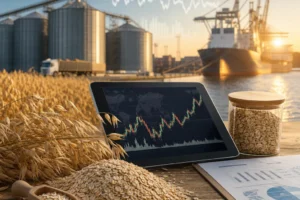
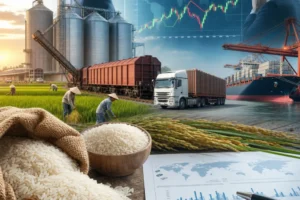
In the global agricultural arena, grain producers encounter both immense opportunity and formidable challenges when accessing international markets. Effective export strategies can transform local harvests into lucrative revenue streams, yet the journey from farmgate to foreign buyers demands substantial capital and sophisticated financial tools. This article examines how financing mechanisms underpin grain exports, empowering producers to optimize production cycles, manage risks, and ultimately bolster profitability.
Understanding Export Financing in the Grain Market
Export financing refers to a suite of financial solutions designed to facilitate cross-border trade by bridging the gap between production costs and revenue realization. For grain producers, these costs include seed procurement, cultivation, harvesting, storage, and transportation. Without adequate funding, it is difficult to sustain high-volume operations or fulfill large purchase orders from overseas clients.
Key stakeholders in the export financing ecosystem include:
- Commercial banks offering working capital loans and letters of credit.
- Export credit agencies (ECAs) that provide government-backed guarantees and insurance.
- Multilateral development banks such as the World Bank and regional institutions that fund agricultural projects.
- Private investors and specialized agricultural finance firms extending credit or pre-export financing.
- Commodity traders who may advance funds against future grain deliveries.
These participants collaborate to mitigate payment default risk, reduce financing costs, and ensure that grain shipments comply with international regulations. Innovative digital platforms now allow producers to secure funding against warehouse receipts or anticipated export proceeds, enhancing liquidity and enabling more predictable cash flows.
Principal Instruments of Export Financing for Grain Producers
Several tailored instruments support the grain supply chain from planting to export:
- Pre-export Financing: Short-term loans that cover operational expenses before shipment. Collateral often includes stored grain, which lenders value based on quality and market price.
- Letters of Credit (LCs): Issued by importer banks, LCs guarantee payment to the producer once shipping documents are presented. This instrument reduces credit risk and strengthens trust between trading partners.
- Bank Guarantees: Similar to LCs but more flexible, guarantees reassure buyers that funds are available if the seller defaults, thereby facilitating contract negotiation.
- Warehouse Receipt Financing: Grain stored in accredited warehouses serves as collateral for loans. Producers retain ownership while leveraging inventory to unlock working capital.
- Trade Credit Insurance: Protects exporters against buyer insolvency or political disruptions that hinder payment.
By diversifying funding sources and choosing the right mix of instruments, grain producers can optimize their collateral usage and minimize borrowing costs. In many emerging markets, local banks collaborate with ECAs to offer subsidized loan rates, fostering investment in advanced storage facilities and logistics infrastructure.
Export financing also supports value-added grain processing, such as milling and packaging. Access to credit enables producers to move up the value chain, capturing higher margins and reducing dependency on raw commodity prices. This strategy aligns with broader trends toward supply chain sustainability and traceability, as buyers increasingly demand compliant, responsibly sourced products.
Effects on Market Dynamics and Risk Management
Effective export financing reshapes competitive dynamics within the grain market:
- Price stabilization: With adequate funding, producers avoid rushed sales during harvest peaks, thereby reducing market gluts and price collapses.
- Inventory optimization: Financing against stored inventory allows exports to be scheduled for peak demand periods, capturing better margins.
- Supply reliability: Consistent funding ensures producers meet international delivery schedules, enhancing their reputation and attracting long-term contracts.
Risk management is central to this transformation. Producers face multiple threats:
- Volatile commodity prices driven by weather events or geopolitical tensions.
- Foreign exchange fluctuations that can erode profit margins.
- Credit risks associated with unfamiliar buyers or unstable markets.
To address these, exporters employ financial hedging, currency swaps, and insurance solutions. A mix of forward contracts for grain sales and futures trading can lock in prices, while currency hedges protect against exchange rate swings. Incorporating risk management within financing agreements often attracts better loan terms, as lenders perceive reduced default probabilities.
Collaboration among producers through cooperatives also enhances bargaining power when negotiating finance. By pooling resources, small-scale farmers can meet banks’ minimum lending thresholds and share the benefits of lower interest rates and streamlined documentation.
Challenges and Future Trends in Grain Export Financing
Despite progress, grain producers in many regions still struggle with limited access to affordable capital. Factors contributing to this include:
- Underdeveloped financial markets with high interest rates.
- Insufficient credit history for smallholder farmers.
- Regulatory hurdles that delay loan approvals.
- Lack of collateral or difficulty valuing agricultural assets.
Looking ahead, digital innovations promise to democratize export financing. Blockchain-enabled supply chain platforms can provide real-time traceability, reducing counterparty risk and enabling transaction automation. Artificial intelligence-driven credit scoring may unlock loans for underserved producers by analyzing alternative data sources, such as satellite imagery or mobile transaction records.
Furthermore, impact investors and green finance initiatives are channeling funds toward sustainable grain production. By integrating environmental, social, and governance (ESG) criteria, these investors incentivize practices that enhance soil health, conserve water, and reduce carbon footprints. Such alignment with global sustainability goals can improve access to concessionary finance and support long-term market resilience.
In summary, export financing is a cornerstone for empowering grain producers to compete globally, manage complex risks, and invest in future growth. As financial ecosystems evolve, innovative instruments and collaborative models will be critical in ensuring that farmers worldwide can unlock the full potential of their harvests.