The intersection of agricultural production and environmental regulation presents a complex set of challenges for farmers, processors, and policymakers. Grain producers must reconcile the need for high yields with evolving climate directives that aim to reduce emissions and promote sustainability. Rising regulatory demands impact operational expenses, and understanding these cost drivers is crucial for stakeholders across the market chain. This article explores how climate policy influences grain production costs, highlights emerging innovation pathways, and examines global trends that shape the grain industry.
Regulatory Frameworks and Compliance Costs
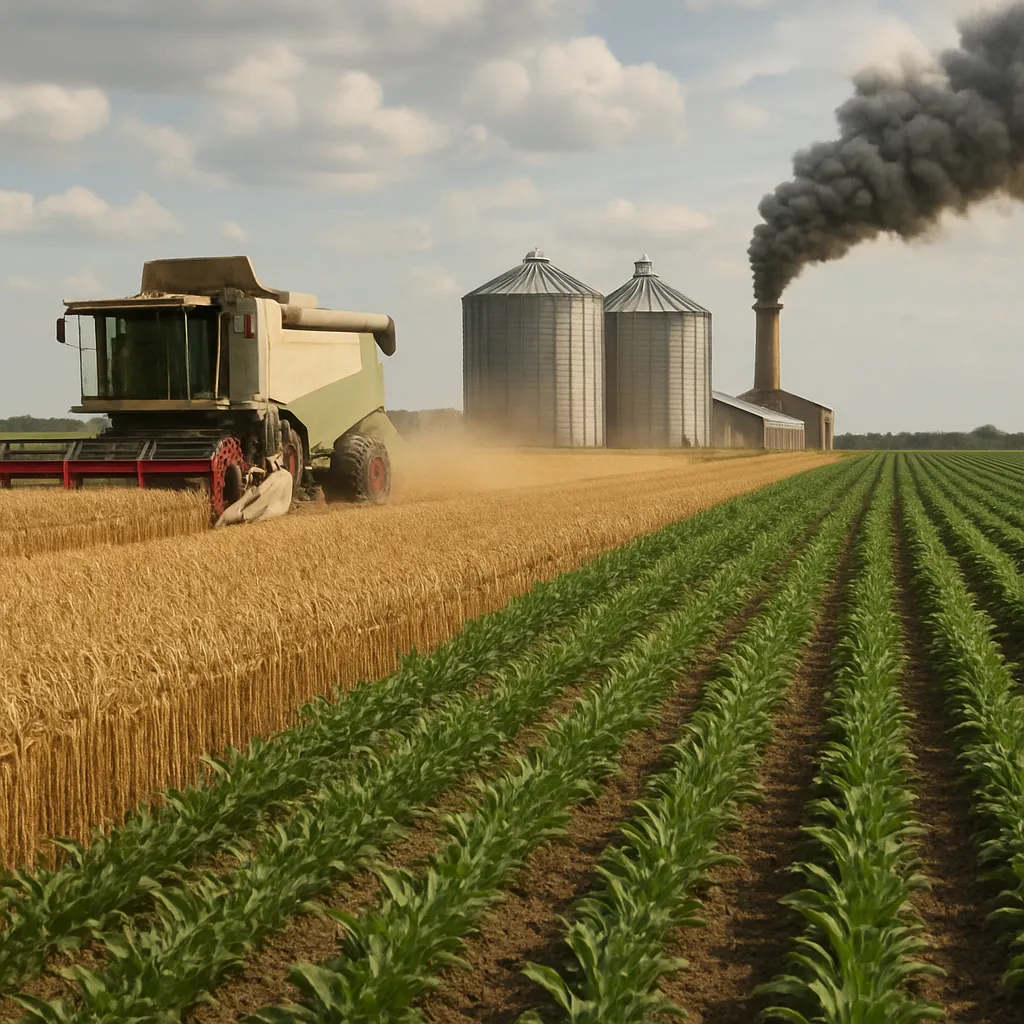
Governments worldwide have implemented a variety of environmental regulations targeting agricultural greenhouse gas output. Policies such as carbon pricing schemes, mandatory reporting, and nutrient management standards directly affect farmers’ bottom lines. Under a carbon pricing mechanism, any activity generating CO₂ or methane carries a fee proportional to the quantity of greenhouse gases released. While designed to internalize the environmental externality, these charges can translate into substantial annual expenses for grain operations, especially on farms with heavy machinery usage and nitrogen-intensive fertilization.
Compliance with new legislation often demands investments in monitoring equipment and data management systems. For example, tracking precise fertilizer application and soil moisture levels may require:
- Installation of remote sensors
- Subscription to digital agronomic platforms
- Regular auditing by third-party verifiers
Such measures increase fixed and variable costs, pressuring producers to adjust tactics and re-evaluate their production budgets.
In addition to direct outlays, regulatory uncertainty creates a risk premium that lenders and insurers incorporate into financing terms. Higher interest rates or insurance premiums can emerge when policymakers are expected to tighten restrictions on methane from livestock or nitrous oxide from fertilized fields. Consequently, grain operators face both visible charges and less apparent surcharges that elevate the overall cost structure.
Adaptation Strategies and Technological Innovation
To maintain profitability under stringent climate mandates, many producers turn to advanced agronomic solutions. Enhanced-efficiency fertilizers, for example, release nitrogen more precisely, reducing losses to the atmosphere and improving productivity. Precision agriculture employs GPS-guided equipment to tailor field interventions, minimizing input overlap and lowering fuel consumption. Both approaches deliver ecological gains and help offset higher regulatory fees.
Key adaptation tactics include:
- Variable-rate seeding and fertilization
- Conservation tillage or no-till systems
- Cover cropping to improve soil carbon sequestration
- Biological pest control to reduce chemical pesticide use
These practices enhance soil health and bolster farm resilience to erratic weather patterns.
Emerging technologies further contribute to cost mitigation. Drones and satellite imagery allow for early detection of yield-limiting factors, enabling targeted interventions that preserve margin. Data analytics offer predictive insights on optimal planting windows and irrigation timing, leading to water and energy efficiency. Meanwhile, investments in gene editing and hybrid seed development aim to produce grain varieties with intrinsic drought tolerance and lower fertilizer requirements.
Market Dynamics and Price Volatility
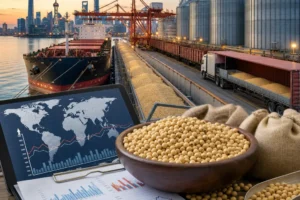
Climate policies not only alter input costs but also reshape global supply and demand. Regions burdened by strict carbon taxes may see production shift to areas with less onerous regulations, affecting export volumes and regional price spreads. Traders and processors must navigate changing trade flows and adapt procurement strategies accordingly.
Price volatility can intensify when extreme weather, partly driven by climate change, disrupts harvests in major producing countries. Policies that encourage carbon sequestration through reduced tillage can inadvertently decrease short-term yields, tightening supply. Speculators may respond by bidding up futures contracts, creating a feedback loop that extends to retail grain prices.
Governments often deploy intervention tools—such as buffer stocks, export controls, or targeted subsidies—to stabilize domestic markets. However, these measures can distort price signals, discouraging private investment in adaptation and innovation. Striking the right balance between market support and ecological stewardship remains a central policy dilemma.
Global Perspectives and Case Examples
Different countries have taken varied approaches to aligning grain production with environmental goals. In the European Union, the Common Agricultural Policy now includes a “green architecture” mandating crop diversification and ecological focus areas. Farmers receive payments only if they meet rigorous environmental criteria, effectively linking subsidies to compliance. While this has strengthened habitat protection, some producers argue it raises operational expenses without commensurate yield gains.
By contrast, Canada’s Prairie provinces emphasize incentives for carbon offset projects on farmland. Landowners can earn credits by adopting practices that sequester soil carbon or reduce greenhouse gas output. This market-based model allows farmers to monetize environmental services, partially offsetting compliance costs and spurring wider adoption of conservation measures.
In Australia, water-intensive grain growers contend with cap-and-trade systems for both carbon and water usage. The dual pricing environment compels producers to optimize irrigation technology—such as drip systems and soil moisture monitors—thereby reducing water footprints and energy consumption. Although upfront investments are significant, long-term returns accrue through lower input costs and improved risk management.
The United States has relied heavily on voluntary climate initiatives, including government-funded research and public–private partnerships. Programs like the Sustainable Agriculture Research and Education (SARE) grant innovative projects that test cover crops, no-till methods, and on-farm renewable energy installations. While direct regulation remains limited, voluntary standards are gaining traction among grain buyers seeking to demonstrate sustainability credentials in their supply chains.
Across all models, a common thread emerges: integrating environmental objectives into grain production triggers a cascade of cost adjustments, technology adoption, and market reorientation. Stakeholders who proactively embrace adaptation and engage with policy frameworks can often convert regulatory challenges into competitive advantages, paving the way for a more sustainable and productive grain economy.