

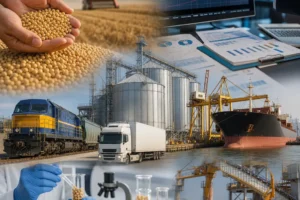

The dynamic interplay between shifting demographic patterns and grain demand has profound implications for global food security and market stability. As populations grow and migrate, the ways in which societies consume staple crops evolve, influencing not only **agricultural productivity** but also the resilience of **supply chains**, government policies, and commercial strategies. This article examines how changing population structures reshape **consumption** patterns, driving innovations and highlighting challenges within the grain sector.
Demographic Trends and Rising Grain Demand
Population expansion remains a primary driver of increased grain requirements. Forecasts suggest that by 2050, the global population will surpass 9.7 billion, intensifying pressure on cereal production. Regions experiencing the highest growth rates—primarily in sub-Saharan Africa and parts of South Asia—face the daunting task of securing sufficient grain supplies to meet dietary needs. Factors at play include:
- Fertility Rates: High birth rates correlate with accelerated demands for staple foods.
- Age Structure: Young populations typically consume more calories per capita, intensifying cereal demand.
- Migration Flows: Rural-to-urban migration alters regional demand profiles and market access.
These demographic shifts underscore the importance of strengthening production systems. Innovations in seed genetics, precision agriculture, and enhanced irrigation methods are vital to boosting yields and ensuring a reliable supply of **cereals** like wheat, rice, and maize.
Urbanization and Dietary Transformation
The rapid pace of urbanization is redefining traditional consumption patterns. Urban dwellers often adopt more diversified diets, integrating processed foods and higher-value grains, affecting both local and global markets. Key dynamics include:
- Dietary Diversification: Increased consumption of whole grains, specialty flours, and fortified products in city centers.
- Convenience Foods: Demand for ready-to-eat items propels growth in grain-based snacks, instant noodles, and baked goods.
- Income Effects: Rising household incomes encourage shifts toward higher-quality grains and niche products such as organic or non-GMO varieties.
As urban populations grow, food retailers and manufacturers must adapt logistics and distribution networks. The challenge lies in balancing economies of scale with local preferences, ensuring food safety standards, and minimizing waste through optimized packaging and supply chain management.
Technological Adaptation in Grain Markets
Advancements in **technology** are revolutionizing production, processing, and distribution within the grain sector. From farm-level innovations to digital platforms connecting buyers with suppliers, technology-driven approaches enhance both efficiency and transparency.
Smart Farming Practices
- Use of drones and satellites for real-time monitoring of crop health and soil conditions.
- Deployment of data analytics and artificial intelligence to forecast yields and optimize resource allocation.
- Integration of IoT sensors for precise irrigation and nutrient management, reducing waste and boosting **sustainability**.
Digital Marketplaces
- Online trading platforms that link farmers directly with processors, bypassing intermediaries and improving profit margins.
- Blockchain applications to verify traceability, ensuring quality control and tackling food fraud.
- Mobile finance solutions facilitating access to credit and insurance for smallholder farmers, stabilizing incomes.
These technologies collectively contribute to enhanced resilience against **market volatility**. Digital tools help stakeholders respond swiftly to demand fluctuations, climate events, and geopolitical disruptions that might otherwise threaten food availability.
Policy and Sustainability Considerations
Governments and international bodies play a critical role in shaping grain markets in response to demographic changes. Policy frameworks must address both short-term needs and long-term **nutrition** goals while safeguarding environmental resources.
Trade and Tariff Measures
- Strategic reserves and export controls designed to stabilize domestic prices during supply shocks.
- Reduction of import tariffs to facilitate cross-border flows and mitigate regional shortages.
Investment in Rural Infrastructure
- Improvement of roads, storage facilities, and ports to reduce post-harvest losses and maintain grain quality.
- Support for cooperatives and collective marketing to empower small-scale producers.
Environmental and Social Safeguards
- Promotion of conservation agriculture practices to preserve soil health and water resources.
- Models for inclusive growth that ensure equitable access to inputs, technology, and market information.
By integrating demographic realities into policy design, authorities can foster resilient grain systems capable of adapting to population growth, urban migration, and dietary transitions. This requires a coordinated approach that blends investment, innovation, and regulatory oversight to secure a balanced, future-ready grain market.