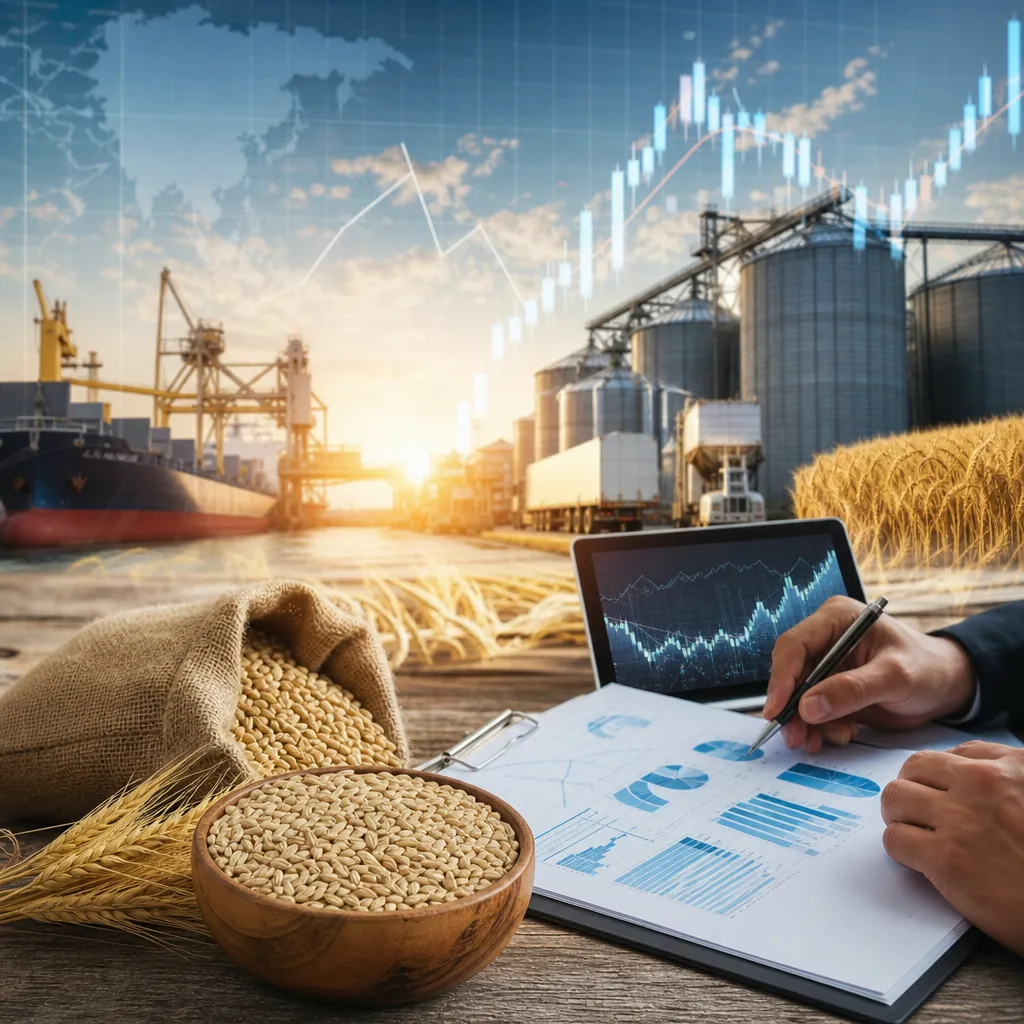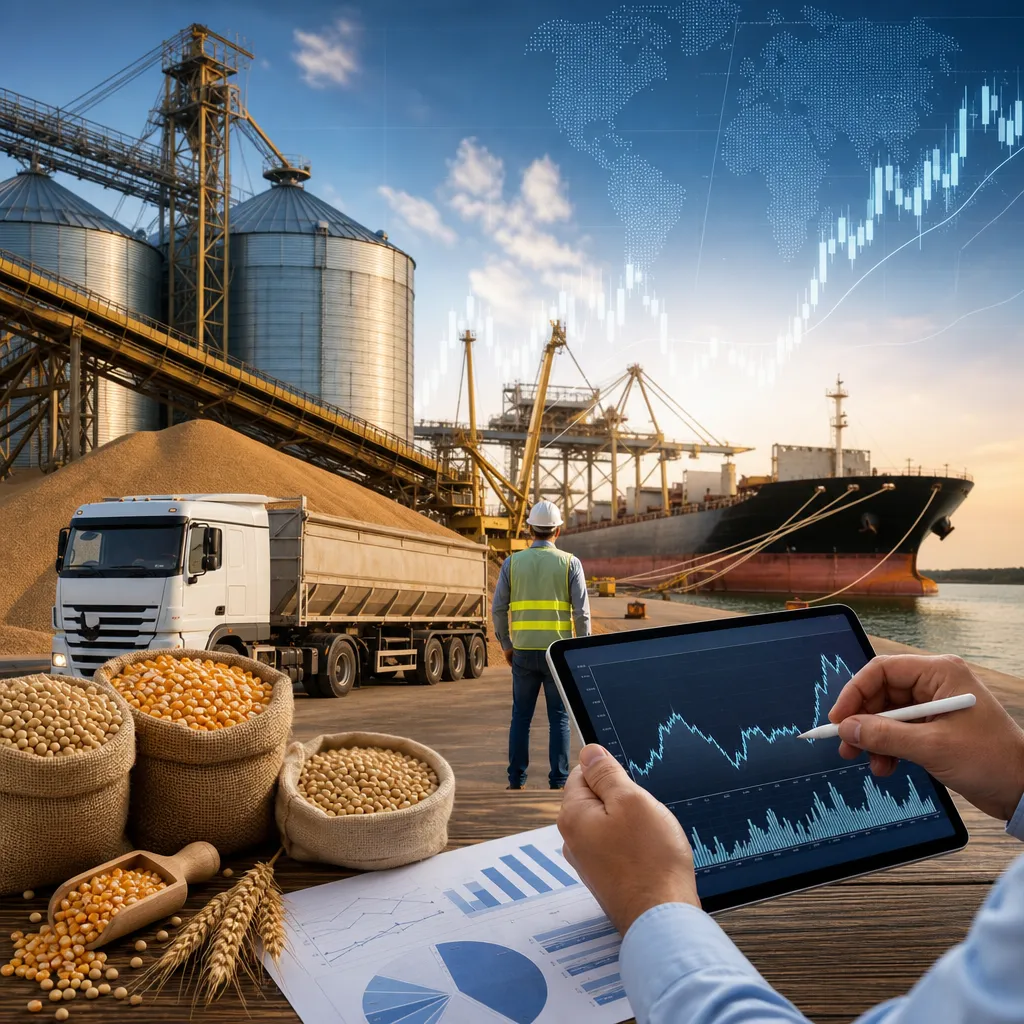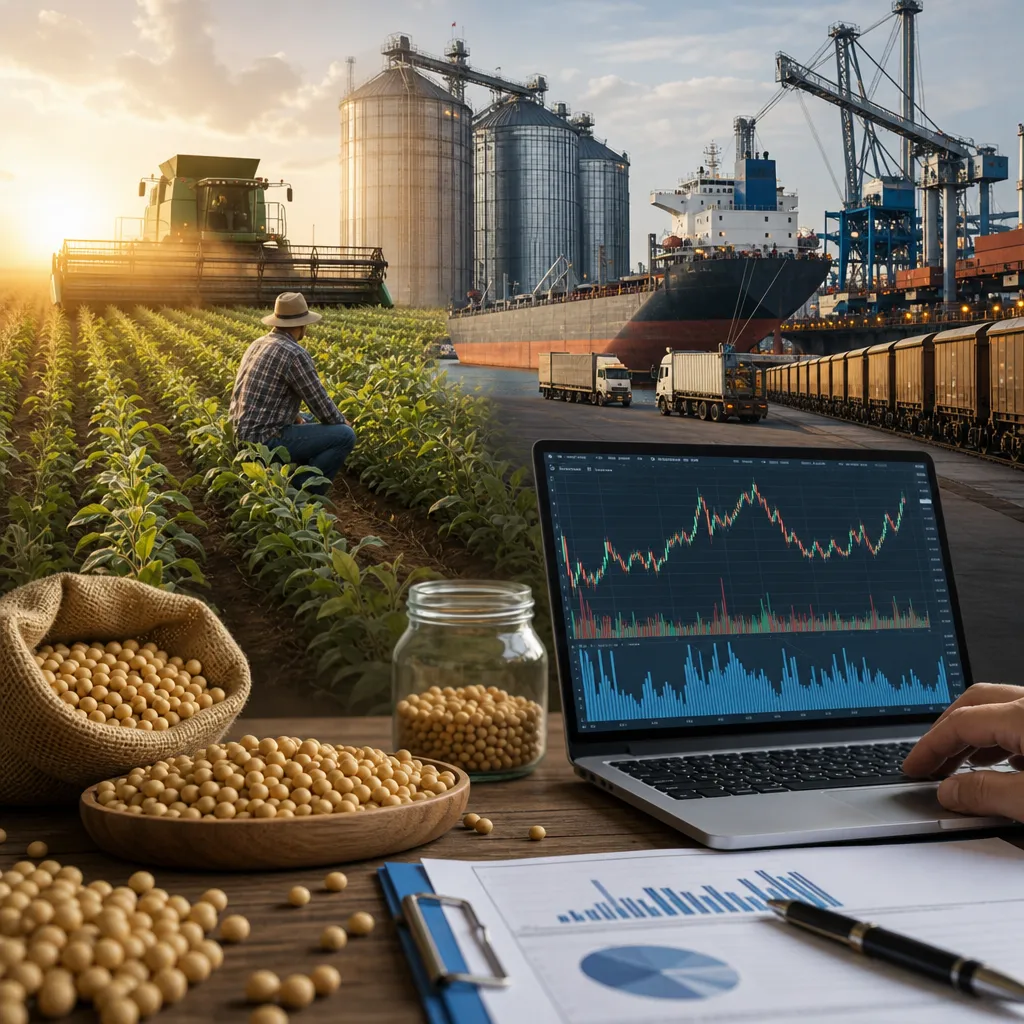

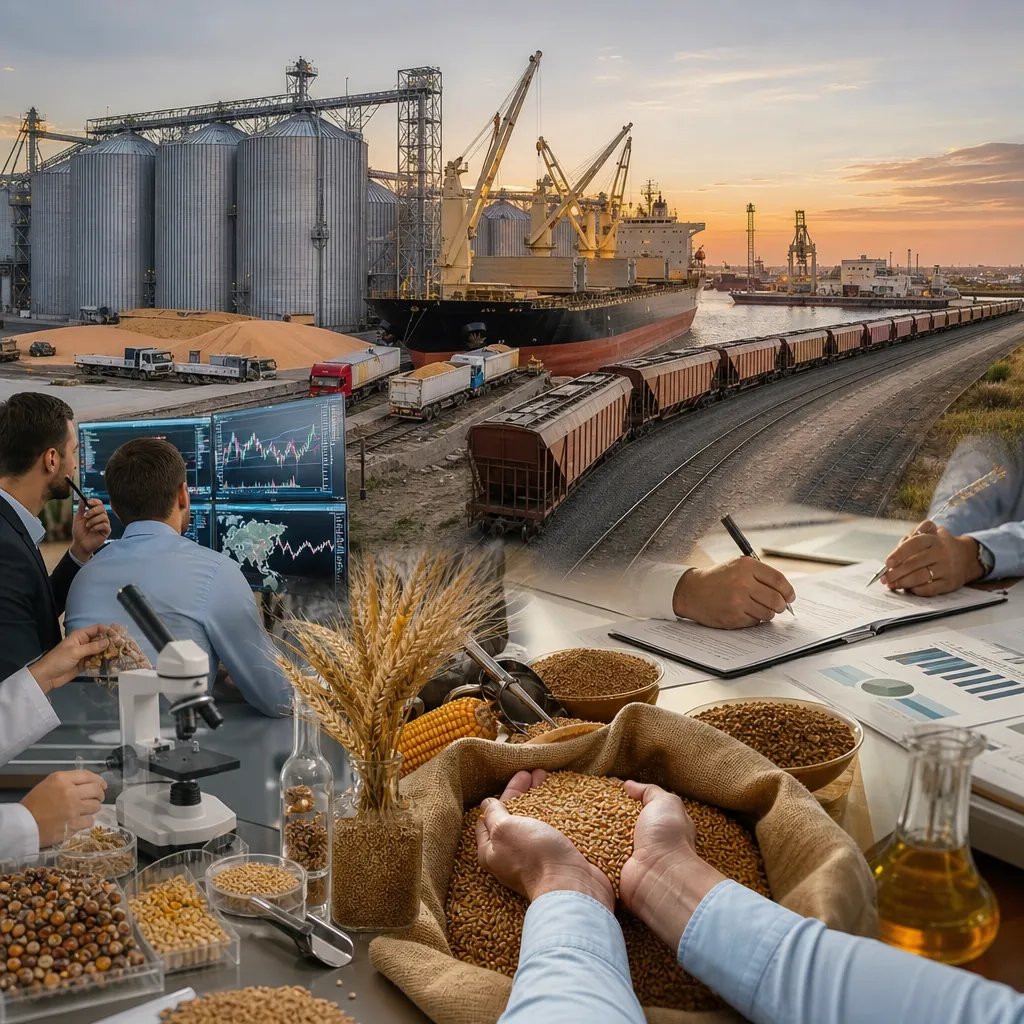
Trading grain means understanding two separate but connected markets: the financial market for grain futures and options, and the physical market where actual wheat, corn, soybeans, rice, barley, oats, rye, sorghum, canola, rapeseed, or sunflower seed is bought, sold, transported, stored, and processed. Most confusion starts when people assume an exchange quote is the same as a local cash price; it is not. In practice, you trade grain either through a regulated futures broker online, or through elevators, cooperatives, merchants, processors, exporters, or brokers in the cash market. The right method depends on whether you want price exposure, physical ownership, hedging, or delivery.
If you are a farmer, buyer, feed mill, crusher, exporter, or trader, the first practical step is to decide which market you actually need. If you need to move real grain, you will work with local and export-market counterparties, quality specs, freight, storage, and payment terms. If you need to manage price risk or speculate on price moves, you will usually use futures or options listed on regulated exchanges and access them through a futures commission merchant or other authorized broker.
What “trading grain” actually means
Grain trading can refer to three different activities.
- Physical grain trading: buying or selling actual grain for delivery to an elevator, mill, feed plant, crushing facility, warehouse, domestic buyer, or export terminal.
- Futures and options trading: taking a financial position in standardized exchange contracts tied to grain prices.
- Hedging: using futures, options, or forward contracts to reduce price risk on grain that you produce, store, process, import, or consume.
These activities overlap, but they are not the same. A farmer may sell corn to a local elevator in the cash market, hedge separately on an exchange, and store grain in a bin while waiting for basis to improve. A flour mill may buy wheat physically from merchants but use futures to hedge input costs. A speculator may trade soybean futures without ever owning soybeans.
| Market type | What is traded | Where it happens | Typical users |
|---|---|---|---|
| Cash market | Physical grain | Elevators, cooperatives, merchants, processors, export houses, direct farm contracts | Farmers, mills, crushers, feed companies, exporters, importers |
| Futures market | Standardized contracts | Regulated exchanges via broker platforms | Hedgers, merchants, funds, speculators, processors |
| Options market | Rights on futures contracts | Regulated exchanges via broker platforms | Hedgers seeking flexibility, traders managing risk |
| Forward or OTC contracts | Private price and delivery agreement | Directly with elevator, merchant, processor, or broker | Farmers, buyers, commercial grain firms |
Where grain prices come from and where to check them
To trade grain correctly, you need to know which price you are looking at. The market usually speaks in two price layers: futures and cash.
Futures prices are quoted on exchanges. For many global grain participants, benchmark contracts are found on CME Group markets, especially for corn, wheat, and soybeans. Exchange prices are standardized by contract month, quantity, quality assumptions, and delivery terms. These quotes are widely used for hedging and price discovery, but they are not the same as a farmgate or delivered local price.
Cash prices are local, negotiated, and depend on basis, freight, quality, moisture, protein, damage, test weight, timing, and local supply-demand conditions. Farmers and buyers usually check local bids through elevator bid sheets, cooperative postings, merchant quotes, processor bids, regional market reporting services, or direct phone and email contact with buyers.
In the United States, practical public sources often include USDA market reporting services for cash market information, USDA reports for fundamentals, and CME Group for futures contract specifications and market data. In other countries, equivalent sources may include agriculture ministries, official grain marketing agencies, national statistics offices, port authorities, and exchange websites.
A local cash bid is often described as:
Cash price = Futures price + or – basis
Basis is the local price adjustment relative to the futures market. It reflects transportation costs, local stocks, nearby demand, export congestion, river or rail conditions, and quality differences. A wheat futures rally does not guarantee that your local wheat bid will rise by the same amount if basis weakens.
How to trade grain futures and options
If your goal is financial trading or hedging, grain futures and options are normally accessed through a regulated broker that offers commodity futures trading. You do not buy a truckload of corn through a futures platform; you buy or sell a standardized contract.
How the process usually works
- Choose a regulated futures broker: The broker provides market access, account onboarding, margining, statements, and risk controls.
- Open and fund an account: Identity checks, financial suitability questions, and risk disclosures are typically part of the process.
- Select the contract: You choose crop, exchange, and delivery month. Contract specifications matter because quantity, tick size, deliverable grade, and expiry vary.
- Place the trade: You buy if you expect prices to rise or need long hedging exposure; you sell if you expect prices to fall or want to hedge grain ownership.
- Manage margin: Futures use leverage. You post margin and may face variation margin if the market moves against you.
- Exit, roll, or hedge into expiry: Most financial traders close or roll before delivery notice periods. Commercial participants may use futures as part of a broader merchandising strategy.
Options work differently. Buying a put can help protect downside price risk for grain owners; buying a call can help a buyer protect against rising prices. Options cost a premium, which is the maximum loss for an option buyer, but options still require a clear understanding of expiry, strike price, volatility, and time decay.
Leverage is the main reason grain futures can be useful and dangerous. A small price move can materially affect account equity. Futures are efficient tools for hedging and speculation, but they are not a low-risk shortcut.
How physical grain is bought and sold
Physical grain trading is a logistics and quality business as much as a pricing business. Real transactions usually happen through agricultural cooperatives, country elevators, feed mills, flour mills, maltsters, crushers, grain merchants, exporters, livestock integrators, or specialized brokers.
Typical physical trade flow
- Seller identifies grain available: quantity, crop, location, harvest timing, storage condition, and quality.
- Buyer or intermediary quotes a bid: based on futures reference if relevant, plus basis, quality adjustments, and delivery terms.
- Contract is agreed: spot, forward, basis-only, fixed-price, minimum-price, or other commercial structure depending on the market.
- Delivery is arranged: farm pickup, truck to elevator, rail shipment, barge movement, warehouse delivery, or port execution.
- Inspection and weighing occur: grade, moisture, foreign material, damage, protein, oil content, and contamination checks may apply.
- Settlement follows contract terms: payment timing varies by market and counterparty.
Where this happens depends on the crop and region. Corn and soybeans may move to feed mills, ethanol plants, crushers, or export channels. Milling wheat goes to flour mills or export handlers. Barley may go to feed users or maltsters. Rice often trades under stricter milling and quality standards. Canola and rapeseed are commonly linked to crushing demand and export flows.
In physical transactions, delivery point matters. Grain at the farm, in a licensed warehouse, at an inland elevator, or loaded at port can have very different values. Freight can change the economics as much as the commodity price itself.
| Transaction element | What you need to check | Why it matters |
|---|---|---|
| Quality and grade | Moisture, protein, test weight, damage, impurities, mycotoxins, oil content | Affects acceptability, discounts, and end use |
| Delivery point | Farm, elevator, processor, warehouse, port | Changes freight and final net price |
| Basis or local differential | Difference versus futures or export benchmark | Determines local cash value |
| Payment terms | Settlement timing, documentation, title transfer | Affects cash flow and counterparty risk |
| Freight and logistics | Truck, rail, barge, vessel access and cost | Often drives local price spreads |
How hedging works for farmers, buyers, and processors
Hedging is not about forecasting perfectly. It is about reducing exposure to unwanted price moves.
A farmer with grain in storage is naturally long the physical market. One common hedge is to sell futures against expected or stored production. If cash prices fall, the gain on the futures short may offset part of the weaker physical sale price. But basis can still change, so the hedge is not perfect.
A feed manufacturer or mill is often naturally short raw material needs. It may buy futures or calls to protect against a grain rally before physical purchases are completed. A crusher or exporter may hedge both input and output sides while managing basis, freight, and execution risk.
Common tools include:
- Forward cash contracts: lock in a physical sales price with an elevator or buyer.
- Basis contracts: lock basis first, price futures later.
- Hedge-to-arrive structures: lock futures reference first, then set basis later where offered.
- Short futures: common for producers and merchants holding inventory.
- Long futures or calls: common for buyers worried about rising prices.
- Protective puts: downside insurance with premium cost.
The main practical limitation is that a futures hedge manages benchmark price risk better than local basis risk. If your market is highly local, weather damaged, quality specific, or logistics constrained, the difference between your cash market and the benchmark may widen unexpectedly.
Which reports, data, and tools grain traders actually use
Good grain trading depends on reliable data, not just chart watching. The most useful sources are usually official supply-demand reports, crop condition updates, export data, positioning data, and exchange specifications.
Key public sources
- USDA WASDE: widely used global and U.S. supply-demand balance sheets for major crops. Traders use it to compare production, consumption, exports, imports, and ending stocks.
- USDA Crop Progress: tracks planting, emergence, condition, and harvest pace, especially important during growing season.
- USDA Export Sales: shows weekly sales and shipments, useful for demand tracking.
- CFTC Commitments of Traders: shows how major trader categories are positioned in futures and options markets.
- CME Group: contract specifications, expiry calendars, settlement information, and benchmark futures market details.
- FAO and national agriculture agencies: broader international crop and food-market context.
Commercial market-data providers, charting packages, and farm-management systems can add faster quotes, historical series, basis maps, bid comparisons, weather analytics, and merchandising tools. But they do not replace verification of the underlying benchmark and local physical market conditions.
| Report or tool | Provider type | How traders use it |
|---|---|---|
| Supply-demand balance sheets | Government agriculture agencies | Estimate stocks, production, trade, and demand |
| Crop condition and progress reports | Government crop reporting services | Track yield risk and harvest timing |
| Futures contract data | Commodity exchanges | Check benchmark pricing, expiry, and contract rules |
| Positioning reports | Market regulators | See speculative and commercial positioning |
| Local bid sheets and basis tools | Elevators, cooperatives, merchants, commercial software | Price physical grain in the local market |
Storage, quality, and logistics in grain trading
Grain can be badly mispriced if storage and logistics are ignored. A strong board price does not help much if grain cannot move, fails quality specs, or loses value in storage.
Storage options usually include on-farm bins, commercial elevators, and licensed warehouses. On-farm storage gives timing flexibility, but the owner remains exposed to quality loss, shrink, insect damage, moisture issues, aeration and energy costs, and financing costs. Commercial storage can reduce handling burdens but adds fees and may limit flexibility during congested periods.
Quality is central. Different crops and end users require different standards. Milling wheat may need protein and falling number requirements. Malting barley needs germination and variety compliance. Soybeans and canola may be priced on oil content and damage. Corn can face moisture, test-weight, and mycotoxin issues. Small differences in quality can create large bid discounts.
Logistics are equally important. Trucking, rail, barge, and vessel access determine who can pay the best bid. River levels, port lineups, rail performance, harvest pressure, and container availability can all affect local basis and trade timing. In international trade, contract terms may also depend on shipment windows, inspection, certificates, and trade terms such as FOB or CIF where applicable.
Main risks and common mistakes
Grain trading risk is broader than price risk.
- Price risk: flat price can move sharply because of weather, policy, or macroeconomic shocks.
- Basis risk: local cash price can diverge from futures.
- Quality risk: grain may test below contract requirements.
- Counterparty risk: the other side may delay or fail performance or payment.
- Margin risk: futures hedges can require significant cash during adverse price moves.
- Logistics risk: inability to move grain on time can trigger penalties or lost sales.
- Currency risk: especially relevant in export and import markets.
Common mistakes include treating futures as local cash, ignoring contract expiry, hedging the wrong grade or market, failing to read contract terms, underestimating storage and interest costs, and relying on one report without checking broader demand, weather, and trade flows.
A practical step-by-step approach for beginners
- Define your purpose: speculation, hedging, physical buying, or physical selling.
- Choose your market: futures broker for financial trading; elevator, cooperative, merchant, or processor for physical grain.
- Learn the benchmark: know which futures contract, crop year, unit, and currency are relevant.
- Check local pricing: compare bids from more than one buyer when possible.
- Understand contract terms: quantity, quality, delivery location, pricing window, and payment terms.
- Use official reports: track supply, demand, exports, crop conditions, and positions.
- Plan risk management: define how much price exposure you want, how much margin or premium you can carry, and when you will exit.
- Review logistics and storage: know whether you can physically perform the contract.
Where can I check grain prices?
Check benchmark futures on exchange-related market data services such as CME Group for listed contracts, and check local cash bids through elevators, cooperatives, merchants, processors, or official agricultural market reporting systems. The futures quote is a benchmark, while the cash bid is the price relevant for physical sale or purchase.
Can I trade grain online without handling physical grain?
Yes. That is usually done through futures and options accounts with authorized brokers. You trade standardized contracts, not truckloads or warehouse lots. Most financial traders close positions before delivery periods.
Where do farmers usually sell physical grain?
Most commonly to country elevators, agricultural cooperatives, grain merchants, feed mills, crushers, processors, or direct local buyers. Some grain also moves through brokers or directly into export channels, depending on region and volume.
What is the difference between futures and cash grain?
Futures are exchange-traded benchmark contracts with standardized terms. Cash grain is the real local commodity with specific quality, location, and freight characteristics. Cash prices are often built from futures plus or minus basis.
Do grain futures always lead local prices?
Not always in a simple way. Futures often drive broader price discovery, but local prices can behave differently because of basis, storage pressure, transport bottlenecks, weather damage, or unusual local demand.
What reports matter most for grain traders?
Widely followed reports include USDA WASDE, USDA Crop Progress, USDA Export Sales, and CFTC Commitments of Traders. Exchange contract specifications and settlement information are also essential for anyone using futures or options.
Is grain storage part of trading strategy?
Yes. Storage affects timing, basis opportunity, quality risk, cash flow, and carrying costs. A storage decision is effectively a trading decision because it changes when and where the grain can be sold.
What is the biggest beginner mistake in grain trading?
Confusing exchange prices with the actual delivered or farmgate cash price. The second most common mistake is ignoring contract details such as basis, quality deductions, expiry, delivery period, and margin exposure.
Sources
- USDA Foreign Agricultural Service and USDA World Agricultural Supply and Demand Estimates
- CME Group
- U.S. Commodity Futures Trading Commission Commitments of Traders