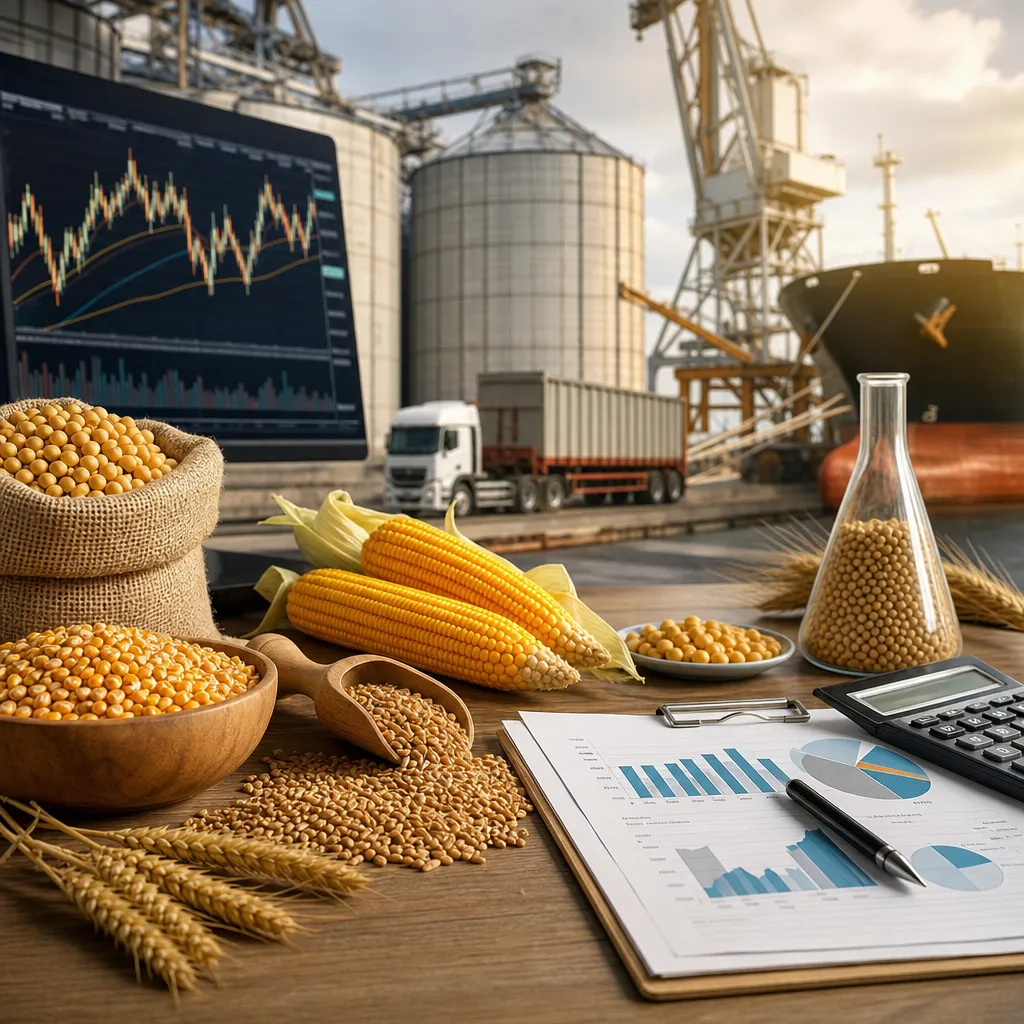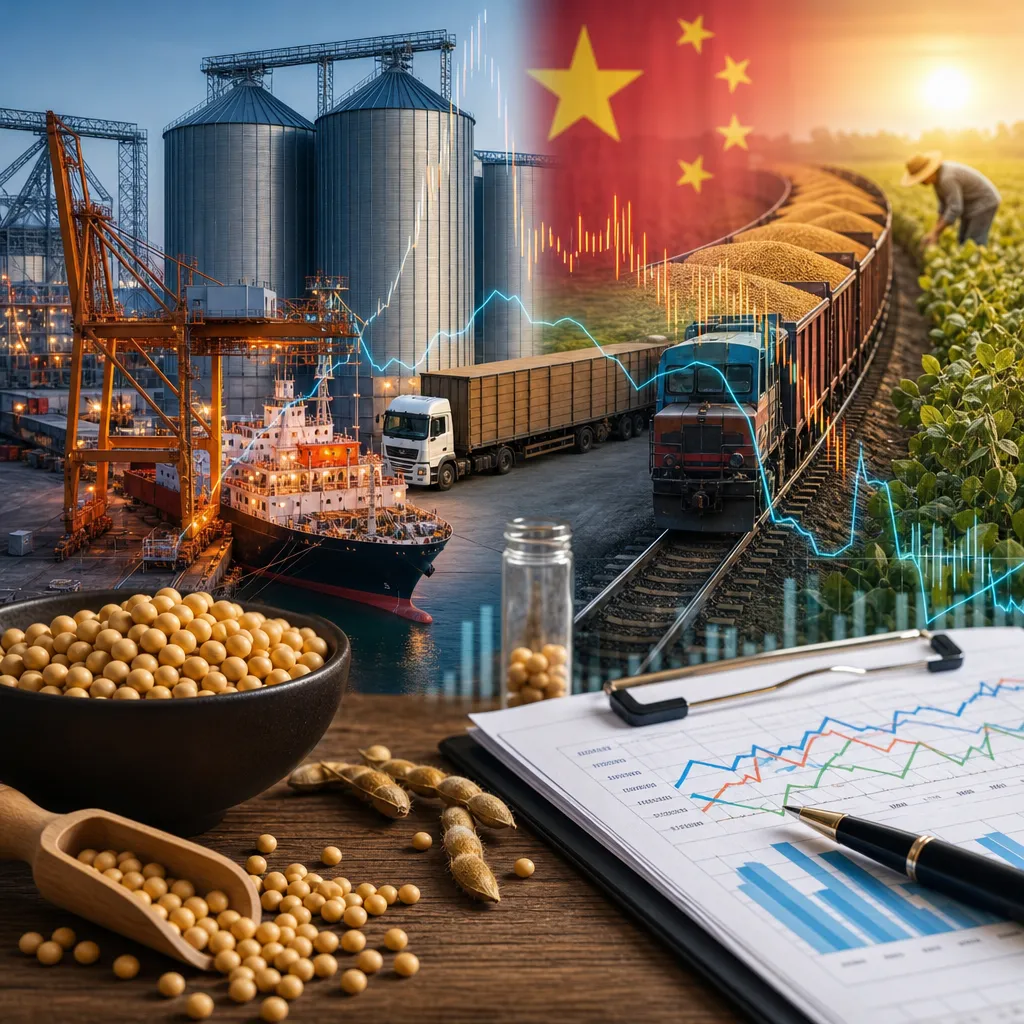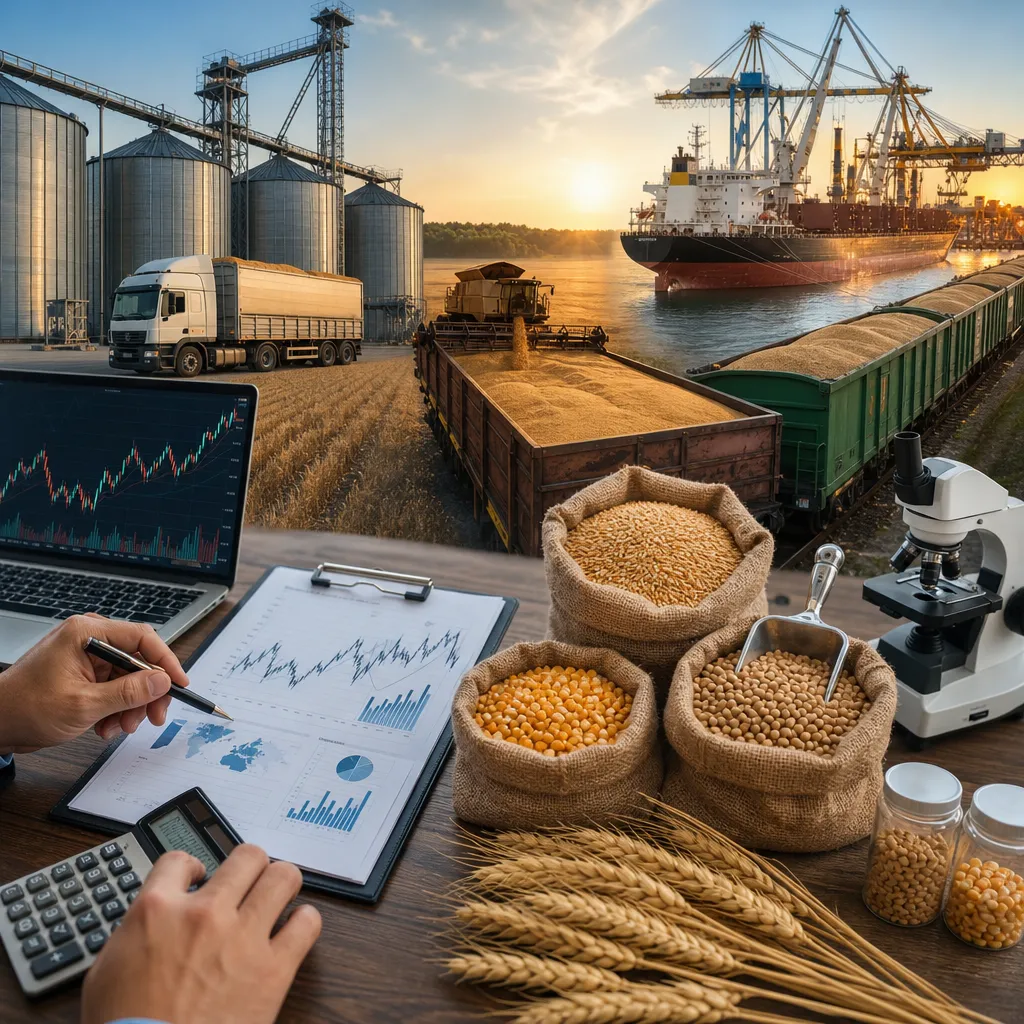

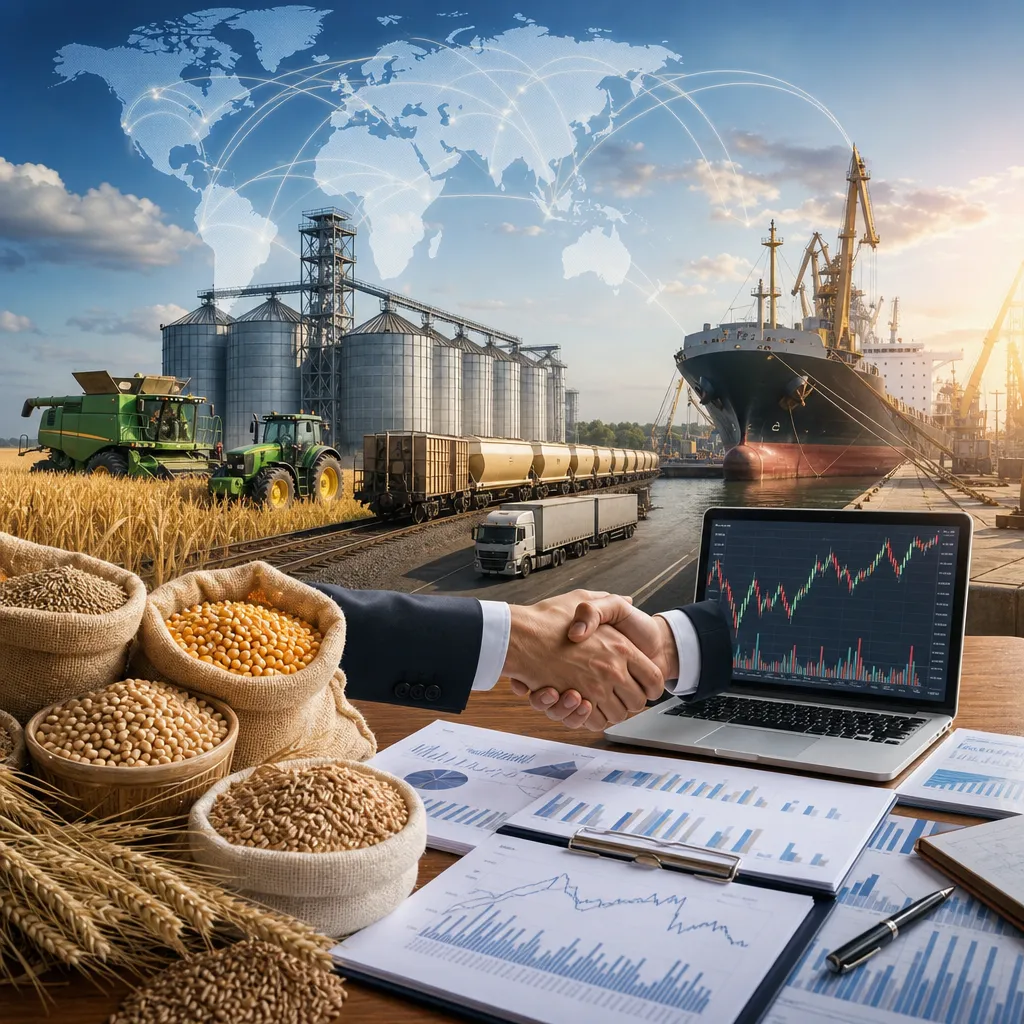
Grain basis trading is the buying, selling, or managing of the difference between a local cash grain price and a related futures price. In practice, basis is what connects exchange-traded benchmark prices to the real price at an elevator, processor, feed mill, river terminal, rail shuttle, or export port. It matters because most physical grain is not priced from futures alone; it is priced as futures price plus or minus basis. Understanding basis helps farmers market grain, helps processors secure supply, and helps traders separate flat-price risk from local supply-and-logistics risk.
Basis trading is used in both the physical grain market and in risk management. A farmer may lock basis with a local elevator and leave futures open, or hedge futures and later set basis. A merchant may buy grain at one basis level, move it through storage or freight channels, and sell it at another. Basis is therefore not just a number on a bid sheet; it reflects transportation, storage, quality, local competition, export demand, and timing.
If you want to use basis trading in practice, the key question is not only “what is basis?” but “where is this basis quoted, who offers it, and how do I transact it?” The answer depends on whether you are dealing with a local cash contract, a hedge-to-arrive contract, a basis contract, or a merchant spread between origins and destinations.
What grain basis is
Basis = local cash price minus futures price for a relevant contract month. If local corn is bid at less than the futures price, basis is negative, often described as “under.” If the local cash bid is above futures, basis is positive, often called “over.”
Example in plain language: if December corn futures are quoted on CME Group and a local elevator bids less than that futures month, the basis is 20 cents under December. If a soybean processor bids above the relevant futures month because nearby demand is strong, the basis may be 15 cents over.
Basis exists because futures are standardized benchmark contracts traded on an exchange, while physical grain is location-specific and quality-specific. A bushel at an inland elevator is not the same commercial proposition as a bushel delivered at a river terminal or export port. Freight, handling, drying, storage, loading capacity, and local supply pressure all affect the difference.
| Term | Meaning | Where used |
|---|---|---|
| Futures price | Exchange-traded benchmark for a contract month | CME Group and broker trading platforms |
| Cash price | Actual local bid or offer for physical grain | Elevators, cooperatives, processors, merchants |
| Basis | Cash price minus futures price | Cash contracts, hedging, merchandising |
| Flat price | Total price received or paid for the grain | Physical settlement and farm marketing |
How basis trading works in practice
Basis trading works by separating futures risk from local cash market risk. This allows one side of the price to be fixed while the other remains open.
1. Basis-only cash contract
A farmer or grain owner agrees basis with a local buyer, but the futures price is fixed later. This is often used when the seller believes local basis is attractive now, but futures may improve later.
2. Hedge-to-arrive structure
The futures component is fixed first, while basis is set later. This is often used when futures are attractive but local basis is expected to strengthen.
3. Merchant basis position
A grain merchant may buy grain from country origin at one basis level and sell it into a processor, exporter, or feed buyer at a different basis. The merchant tries to earn a margin after freight, handling, shrink, finance, and risk costs.
4. Storage-based basis strategy
If harvest pressure makes basis weak, grain may be stored and sold later if basis improves enough to cover storage, interest, quality risk, and handling costs. This can be done on-farm, at a commercial warehouse, or through delayed pricing arrangements, depending on market structure and local rules.
Basis trading does not require every participant to trade futures directly. Many farmers only transact basis through cash contracts with elevators or cooperatives. Merchants and processors often hedge futures through a regulated broker account while negotiating basis physically in the cash market.
Where basis is quoted and where grain basis trading happens
Basis is typically quoted in the physical market, not as a standalone exchange instrument for farmers. You normally find it in:
- Country elevators and cooperatives posting cash bids against a futures month
- Processors such as soybean crushers, ethanol plants, flour mills, feed mills, maltsters, or rice mills
- Grain merchants and originators buying direct from farms or secondary elevators
- River terminals, rail loaders, port facilities, and exporters quoting destination-specific bids
- Brokered physical markets where grain brokers arrange origin-to-destination trades between commercial counterparties
Online, farmers usually check local bids on elevator or cooperative websites, mobile apps, or regional cash bid services. Merchants often monitor internal bid sheets, broker screens, freight offers, and destination demand. Futures prices, by contrast, are quoted on regulated exchanges such as CME Group and accessed through data vendors or futures brokerage platforms.
This distinction is essential: a futures quote from an exchange is not automatically the local grain price. The actual farmgate or elevator bid may differ materially due to basis.
| Market type | What it provides | Who uses it | How access usually works |
|---|---|---|---|
| Futures exchange | Benchmark futures prices and hedging tools | Traders, merchants, processors, hedgers | Through a regulated futures broker |
| Local elevator or cooperative | Cash bids, basis contracts, delivery points | Farmers and local grain sellers | Websites, apps, phone calls, in-person contracts |
| Processor or feed buyer | Destination bids tied to quality and nearby demand | Farmers, merchants, originators | Direct commercial negotiation |
| Physical grain broker | Matches origin and destination trade | Commercial grain firms | Over-the-counter negotiation |
What moves grain basis
Basis is local, so it often moves for reasons that are different from the reasons that move futures. A bearish USDA report may push futures lower, but a strong local processor could still bid firmer basis if it needs nearby grain.
Main basis drivers include:
- Harvest pressure: basis often weakens when large volumes reach country elevators at the same time
- Storage availability: tight elevator space can pressure nearby basis at harvest
- Freight: truck, barge, rail, and ocean logistics affect origin and destination bids
- Processor demand: crushers, mills, ethanol plants, feedlots, and maltsters may raise bids to attract grain
- Export demand: port demand can lift nearby basis along export channels
- Quality: test weight, protein, moisture, damage, vomitoxin, oil content, or falling number can change effective basis via premiums and discounts
- Regional crop size: a short local crop often strengthens basis even if national futures are weak
- Seasonality: basis often follows repeatable local patterns, though not always
For wheat, quality and protein spreads can be especially important. For soybeans, crusher margins and export flow matter. For corn, ethanol demand, feed demand, and logistics often dominate local basis behavior. Rice, barley, canola, sorghum, and sunflower seed basis can be even more location-specific because fewer delivery channels may exist.
How farmers, elevators, and merchants use basis trading
Farmers
Farmers use basis trading to improve marketing flexibility. A common workflow is to monitor local bids from multiple buyers, compare basis levels across delivery periods, and decide whether to set basis now or later. Some producers hedge futures independently in a brokerage account and negotiate cash basis separately, but many prefer elevator-administered contracts because they avoid direct futures margin calls.
Elevators and cooperatives
Country elevators manage basis as part of origin merchandising. They buy grain from farmers, account for drying, shrink, and storage, and then sell to processors, terminal elevators, or exporters. They frequently hedge futures exposure while retaining basis exposure linked to local supply and destination demand.
Merchants and processors
Large merchants and processors use basis trading to secure physical supply and optimize asset utilization. A soybean crusher may strengthen basis to keep crush plants supplied. An exporter may bid aggressively at river or port if vessel lineups require nearby execution. Their basis decisions often reflect freight spreads, storage economics, export margins, and plant coverage needs.
How to evaluate a basis opportunity
A strong basis is not automatically a good sale, and a weak basis is not automatically a bad one. The right comparison is between today’s basis and realistic alternatives available to the same seller.
- Choose the correct futures reference month. Basis must be compared against the contract month the buyer is using.
- Collect bids from several buyers. Compare local elevator, cooperative, processor, rail loader, or river bids if accessible.
- Check delivery terms. Nearby delivery may have a better basis than later delivery, or the opposite.
- Review quality terms. Discounts for moisture or damage can outweigh a seemingly strong basis.
- Estimate net price after freight. A stronger distant bid may not outperform a weaker nearby bid after trucking.
- Consider storage economics. If waiting for better basis, include interest, aeration, shrink, spoilage, and opportunity cost.
- Separate futures view from basis view. Decide whether you are bullish on futures, bullish on local basis, or both.
Many commercial participants keep historical basis records by location and delivery window. Farm management software, elevator apps, and grain marketing platforms may help store this information, but the most important point is that basis should be compared on a consistent delivered-to-the-same-place basis.
Basis trading versus futures trading
Futures trading and basis trading are connected, but they are not the same activity.
Futures trading happens on a regulated exchange through a futures broker. Contracts are standardized, margins are required, and positions are marked to market daily. A trader can speculate or hedge without ever handling physical grain.
Basis trading usually happens in the cash grain trade between known commercial parties or between a farmer and a buyer. It may be embedded in contracts offered by elevators, cooperatives, processors, or merchants. The basis side is often negotiated or posted privately by market participants, not traded in a central public order book.
Some futures contracts permit delivery, but most market participants offset futures before delivery. Physical grain transactions involve additional issues that futures screens do not solve: grade, moisture, protein, freight, inspection, delivery window, payment terms, title transfer, and counterparty performance.
Data, reports, and tools used to analyze basis
Reliable basis analysis combines exchange data with physical market information.
- CME Group: benchmark futures prices, contract specifications, expiry months, and delivery rules for major grains and oilseeds
- USDA AMS: market news and many regional cash market reports, useful for physical bid context in the United States
- USDA NASS and WASDE: supply-and-demand reports, acreage, yields, stocks, and crop progress that influence futures and indirectly basis
- USDA Export Sales and Grain Transportation reports: useful for export pull and logistics conditions
- CFTC Commitments of Traders: helps analysts understand speculative and commercial positioning in futures, though not local cash basis directly
- National agricultural ministries and statistical offices: important outside the United States for crop size, trade flows, and policy changes
Commercial software may combine cash bids, hedge positions, position limits, inventory records, settlement sheets, and logistics planning. These tools are typically designed for elevators, merchants, processors, or larger farms. They are different from retail broker platforms, which focus on futures and options execution rather than physical grain contracting.
Main risks and limitations of basis trading
Basis trading is often described as less risky than outright flat-price speculation, but that should not be mistaken for low risk. The risk is simply different.
- Basis risk: local basis may weaken instead of strengthen
- Storage risk: grain quality can deteriorate if storage is poor
- Freight risk: trucking, rail, or barge costs can change expected margins
- Counterparty risk: payment and performance matter in OTC physical trade
- Quality risk: discounts can erase expected basis gains
- Margin risk: if futures are used directly, hedges still require margin funding
- Policy and logistics risk: export restrictions, port disruptions, or weather events can alter local basis sharply
Basis can also behave differently across crops and regions. For example, a location with only one practical buyer may have very different basis behavior from an area with multiple processors and rail competition. That is why basis analysis is most useful when grounded in a specific crop, delivery point, and delivery month.
Where can I check grain basis quotes?
Usually through local elevator, cooperative, processor, and terminal bid sheets, often published on websites or mobile apps. For broader market context, USDA Agricultural Marketing Service reports can help in the United States. Futures prices used in basis calculations are generally checked via CME Group market data or brokerage platforms.
Is basis the same as the cash grain price?
No. Basis is only the difference between the local cash price and the relevant futures month. The cash price is the final local bid before quality adjustments, service charges, or freight differences.
Can I trade basis without opening a futures account?
Yes. Many farmers use basis contracts or cash contracts offered by elevators and cooperatives without maintaining a direct futures brokerage account. However, if you want to hedge futures independently, you normally need a regulated futures broker and must manage margin requirements.
Where does physical grain basis trading happen?
Mostly in the over-the-counter physical market: country elevators, cooperatives, processors, feed mills, exporters, river terminals, rail loaders, and grain merchants. It is generally negotiated through posted bids, direct phone trade, merchant networks, or contract offers rather than through a centralized exchange screen.
Why can basis vary so much between locations?
Because freight, storage space, buyer competition, local crop size, export access, and quality demand differ by region. A strong processor market or export corridor can support firmer basis than an oversupplied inland area with limited outlet capacity.
What is the biggest mistake in using basis contracts?
Focusing only on the posted basis number without checking the associated futures month, delivery period, quality terms, freight cost, and contract obligations. A basis that looks strong may be less attractive once those details are included.
Do basis contracts eliminate all price risk?
No. They only separate one component of price from another. If you fix basis and leave futures open, you still have futures price risk. If you fix futures and leave basis open, you still have local cash market risk.
Which reports matter most for basis traders?
For benchmark pricing and hedging, CME Group contract data matters. For physical context, USDA AMS cash market reports are important in the U.S. For broader price direction, many participants watch USDA WASDE, Crop Progress, Export Sales, and transportation reports, along with local logistics and buyer bid changes.
Sources
- CME Group
- USDA Agricultural Marketing Service
- USDA World Agricultural Supply and Demand Estimates