

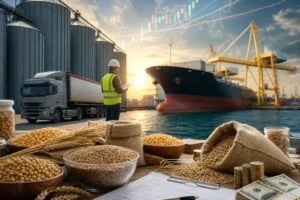
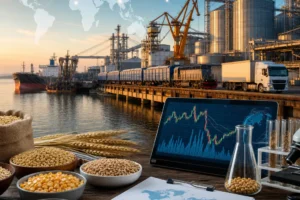


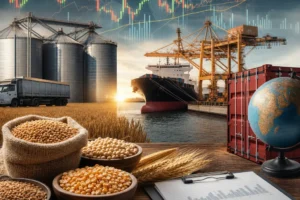



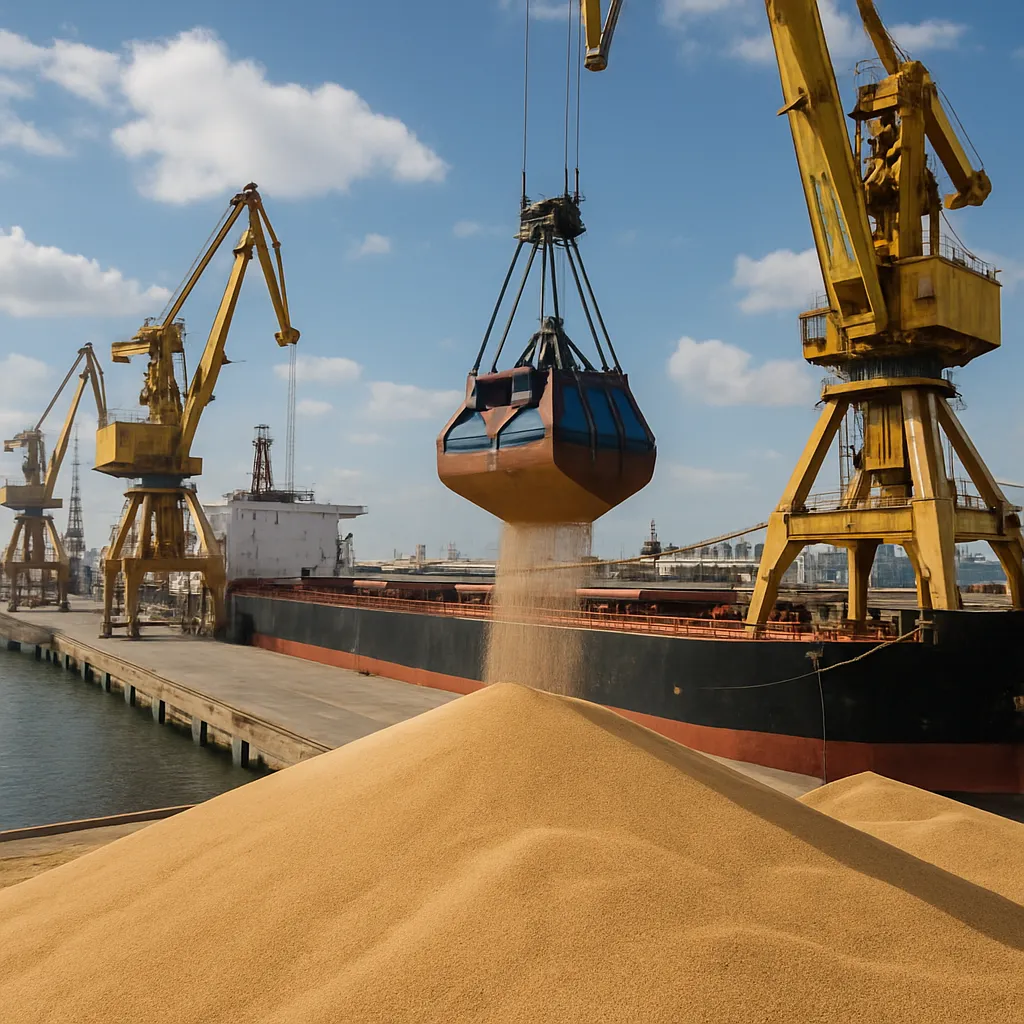
Global grain trade has undergone transformative shifts over the last decades, driven by evolving demand patterns, climate variability, and advancements in transport technology. The ability of exporters to deliver grain reliably and cost-effectively hinges on their access to multiple port facilities. Diversified port access not only alleviates bottlenecks but also enhances overall supply chain performance. This article explores three critical dimensions of why multiple port options are indispensable for grain exporters seeking long-term success.
Efficient Logistics and Infrastructure Optimization
Grain exporters operate within a highly competitive environment where margins can be slim. Transporting thousands of tonnes of wheat, corn, barley, or soybeans requires seamless coordination among storage terminals, inland carriers, and seaport terminals. When a single port becomes congested—due to weather disruptions, labor strikes, or equipment failures—delays quickly accumulate. Diversified port access spreads cargo volumes across several gateways, boosting overall efficiency.
Investing in relationships with multiple port authorities and terminal operators allows exporters to:
- Compare tariff structures and handling fees, selecting the most cost-effective routes.
- Adapt to seasonal shifts in shipping demand, leveraging ports that experience lower peak loads.
- Negotiate priority berthing slots through volume commitments, reducing vessel dwell times.
Such strategies enable companies to optimize rail, barge, and truck networks, making the entire chain more resilient to sudden spikes in throughput or disruptive events.
Moreover, modern ports are upgrading their facilities with automated rail-loaders, deep-water berths, and advanced grain-cleaning systems. By spreading shipments among ports that specialize in particular cargo handling methods, exporters can tailor operations to the specific moisture content, nutritional grade, or certification requirements of different markets. This multi-port approach to logistics management enhances planning accuracy and ensures that quality standards are met consistently.
Risk Mitigation and Resilience in Global Markets
Geopolitical tensions, extreme weather events, and regulatory changes are constant variables in the grain trade. A single infrastructure failure—such as a rail bridge collapse or a port crane breakdown—can have ripple effects that delay shipments for weeks. By diversifying port access, exporters create natural redundancies that reduce exposure to localized risks.
Key resilience benefits include:
- Alternative routing: When one port is closed due to a hurricane or ice blockage, cargos can be rerouted swiftly without rerouting thousands of kilometres by road or rail.
- Regulatory arbitrage: Different ports may be governed by various customs procedures or sanitary and phytosanitary standards, allowing shippers to choose the path of least resistance for specific destinations.
- Climate adaptation: Coastal facilities in different climatic zones are affected differently by temperature extremes, sea-level rise, or extreme precipitation. Having options minimizes weather-related hold-ups.
Additionally, currency fluctuations and trade embargoes can suddenly alter the economics of shipping routes. A diversified port portfolio gives exporters the flexibility to pivot to markets that remain open and profitable, maintaining cash flow and contractual commitments. In this way, multiple port access becomes an integral component of an organization’s overall risk management framework.
Strategic Growth and Competitive Advantage
Beyond operational stability, diversified port access opens doors for strategic expansion. Access to a broad network of maritime gateways can help grain exporters unlock new markets, tailor their offerings to regional preferences, and respond swiftly to emerging opportunities.
Consider an exporter that serves both Asia-Pacific and Mediterranean markets. Relying on a single north-eastern port may be cost-effective for European destinations but suboptimal when shipping to South East Asia. By leveraging additional ports on the Gulf Coast or along the Pacific Northwest, exporters can:
- Reduce voyage times and bunker fuel consumption, delivering fresher cargo at competitive prices.
- Offer differentiated service levels, including expedited loading or smaller parcel shipments for niche buyers.
- Build strategic alliances with shipping lines that have specialized loops or port rotations, enhancing schedule reliability.
Such agility translates directly into increased competitiveness. When an exporter can promise and deliver accelerated lead times, customer loyalty strengthens, and long-term contracts become more attainable. Furthermore, access to multiple ports fosters collaboration with local stakeholders—farmers’ cooperatives, inland terminals, and logistics providers—encouraging investments in community-based infrastructure upgrades.
Over time, these partnerships lead to economies of scale and shared innovation. For instance, collaborative grain quality monitoring systems—integrating scanners at rail ramps, moisture readers at inland silos, and real-time inventory dashboards at ports—become easier to implement across several nodes rather than a single choke point. This widespread digitization boosts optimization of assets and reduces waste, benefiting the entire value chain.
Driving Innovation and Sustainability Through Network Diversification
Network diversification encourages experimentation with cutting-edge technologies that improve operational transparency and environmental performance. Grain exporters can pilot solutions like blockchain-based tracking, autonomous yard tractors, or eco-friendly dust suppression systems at one port before scaling them across their entire network.
Key areas of innovation include:
- Real-time berth allocation using AI analytics, reducing vessel idle time and port turnaround by up to 30%.
- Low-emission cargo handling equipment powered by electric or hybrid engines, cutting carbon footprints in port precincts.
- Predictive maintenance for storage elevators, avoiding unexpected breakdowns and ensuring consistent quality control.
Engaging multiple port partners allows exporters to benchmark performance metrics—such as crane throughput rates, vessel queue times, and dust emission levels—creating a feedback loop for continuous improvement. Furthermore, as sustainability regulations tighten globally, diversified port access supports compliance with region-specific environmental mandates, helping companies meet ESG goals and maintain their social license to operate.
Maximizing Market Access and Strengthening Global Value Chains
Grain markets are evolving rapidly, with shifting dietary preferences, biofuel policies, and urbanization trends reshaping demand. Exporters that can pivot quickly enjoy a pronounced advantage. Access to multiple ports translates into broader shipping alliances, varied vessel sizes, and more frequent departure windows—factors that collectively increase shipment flexibility.
By connecting to hubs in Northern Europe, East Asia, West Africa, and the Gulf Coast, exporters tap into multiple shipping lanes and trade corridors. This connectivity fosters a resilient network where grain can flow to where buyers pay the highest premiums or to regions facing sudden shortages. It also enables participation in global food security initiatives, such as emergency relief shipments funded by multilateral agencies.
In practice, exporters often integrate their port strategy with forward contracts and hedging programs. By aligning physical loadouts with financial instruments, they lock in margins and minimize currency risk. Diversified port access enhances the ability to fulfill these hedges reliably, reinforcing the exporter’s reputation among traders, commodity councils, and end-users.
Ultimately, multiple port gateways form the backbone of a robust grain export strategy. They empower companies to navigate uncertainties, invest in transformative technologies, and capture emerging market opportunities—all while maintaining high service standards and competitive rates. In a world where the next disruption is only a shipment away, diversified port access is not just an operational choice—it is a strategic imperative for sustainable growth in the global grain trade.