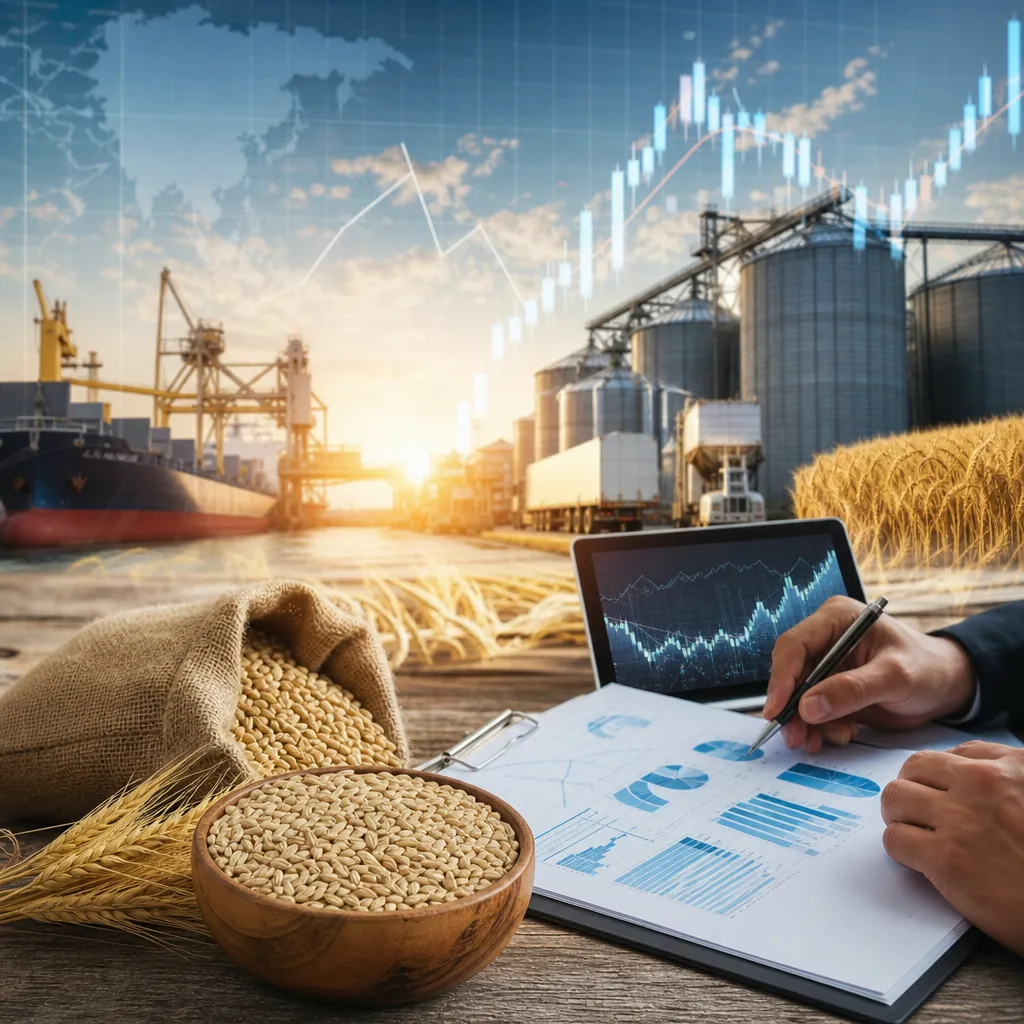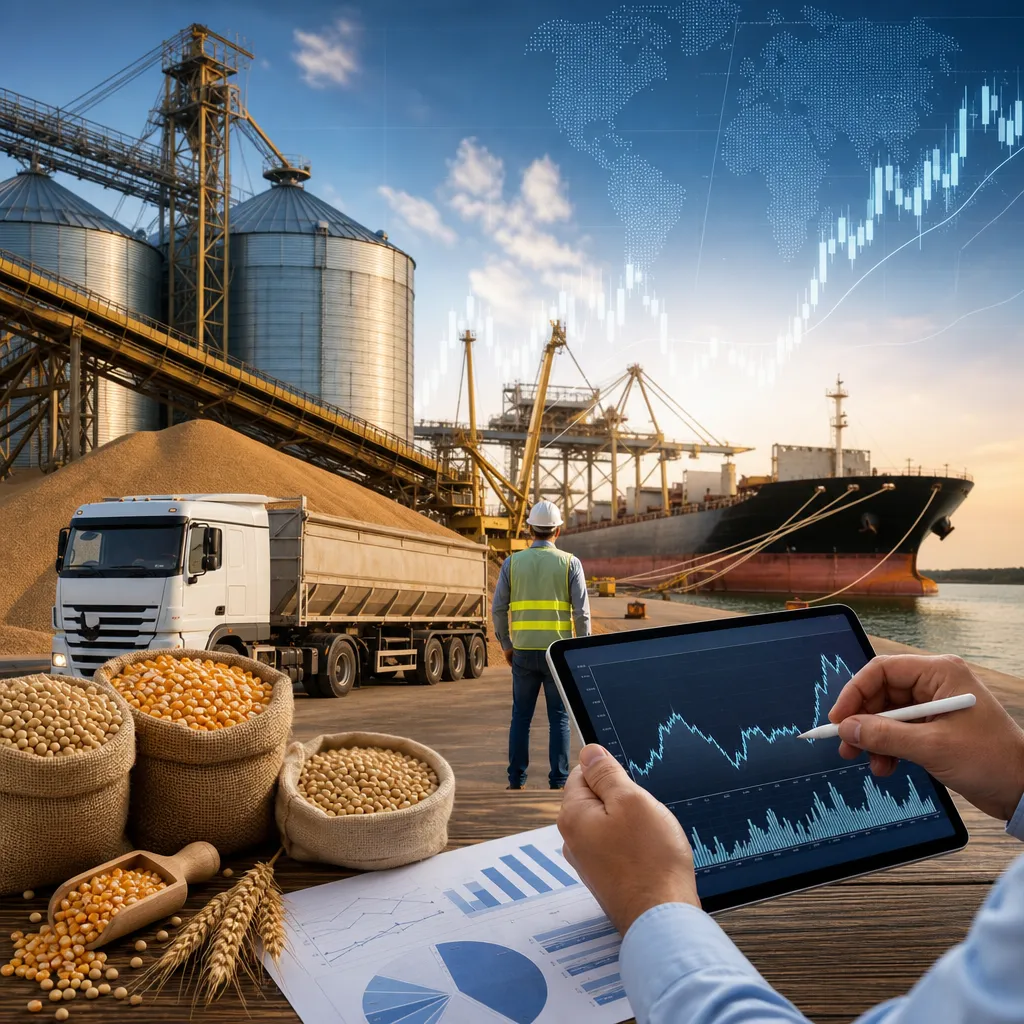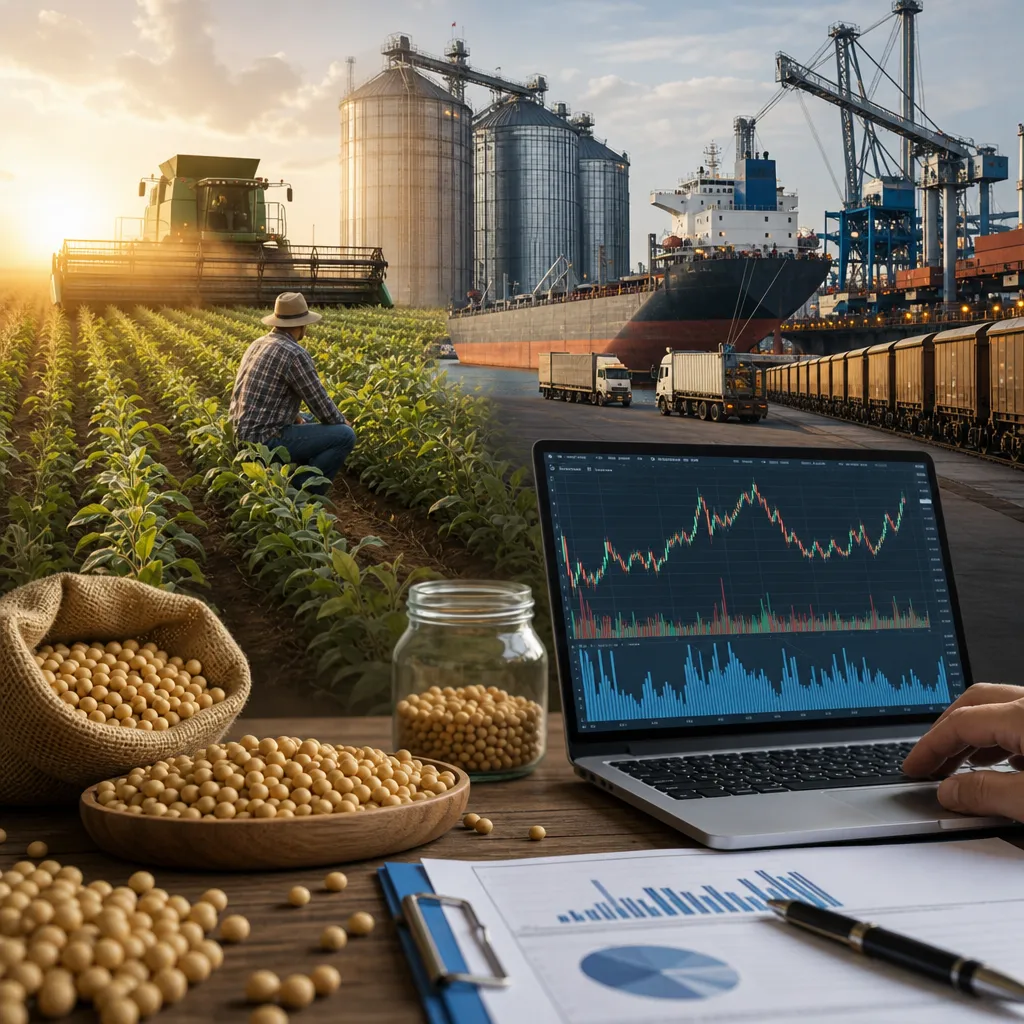
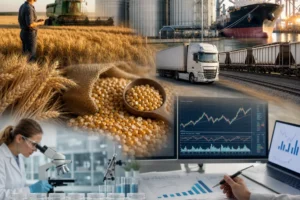
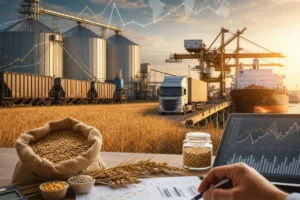
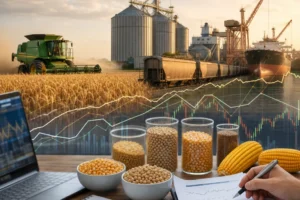
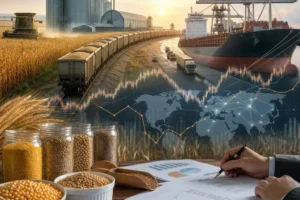
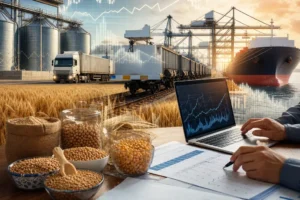
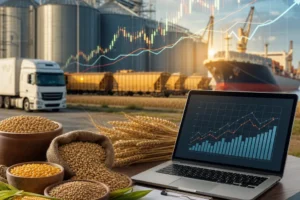
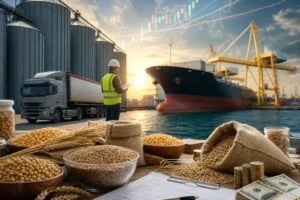
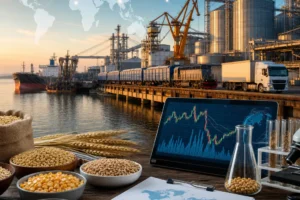
The global grain industry relies on an intricate network of intermediaries who bridge the gap between farmers and end consumers. At the heart of this system, traders facilitate the smooth movement of commodities such as wheat, corn, barley and rice across multiple borders. Their expertise in handling complex transactions, negotiating contracts and forecasting market trends proves crucial to maintaining stable supplies and competitive prices. As modern agriculture faces shifting weather patterns, changing consumer preferences and evolving policy frameworks, understanding the role of these market agents in the broader value chains becomes ever more essential.
Understanding the Grain Value Chain Landscape
Grain value chains encompass every stage of production, from field preparation and planting to storage, processing and final delivery. Each link involves decisions about resource allocation, quality control and risk mitigation. Farmers grow and harvest the crop, but without effective channels to move grain from remote silos to processing plants and export terminals, bottlenecks can quickly emerge. This is where professional traders deliver immense value:
- They assess global demand trends and identify optimal markets for surplus crops.
- They coordinate freight, inland transport and port logistics to minimize delays.
- They uphold quality standards by arranging inspection, grading and certification processes.
- They connect producers, cooperatives and smallholder groups with large processors, food manufacturers and feed millers.
By linking agricultural supply to consumer demand, traders help stabilize prices and reduce waste. Their ability to negotiate forward contracts protects farmers against sudden market swings, while buyers gain predictable access to consistent volumes and grades of grain.
Key Functions of Grain Traders
At the core of their operations, grain traders perform a variety of essential tasks. These include:
- Price Discovery: Through continuous monitoring of futures exchanges, cash markets and fundamental supply data, traders facilitate accurate price discovery that reflects both local and international conditions.
- Risk Management: By employing tools such as options, forwards and hedging strategies, they shield producers and buyers from adverse price movements.
- Logistics Coordination: Effective logistics management, including trucking, rail, barge and shipping line contracts, ensures timely deliveries and reduces carrying costs.
- Warehouse and Storage Services: Traders often invest in or partner with silo operators, enabling strategic stockpiling to capture seasonal price differentials.
- Financial Bridging: Acting as financiers, they provide working capital advances to growers during the post-harvest period, bridging the gap until sale proceeds arrive.
These functions collectively support a responsive and resilient grain ecosystem, allowing supply to adapt to demand surges, biofuel mandates or humanitarian relief needs.
Risk Management and Price Volatility
Grain markets are renowned for their sensitivity to external shocks. Weather anomalies, geopolitical tensions, currency fluctuations and changes in policy can cause dramatic price volatility. Professional traders employ sophisticated risk management frameworks that include:
- Futures and Options: By locking in minimum selling prices or maximum purchase costs, they create safety nets against adverse price moves.
- Diversified Portfolios: Spreading exposure across multiple grain types and geographic regions reduces the impact of localized crop failures.
- Scenario Analysis: Advanced modeling tools simulate potential market disruptions, guiding preemptive adjustments in trading positions.
Through these mechanisms, traders provide critical liquidity and market depth. Farmers benefit from more stable revenue expectations, while consumers and processors enjoy reliable procurement channels even during turbulent periods.
Technological Innovations and Digital Platforms
Recent years have witnessed a surge in digitalization across the grain sector. Technology-driven solutions are reshaping traditional roles:
- Electronic Trading Platforms: Online marketplaces streamline contract negotiations, auctions and real-time pricing updates.
- Data Analytics and AI: Machine learning algorithms analyze weather forecasts, satellite imagery and shipment data to deliver actionable insights.
- Blockchain and Distributed Ledgers: Immutable records enhance supply chain transparency, ensuring every ton of grain can be traced back to its origin.
These tools empower traders to make quicker, more informed decisions. Automated workflows reduce paperwork errors, while end-to-end visibility fosters trust among stakeholders seeking ethical sourcing and compliance with food safety regulations.
Challenges and Opportunities in Grain Trading
Despite its scale, the grain trading industry faces multiple hurdles. Infrastructure gaps—such as limited rail capacity in landlocked regions or insufficient port handling equipment—can choke supply routes. Changing trade policies, import tariffs and phytosanitary barriers add layers of regulatory complexity. Additionally, rising demand for environmentally friendly practices pushes traders to incorporate sustainability metrics into sourcing decisions.
Yet new prospects emerge as well:
- Growing Middle Classes: Expanding consumer markets in Asia and Africa drive demand for higher-value grains and processed products.
- Biofuel Expansion: Renewable energy mandates boost corn and rapeseed oil use for ethanol and biodiesel production.
- Traceable Sourcing: Consumers and retailers increasingly require proof of origin, prompting investments in traceability frameworks and certification schemes.
Grain traders positioned to navigate these dynamics can unlock significant value through strategic alliances, diversified portfolios and compliance-driven market access.
The Future of Grain Trading and Value Chains
Looking ahead, the grain sector will continue evolving under pressure from climate change, population growth and technological advancement. Traders who harness digital ecosystems, foster collaborative partnerships and adapt to sustainability expectations will remain at the cutting edge of value chains. Rapid advancements in precision agriculture, remote sensing and predictive analytics promise to refine supply forecasting, while innovative financing models may democratize market access for smallholder farmers. In this dynamic environment, the expertise and network of professional grain traders will be indispensable for ensuring that fields of wheat and corn translate into plates of food and energy resources worldwide.