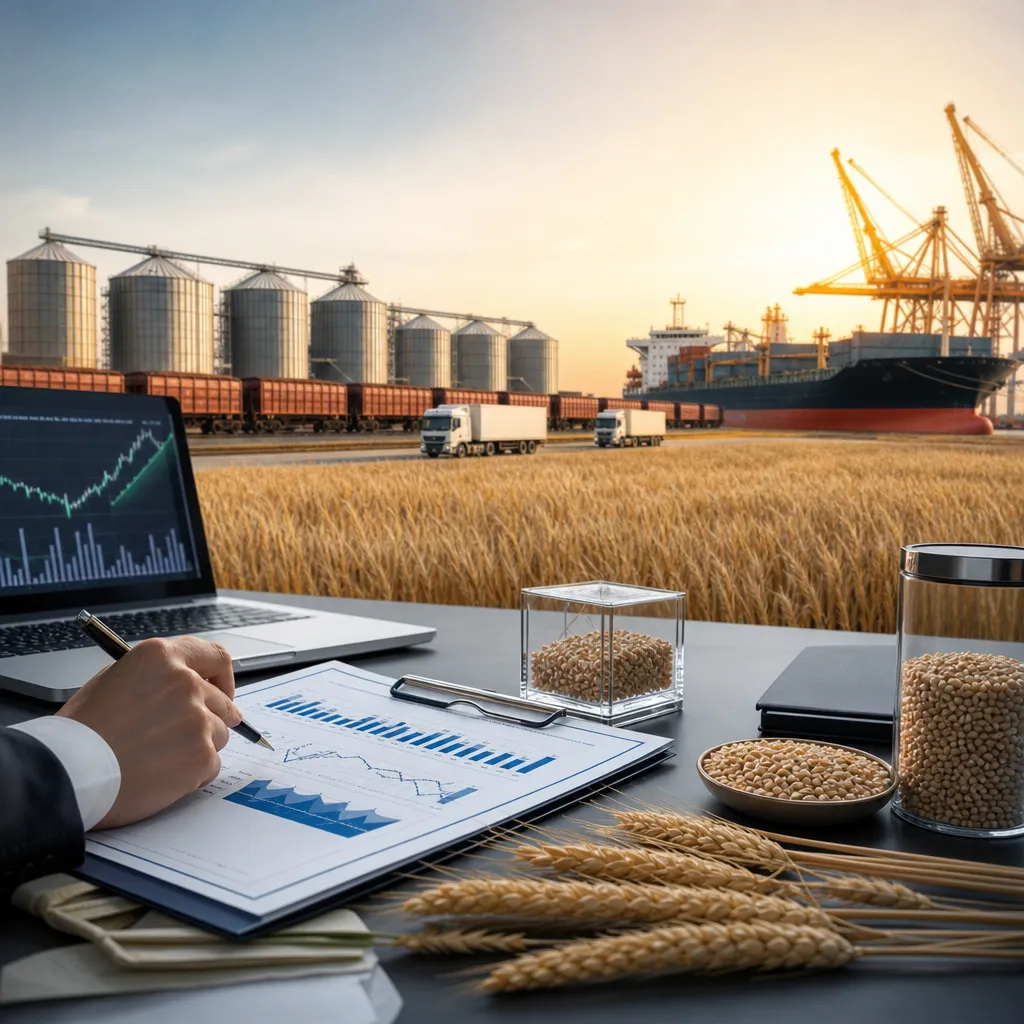


The integration of sustainable finance principles into grain markets is revolutionizing the way agricultural stakeholders manage risk, invest in innovation, and ensure long-term food security. By aligning economic incentives with environmental stewardship, capital flows are increasingly directed towards producers and projects that prioritize resource efficiency, reduced emissions, and social responsibility. This article explores how the evolving landscape of sustainable finance is shaping grain production, distribution, and trade, emphasizing the tools, challenges, and opportunities that define this critical transformation.
Financing the Transition to Sustainable Grain Production
Green Bonds and ESG-Focused Lending
Traditional lending models often fail to reward producers for adopting resilient practices, such as conservation tillage, cover cropping, or precision irrigation. Green bonds and ESG-linked loans have emerged as powerful instruments that tie financing costs to measurable environmental and social outcomes. Through these mechanisms, farmers can access lower interest rates by demonstrating improvements in metrics like soil health, water use efficiency, and biodiversity enhancement.
Key elements of effective green financing models include:
- Clear criteria for eligible expenditures, such as investments in renewable energy, drip irrigation, or nutrient management systems.
- Independent verification by third-party auditors to ensure real-world impact and guard against greenwashing.
- Flexible repayment terms that reflect the seasonality of grain operations and the time lag between investment and yield benefits.
Impact on Smallholder and Large-Scale Producers
Smallholder farmers often face barriers in accessing formal credit, yet they manage a significant share of global cereal production. By leveraging microfinance institutions and tailored ESG products, lenders can extend capital to rural communities, fostering inclusive growth. Conversely, large-scale agribusinesses are issuing sustainability-linked bonds worth hundreds of millions, channeling funds into supply chain traceability systems and carbon reduction strategies.
Market Dynamics and Risk Management in Grain Finance
Addressing Price Volatility
Grain prices are notoriously subject to swings driven by weather events, geopolitical tensions, and shifting demand. Sustainable finance offers risk mitigation tools such as:
- Weather derivatives that compensate producers when extreme conditions reduce yields.
- Insurance products tying premiums to climate indices, incentivizing farmers to adopt adaptive measures.
- Hedging mechanisms integrated into loan agreements to stabilize repayment burdens during downturns.
These instruments encourage adoption of climate-smart agriculture, ultimately reducing systemic exposure to volatility.
Credit Access and Value Chain Finance
Vertical integration and contract farming have unlocked new financing avenues. Grain off-takers and traders collaborate with financial institutions to pre-finance inputs in exchange for future harvests. When coupled with sustainability criteria, these value chain finance models reward suppliers who meet environmental benchmarks. The result is enhanced liquidity for farmers and improved supply chain transparency.
Policy Frameworks and Stakeholder Collaboration
Government Incentives and Regulatory Signals
Public policy plays a pivotal role in directing capital toward sustainable grain production. Subsidies and tax credits for regenerative practices lower the cost of entry, while carbon pricing schemes create economic signals that favor low-emission cropping systems. National frameworks aligned with international commitments—such as the Paris Agreement—help standardize reporting and monitoring requirements, boosting investor confidence.
Multilateral Initiatives and Development Finance
International financial institutions and development banks are scaling up funding for climate-resilient agriculture. Blended finance structures combine concessional loans with private capital, de-risking pilot projects in emerging markets. By supporting cooperative research on drought-tolerant grains and post-harvest storage innovations, these initiatives amplify impact across vulnerable regions.
Innovations and Future Outlook
Blockchain and Digital Traceability
Technological advancements are enhancing the credibility of sustainable finance claims. Blockchain platforms track grain from seed to shelf, recording practices such as fertilizer application, water use, and greenhouse gas emissions. This immutable ledger underpins sustainability-linked debt, allowing investors to verify performance in real time. Digital traceability also benefits consumer brands seeking to certify ethically sourced cereals and flours.
Metrics, Reporting, and Impact Measurement
Robust measurement frameworks are essential for linking finance to on-the-ground outcomes. Common standards—such as the Sustainable Agriculture Initiative (SAI) and the Global Reporting Initiative (GRI)—offer templates for disclosing data on carbon footprint, yield improvements, and social indicators like labor conditions. Advances in remote sensing and data analytics streamline this process, reducing the reporting burden for farmers while increasing transparency for investors.
Emerging Challenges and Opportunities
Key challenges include ensuring equitable access to finance, avoiding unintended consequences of stringent lending criteria, and harmonizing diverse sustainability standards. Yet, opportunities abound. Innovative structures—such as outcome-based financing and pay-for-success models—promise to further align incentives across the value chain. As global demand for cereals continues to rise, sustainably financed grain systems will be critical in balancing productivity goals with environmental preservation.
Empowering Stakeholders and Driving Change
Collaboration among farmers, financial institutions, policymakers, and technology providers is essential to scale sustainable finance solutions. By embedding climate and social considerations into capital allocation, the grain sector can build a more resilient and inclusive future. As stakeholders embrace these models, the benefits will extend beyond farm gates, contributing to food security, rural prosperity, and a healthier planet.