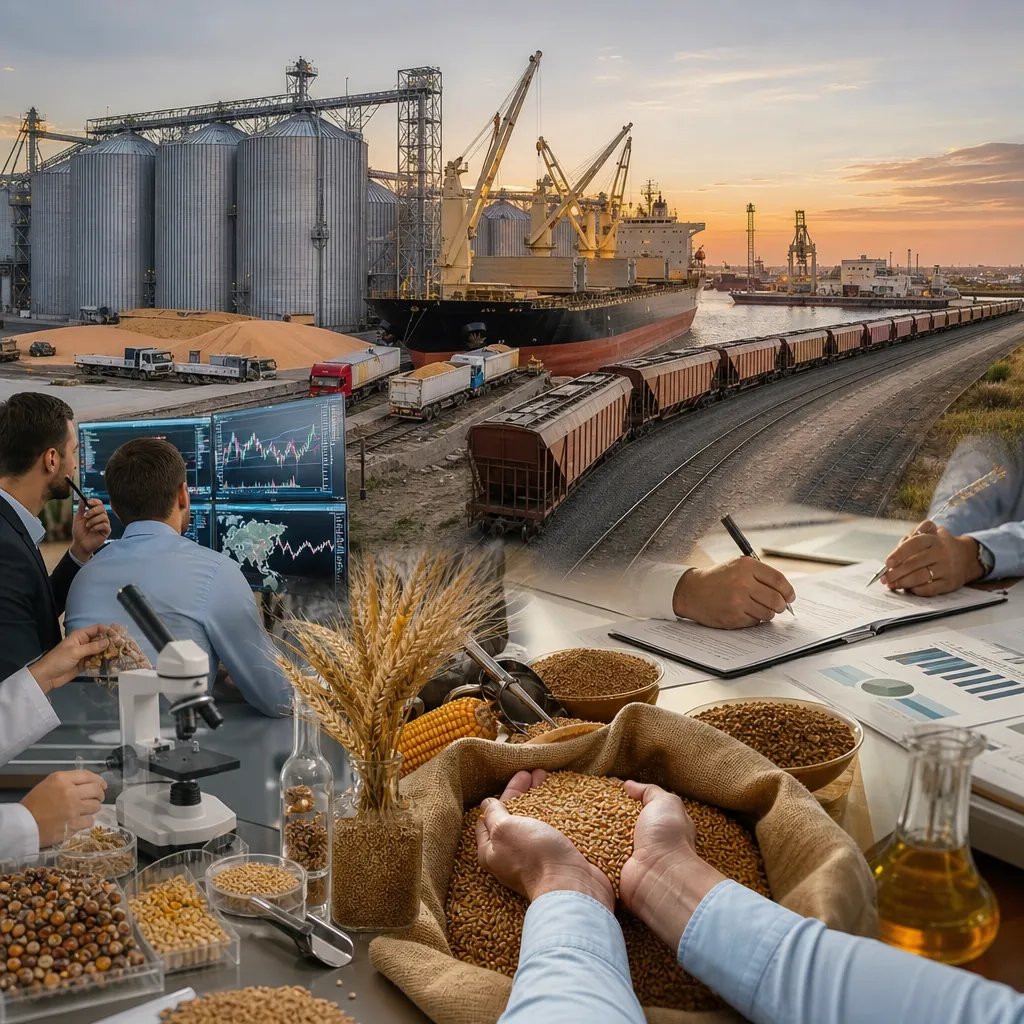

Global agriculture stands at a crossroads as **energy** priorities shift toward cleaner alternatives. Governments worldwide enact **policies** to accelerate the **transition** from fossil fuels to **renewable** sources, altering the landscape for **grain** production and **trade**. This transformation raises questions about land use, commodity prices, supply chain **resilience**, and environmental outcomes for staple crops such as corn, wheat, and soy. By examining the interplay between **biofuels**, carbon regulations, and market **infrastructure**, stakeholders can better understand how energy agendas reshape global grain flows.
Energy Transition Policies and Agricultural Markets
The drive to **decarbonize** economies has led to a mix of regulatory measures—including carbon pricing, renewable portfolio standards, and subsidies for green technologies. While aimed at reducing **emissions**, these measures produce ripple effects across farming communities. For example, a carbon tax on fossil fuels can increase the cost of diesel-run farm machinery, fertilizers, and irrigation pumps. Higher input costs often translate into greater production expenses for grain farmers, pushing domestic prices upward.
In parallel, mandates for renewable energy compel utilities to blend a percentage of **biofuels** or biomass into their fuel supply. As demand for agricultural feedstocks rises, competition between energy and food uses intensifies. Corn and sugarcane, long used for ethanol, become even more valuable, spurring changes in crop rotation and land allocation. Farmers may shift acreage from wheat or barley to corn, seeking higher returns tied to biofuel markets. Such shifts can trigger regional imbalances in supply, affecting both exports and consumer food prices.
Another critical aspect is government support for advanced bioenergy projects. Grants and tax credits for cellulosic ethanol or biogas plants create new rural investment opportunities. However, smallholders often lack the capital to participate, favoring large agribusinesses. This dynamic can exacerbate consolidation trends within the grain sector, potentially undermining market **competition**. The uneven distribution of benefits also raises socio-economic considerations, from rural employment to land tenure disputes.
At the same time, environmental regulations on land use aim to curb deforestation and protect sensitive ecosystems. Strict enforcement of sustainable sourcing rules for biomass feedstock may restrict expansion of grain cultivation into forest margins. While such protections help conserve **biodiversity**, they can limit the availability of inexpensive land for energy crops. Balancing forest preservation with expanding biofuel production poses a complex policy dilemma for many **governments**.
Biofuel Mandates and Grain Demand Shifts
Biofuel mandates represent one of the most direct pathways through which energy policies influence grain markets. In regions like North America and the European Union, legally binding volumes of ethanol or biodiesel drive substantial feedstock consumption. The U.S. Renewable Fuel Standard, for instance, sets annual targets for ethanol blending, making corn-to-ethanol conversion a cornerstone of domestic policy. Similarly, the EU’s Renewable Energy Directive encourages biodiesel from vegetable oils, indirectly affecting soy and rapeseed markets.
These mandates can be dissected into short-term and long-term effects. In the short term, increased demand for ethanol raises commodity prices, generating windfall gains for grain exporters. However, sustained high prices also encourage substitution—mills may pivot to cheaper feed alternatives or invest in feedstock efficiency innovations. Livestock producers, facing steeper costs for grain-based feed, often pass expenses down the supply chain, impacting meat and dairy prices for consumers.
Over the longer horizon, continued policy support fosters investment in next-generation biofuels using nonfood biomass, such as cereal straw or sugarcane bagasse. Such technologies promise to relieve pressure on grain markets, but they remain expensive and technically challenging. Governments are experimenting with public–private partnerships to scale up these solutions. Success here could decouple biofuel growth from direct grain demand, creating a more sustainable synergy between energy **security** and food supply.
Alongside blending quotas, trade instruments like import tariffs and embargoes further shape grain flows. Countries seeking to protect domestic biofuel industries may impose duties on foreign ethanol, indirectly safeguarding local corn farmers. Conversely, free-trade agreements can open markets to surplus grain, stabilizing prices but potentially weakening protections for smaller producers. These complex policy webs often lead to unintended consequences, necessitating constant adjustment and negotiation among trading partners.
Trade Dynamics, Infrastructure, and Market Volatility
Energy-driven shifts in grain demand place new burdens on logistics networks. Increased throughput at ports, rail lines, and inland terminals may require infrastructure upgrades to accommodate both food and fuel shipments. In regions with inadequate capacity, bottlenecks can lead to storage shortages and elevated transportation rates. Such inefficiencies manifest as price premiums for well-connected producers and higher costs for import-dependent nations.
Additionally, volatility in energy markets often correlates with swings in grain prices. For example, spikes in crude oil can make ethanol more attractive relative to pure gasoline, rapidly boosting corn demand. Conversely, periods of low oil prices undermine biofuel competitiveness, dampening feedstock purchases. This interplay creates cyclical patterns that challenge traders and risk managers, who must hedge against both fossil and agricultural price risks simultaneously.
Weather-related disruptions add yet another layer of complexity. Extreme events—droughts, floods, heatwaves—can compromise grain yields and energy infrastructure alike. A severe drought may force power rationing at biofuel plants, reducing ethanol supply even as crop shortfalls drive up raw material costs. Integrating climate resilience measures into policy planning is therefore essential to ensure stable grain trade under evolving energy regimes.
To navigate these challenges, market participants increasingly leverage digital tools and data analytics. Real-time monitoring of crop conditions, coupled with energy demand forecasts, enables more agile decision-making. Blockchain platforms also promise greater transparency in supply chains, verifying sustainability criteria and optimizing logistics. By harnessing advanced technology, stakeholders can mitigate some risks introduced by the energy transition, fostering a more **resilient** and **efficient** global grain market.