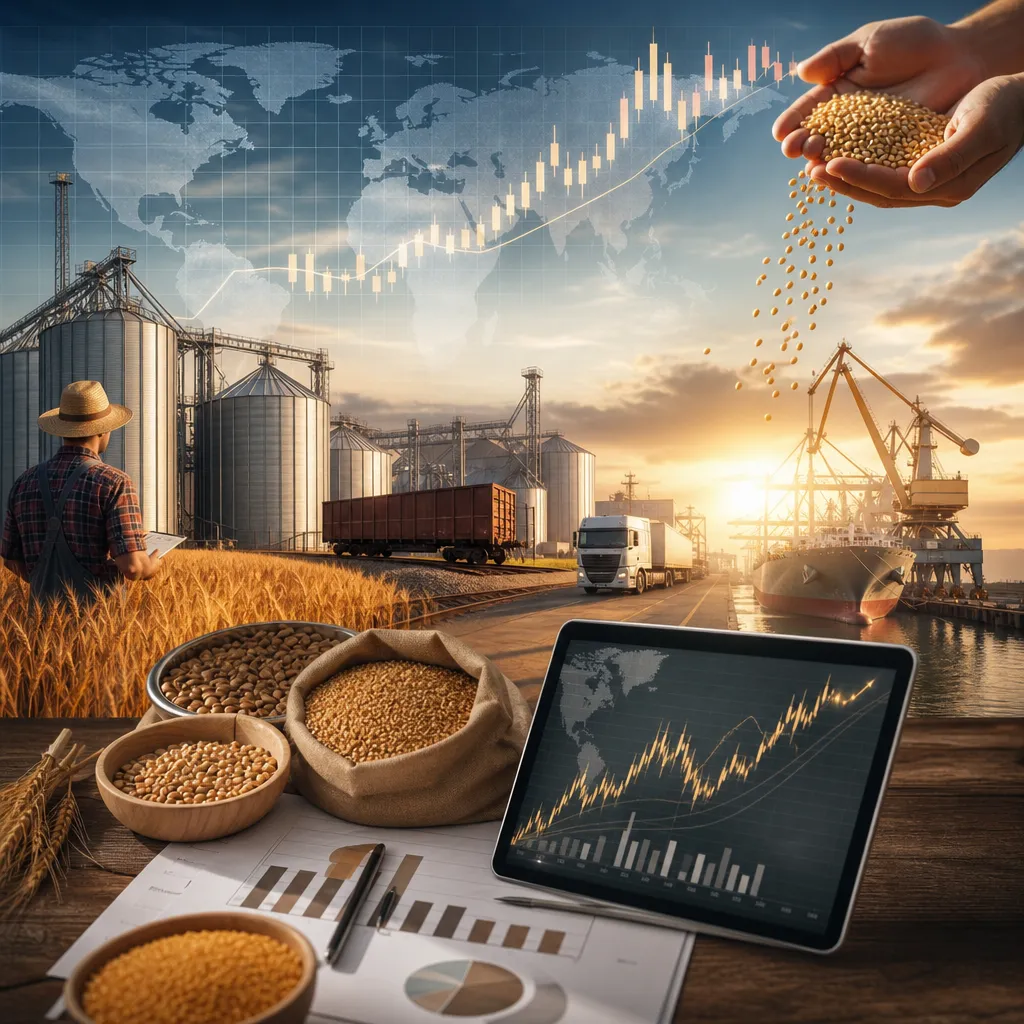
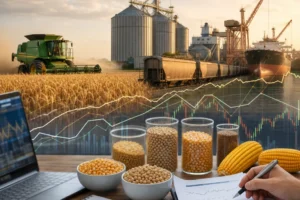

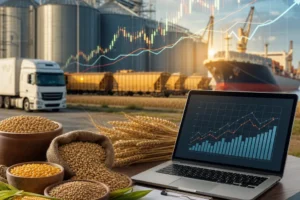
The grain sector stands at the crossroads of global food security and economic growth. As demand patterns shift and consumers seek higher-quality products, the role of infrastructure investment has become increasingly vital. Upgrading transport networks, modernizing storage facilities, and deploying advanced technology are not just cost centers—they unlock new levels of competitiveness for producers and traders. The following analysis explores the multifaceted ways that targeted capital deployment transforms the grain market landscape, boosts efficiency, and supports long-term sustainability.
Linking Fields to Markets: Transportation Networks
Efficient transportation systems form the backbone of any high-performance agricultural economy. When roads, railways, and inland waterways are upgraded, farmers and exporters gain timely access to domestic and international buyers. Delays caused by poor roads or congested ports can translate into quality degradation and price discounts. By investing in:
- Expanded highway corridors capable of handling heavy equipment
- High-capacity rail lines with modern rolling stock
- Deep-water ports and river terminals equipped with bulk loaders
stakeholders reduce transit times and enhance the predictability of shipments. Shorter routes and higher average speeds also lower fuel consumption and reduce the carbon footprint of grain movements, aligning the sector with global sustainability objectives.
Preserving Quality: Advanced Storage and Handling
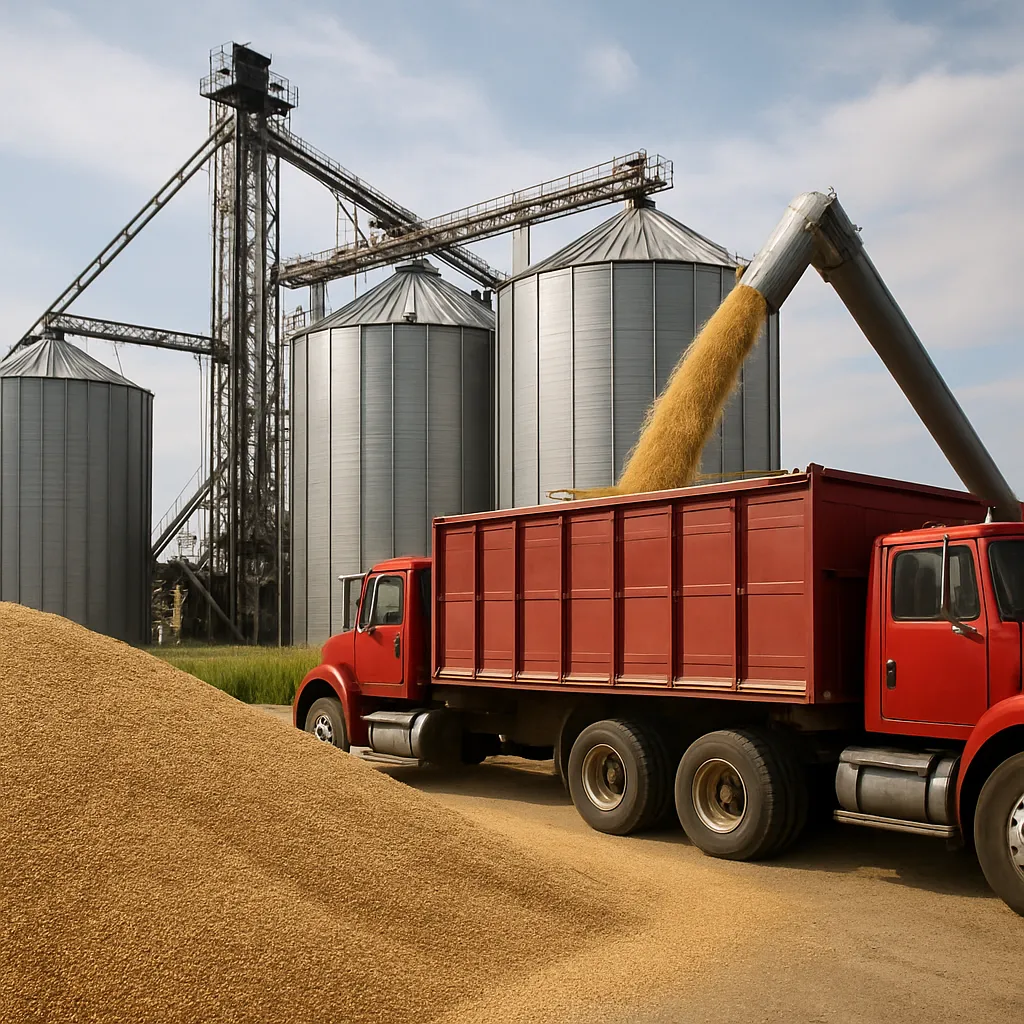
Post-harvest losses can erode the value of harvested grain by up to 20 percent in some regions. Deploying modern storage solutions—such as aerated silos, climate-controlled warehouses, and automated sampling systems—minimizes spoilage, insect infestation, and moisture damage. Key components include:
- Humidity control units that maintain optimal conditions throughout the year
- Smart sensors that provide real-time data on temperature and moisture levels
- Automated conveyors and bucket elevators that reduce manual handling and contamination risks
By preserving quality from harvest to departure, producers can command premium prices and meet the stringent specifications of international buyers. Improved storage infrastructure also increases shelf life, enabling grain to be moved during more favorable market windows rather than forced sales after harvest peaks.
Optimizing Supply Chains: Digital Platforms and Logistics
The infusion of digital technology into logistics management has revolutionized the grain trade. Cloud-based platforms now allow real-time tracking of shipments, predictive maintenance of critical assets, and dynamic route optimization. Key benefits include:
- Enhanced transparency for material flows, reducing misrouting and theft
- Predictive analytics that anticipate maintenance needs for trucks and storage units
- Automated documentation processes, cutting down administrative delays at border crossings
Integration of warehouse management systems (WMS) and transport management systems (TMS) under a unified digital umbrella raises overall efficiency levels. Grain handlers can better synchronize loading and unloading schedules, avoid bottlenecks, and adapt to shifting supply and demand conditions. This digital leap ensures every link in the value chain contributes to higher yield realization and cost savings.
Financing Growth: Capital Strategies and Policy Support
Substantial investment is necessary to build and maintain world-class grain infrastructure. Public-private partnerships (PPPs), concessional loans, and infrastructure bonds have emerged as effective financing tools. Governments play a pivotal role by offering:
- Tax credits for infrastructure projects that benefit rural communities
- Loan guarantees to lower the risk for private lenders
- Grants for technology adoption in logistics hubs
In parallel, regulatory frameworks must incentivize long-term capital commitments rather than short-term cost cutting. Streamlined permitting processes, land-use planning aligned with transport corridors, and transparent tariff structures further attract investment. When policy and finance converge on clear infrastructure priorities, grain markets unlock higher productivity and stronger export performance.
Achieving Global Impact: Case Studies and Future Directions
Several regions have demonstrated how strategic infrastructure spending can transform rural economies and enhance global market share. In one notable initiative, a corridor linking inland grain producing zones to coastal ports reduced shipping times by 30 percent and enabled farmers to access new export destinations. In another example, the introduction of solar-powered silo aeration cut energy costs by half while preserving grain integrity. These success stories illustrate the synergy between technology, capital, and governance.
Looking ahead, investment priorities will increasingly focus on:
- Digital logistics integration for end-to-end traceability
- Renewable energy solutions to power remote storage facilities
- Climate-resilient transport networks that withstand extreme weather events
By continuing to channel resources into smart infrastructure, the grain sector stands to gain from enhanced competitiveness, more stable supply chains, and expanded global reach.