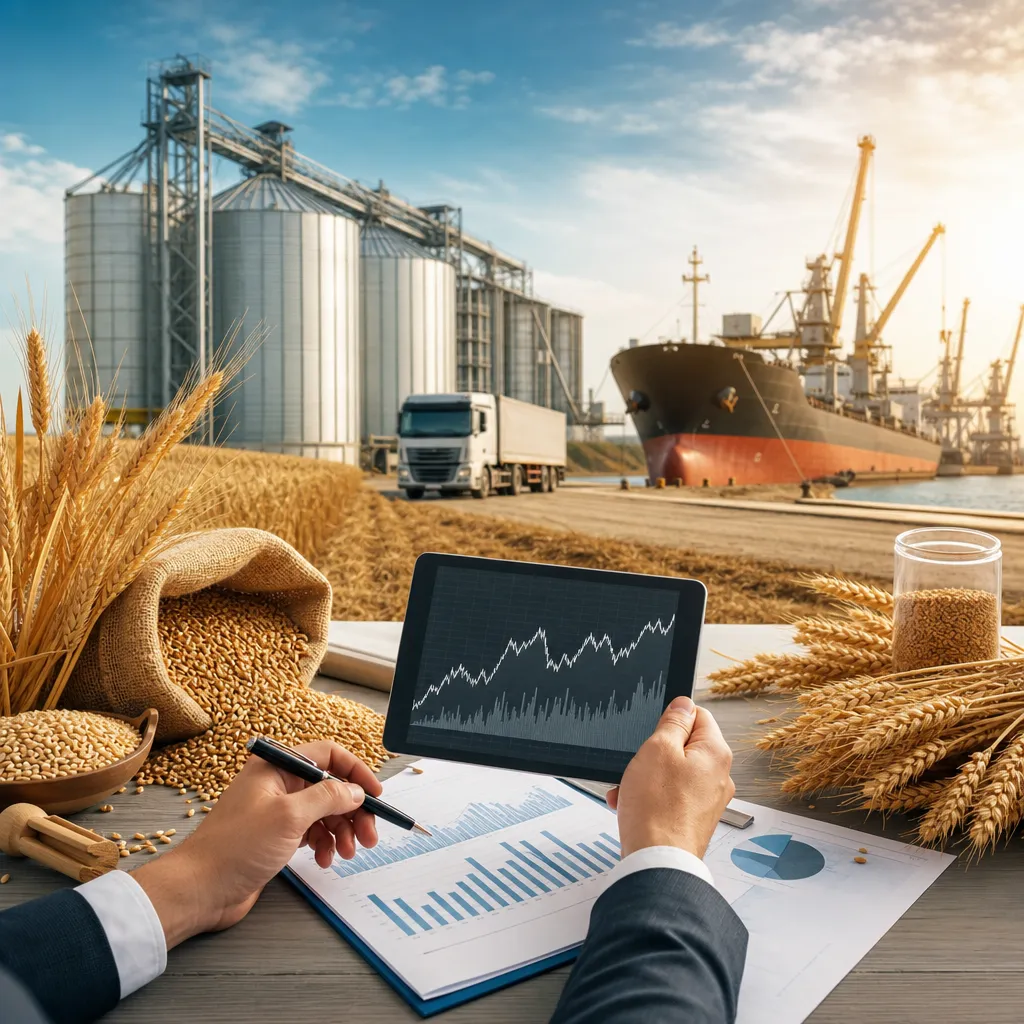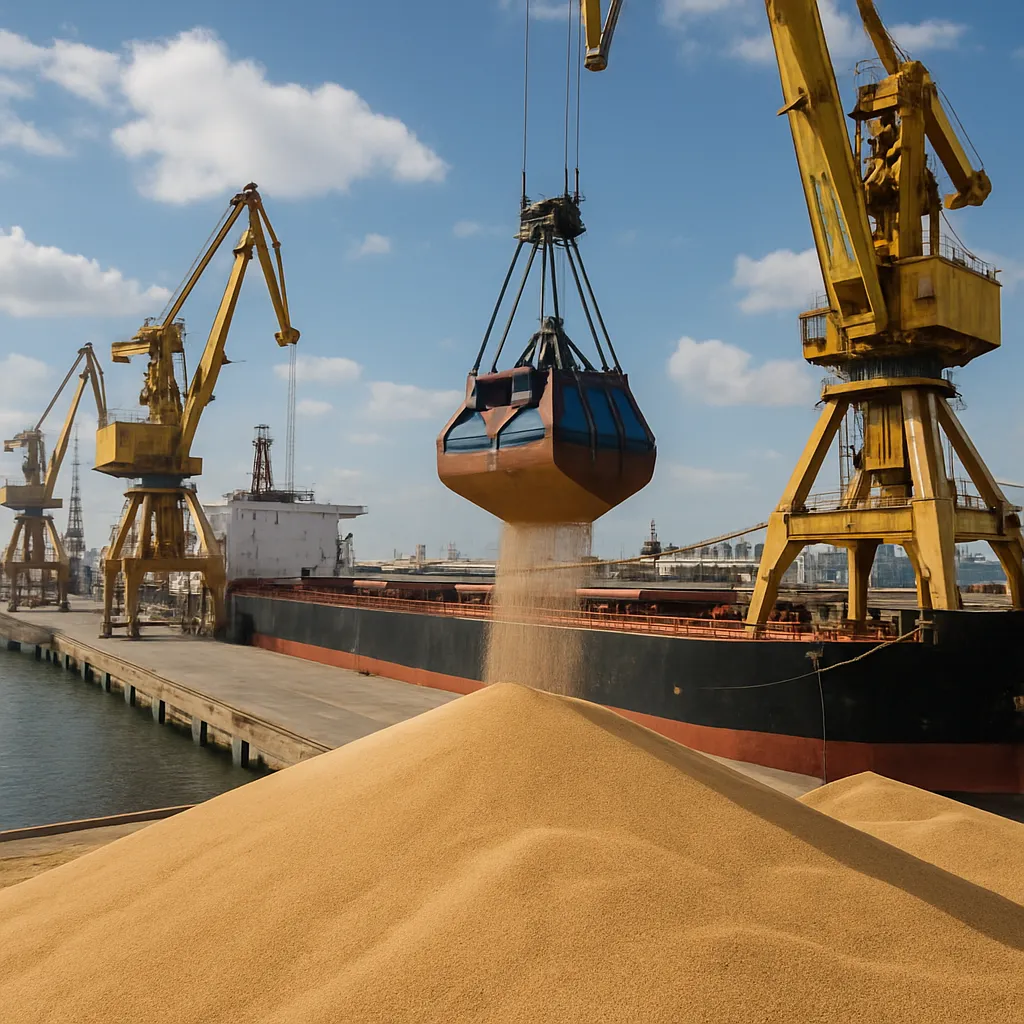


The global grain trade is intricately tied to the ever-changing dynamics of the maritime freight market. Fluctuations in freight rates, vessel availability, and geopolitical tensions all cascade down the supply chain, directly affecting exporters, importers, and ultimately consumers. By examining the key drivers behind freight market volatility and their ripple effects on grain exports, stakeholders can develop more robust strategies to navigate uncertainties and safeguard food security worldwide.
Understanding Freight Market Volatility and Its Drivers
Freight market volatility refers to the rapid and often unpredictable changes in shipping rates and vessel availability. Several factors converge to create an environment of uncertainty:
- Fuel prices: As bunker fuel accounts for a significant portion of shipping costs, spikes in crude oil prices lead carriers to adjust freight rates upward. Conversely, periods of low fuel costs can trigger aggressive pricing and capacity expansions.
- Global demand shifts: Economic growth in key importing nations can surge demand for grains like wheat, corn, and rice. When demand outpaces available shipping capacity, freight rates climb sharply.
- Geopolitical tensions: Trade sanctions, regional conflicts, and piracy threats force rerouting of vessels along longer or less secure corridors, raising insurance premiums and operational costs.
- Supply chain disruptions: Port congestion, labor strikes, and natural disasters can create bottlenecks. Grain exporters facing delays must contend with demurrage charges and uncertain arrival times.
- Seasonal patterns: Harvest seasons in major exporting countries like the United States, Brazil, and Australia drive peaks in export volumes. Carriers may reposition fleets accordingly, leading to seasonal rate spikes.
These drivers are interlinked. For instance, a surge in demand from China following policy shifts can coincide with port congestion in Southeast Asia, amplifying rate volatility. Grain exporters, therefore, need to monitor a complex web of indicators beyond just vessel availability.
Impacts on Grain Exporters and Supply Chains
Freight market volatility exacts a toll on both cost structures and logistical planning. Exporters must cope with several challenges when rates swing unpredictably:
Cost Management and Contracting
Long-term contracts can provide some insulation against sudden rate hikes, but they come with trade-offs:
- Fixed-rate contracts reduce exposure to market peaks but may become costly if rates decline.
- Spot market reliance allows flexibility but introduces budget uncertainty and complicates pricing commitments to buyers.
- Complex hedging strategies, including freight derivatives and forward freight agreements (FFAs), require expertise and may not be accessible to smaller exporters.
Operational Efficiency and Routing
High freight rates incentivize carriers to optimize routes and minimize idle time. Grain exporters can benefit by:
- Leveraging dedicated grain corridors and bulk terminals with specialized equipment to speed up loading and unloading.
- Collaborating with shipping alliances to secure vessel space and better predict available capacity.
- Using digital platforms for track-and-trace services, which enhance transparency on vessel schedules and port slots.
Cash Flow and Working Capital
When shipping costs spike, payment terms may shift unfavorably. Exporters often face pressure to advance payments or finance inventory tied up in transit. This scenario can erode margins, especially for small and medium-sized enterprises (SMEs), forcing them to:
- Seek trade finance solutions such as letters of credit or export credit insurance.
- Negotiate extended payment terms with buyers, which can strain relationships if not managed carefully.
- Adjust pricing models to incorporate anticipated freight fluctuations, passing some risk to end customers.
Strategies to Mitigate Freight Volatility Risks
Proactive risk management is essential for grain exporters seeking to maintain competitive pricing and reliable delivery schedules. Key approaches include:
Diversification and Flexibility
- Maintain a balanced portfolio of contracts: blend spot, term, and hedged positions to balance cost certainty with market-responsive opportunities.
- Explore alternative shipping modes: inland barge transport, rail corridors, and feeder services can provide supplementary capacity when ocean freight spikes.
- Develop relationships across multiple carriers: strong partnerships create leverage for better rates and priority loading.
Data-Driven Forecasting
Advanced analytics and real-time intelligence platforms empower exporters to anticipate shifts in freight rates. By integrating weather data, fuel price projections, port congestion indices, and geopolitical risk assessments, companies can:
- Generate scenario-based forecasts to inform contract bidding and budget planning.
- Adjust loading schedules in response to imminent port delays or carrier repositioning.
- Implement price escalation clauses in sales contracts to protect against sudden cost surges.
Collaboration and Industry Alliances
Collective action among exporters, carriers, and trade associations can foster greater resilience:
- Shared investment in port infrastructure upgrades reduces turnaround times and alleviates congestion.
- Pooling cargo volumes through cooperatives can unlock volume discounts and stable service contracts.
- Advocating for streamlined customs procedures and transparent regulations enhances overall supply chain fluidity.
Sustainability and Technological Innovation
While driving down costs, grain exporters must also consider the environmental impact of long-distance transport. Key initiatives include:
- Adopting cleaner fuels and exploring alternative propulsion technologies to lower carbon footprints.
- Implementing blockchain-based documentation to reduce paperwork and accelerate clearances.
- Utilizing IoT-enabled cargo sensors to optimize vessel loading patterns and maximize capacity utilization.
These measures not only address regulatory pressures but can also deliver operational savings, further mitigating exposure to volatile freight costs.
Outlook: Building a Robust Grain Export Framework
In a market characterized by shifting trade dynamics and persistent uncertainties, exporters must embed flexibility, data intelligence, and collaborative approaches into their core operations. By leveraging advanced forecasting tools, diversifying transport modalities, and forging strategic alliances, the grain trade community can navigate freight market volatility with greater confidence. Ultimately, these efforts will reinforce global food supply chains, ensuring that grain moves efficiently from field to fork, regardless of the seas’ ever-changing tides.