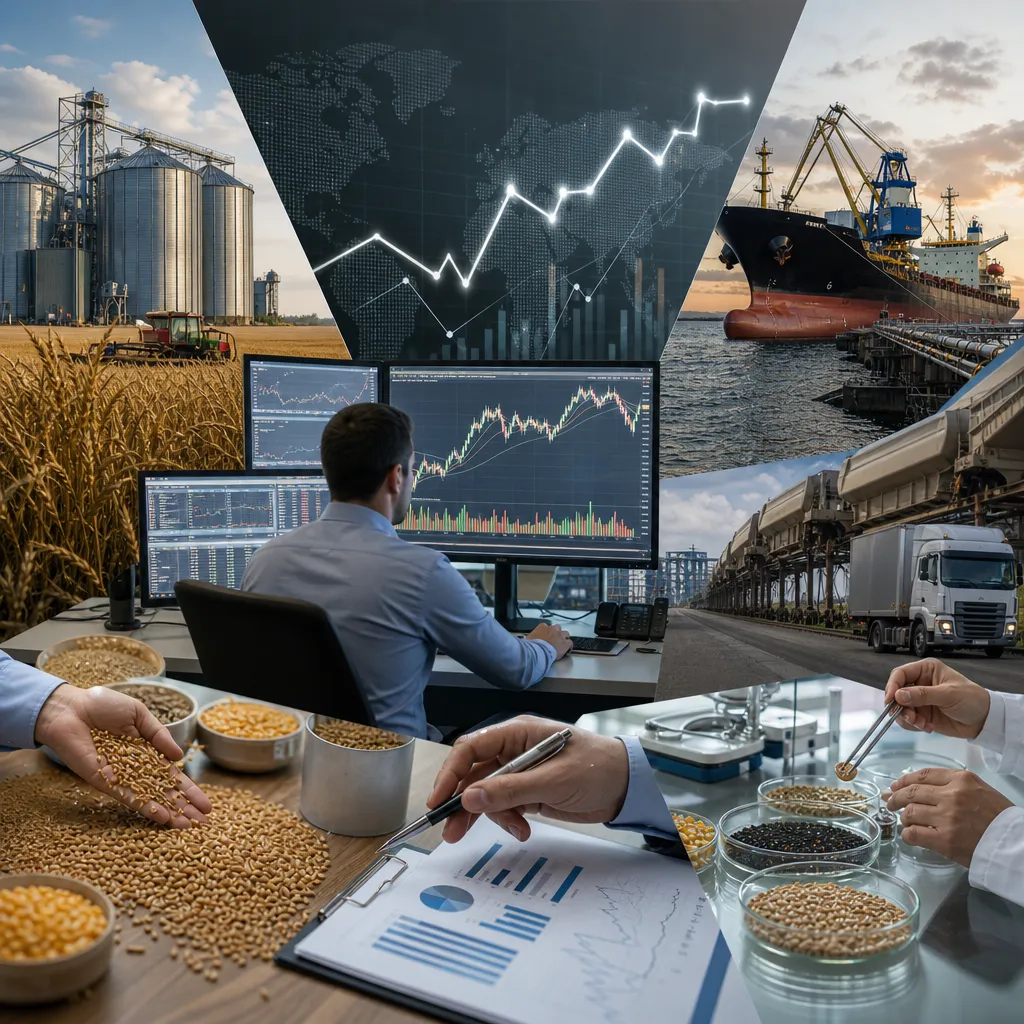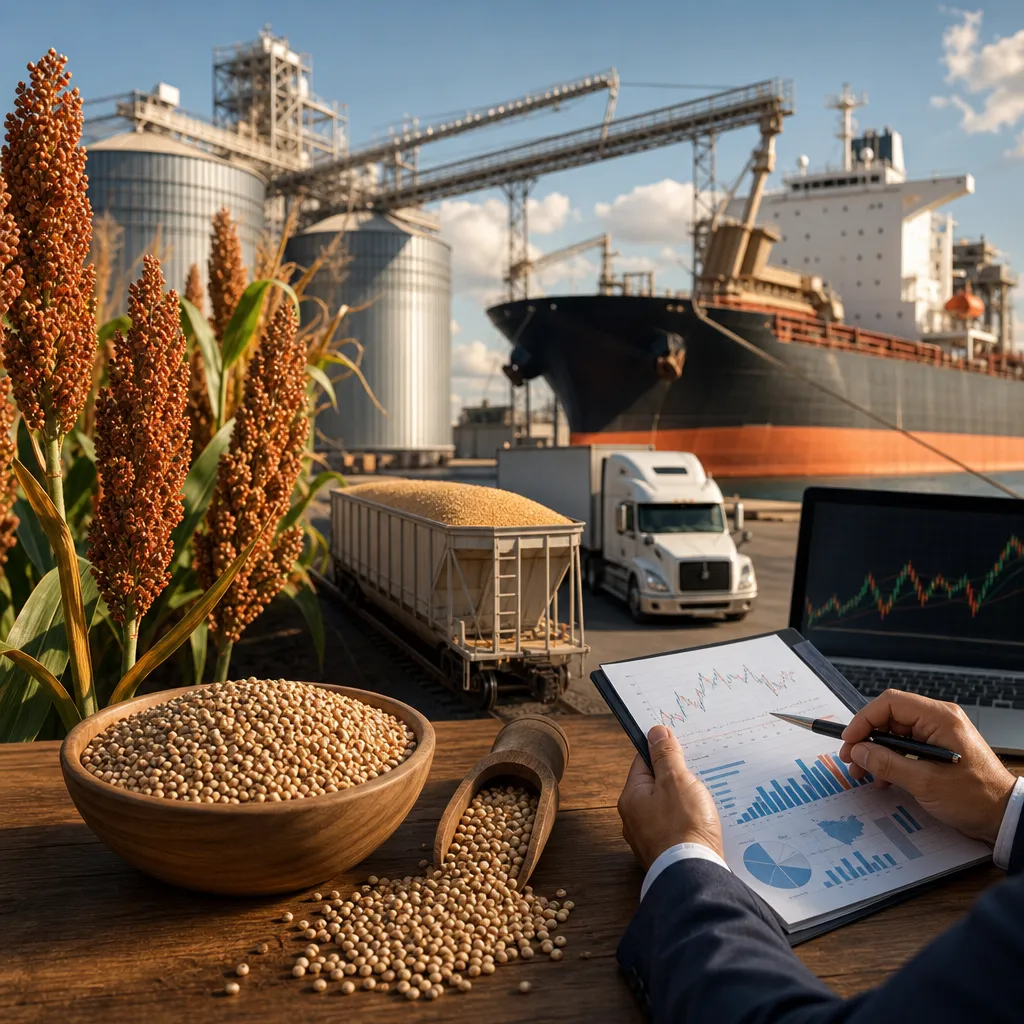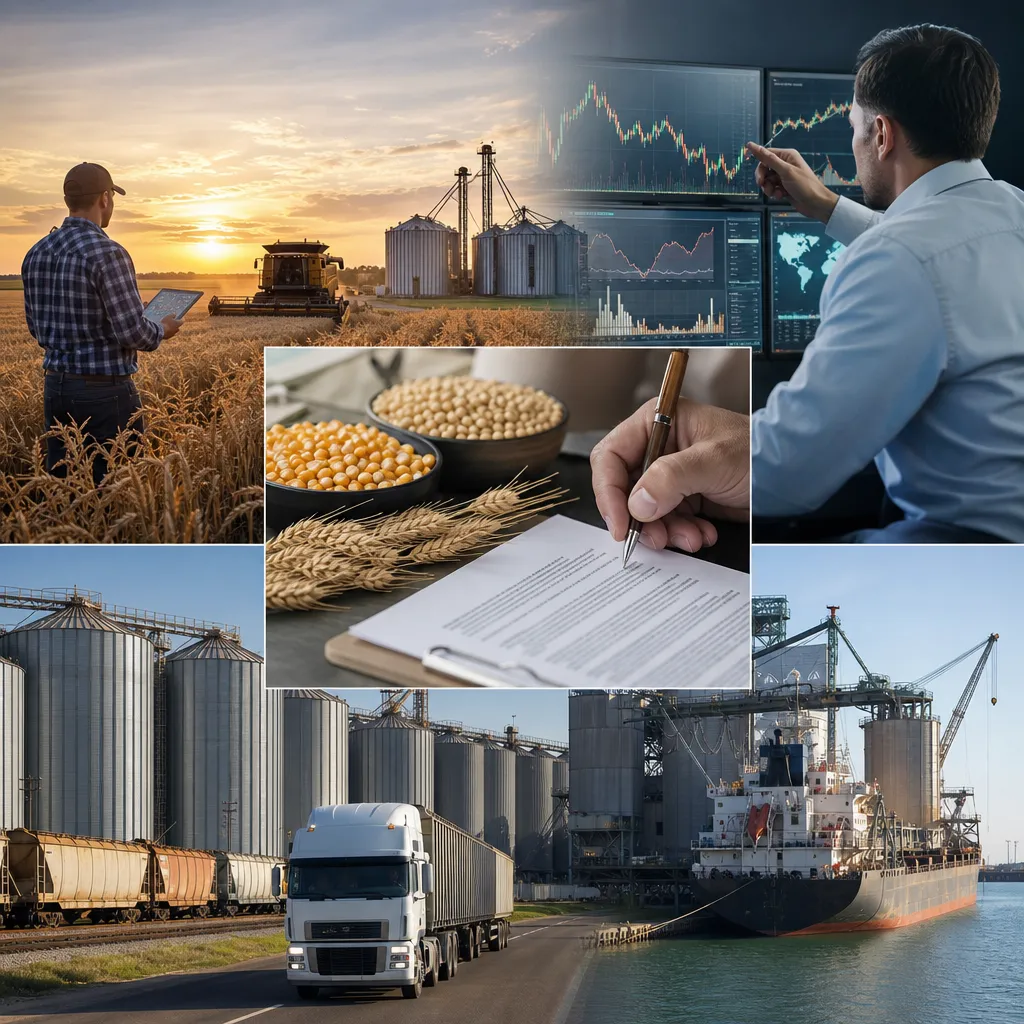

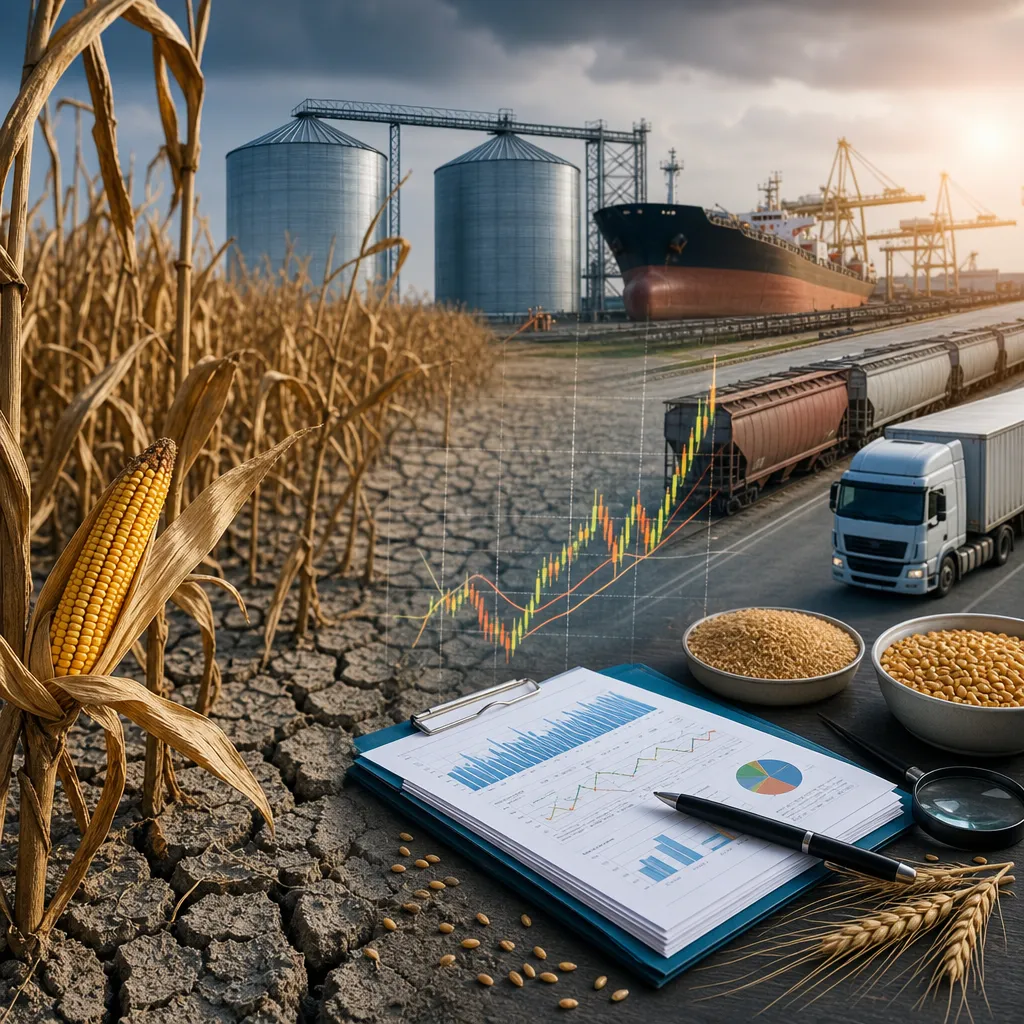
Drought is one of the fastest ways to change grain prices because it directly threatens yield, quality, and confidence in supply. Prices usually rise when drought cuts production or creates uncertainty, but the reaction depends on where the drought occurs, which crop is affected, how much stock is already available, and whether other producing regions can offset the loss. In practice, readers need to separate exchange futures prices from local cash grain prices: futures respond quickly on regulated exchanges, while physical prices at elevators, mills, feed plants, or export terminals also reflect basis, freight, storage, and quality. If you want to follow drought impacts accurately, the most useful approach is to watch weather and crop reports together with futures markets and local cash bids.
How drought affects grain prices
Drought reduces soil moisture, stresses crops during critical growth stages, and can lower both yield and grain quality. That can affect wheat protein and test weight, reduce corn pollination success, cut soybean pod fill, and create milling or feed quality issues in several crops. When the market expects less production, buyers compete more aggressively for available supply, and prices often rise.
But the price effect is not automatic or uniform. A drought in one region may be bearish for local basis if grain movement stops and logistics become disrupted, while a larger national or global drought may lift benchmark futures strongly. If stocks are already large, the market may absorb production losses with only a moderate price increase. If inventories are tight, the same drought can trigger sharper moves.
The grains most commonly affected include wheat, corn, soybeans, barley, oats, sorghum, canola, rapeseed, rice, rye, and sunflower seed. The specific price response depends on growth stage. A dry spell before planting matters differently from drought during flowering or grain fill.
| Factor | Typical effect on price | Why it matters |
|---|---|---|
| Lower yield potential | Usually bullish | Less grain available for feed, food, crushing, or export |
| Quality deterioration | Mixed but often supportive for premium grades | Good-quality grain may become scarce even if total tonnage exists |
| Tight stocks-to-use | Amplifies price rises | The market has less buffer against crop losses |
| Alternative origins with good crops | Can limit gains | Importers switch to other exporters or substitute feed ingredients |
| Higher feed or export demand | Supports prices further | Demand competes for reduced supply |
Why futures prices move first, and why local cash prices may differ
When drought news appears, the first visible reaction is often in futures markets. For major crops, benchmark contracts trade on regulated exchanges such as CME Group for corn, soybeans, soybean products, and Chicago wheat contracts, with other contracts available for different regions and crops depending on exchange listing. These markets are electronic, highly visible, and updated throughout the trading session.
However, a farmer or physical buyer does not usually sell grain at the exchange quote itself. The actual local price is normally a cash bid from a grain elevator, cooperative, processor, feed mill, ethanol plant, crusher, merchant, or exporter. That bid is commonly expressed as futures plus or minus a basis. Basis reflects local supply and demand, freight, handling costs, storage pressure, and quality needs.
During drought, futures and basis can move in the same direction or diverge. If a local area has severe crop losses, nearby processors may bid aggressively and basis can strengthen. If a wider region is short of grain but transport is difficult or buyers are covered, basis may not rise as much as futures. This is why checking both components matters.
Where prices are normally checked
- Futures quotes: exchange websites, broker trading platforms, market data vendors, and agricultural analytics services.
- Local cash bids: grain elevator bid sheets, cooperative websites, processor procurement pages, direct merchant quotes, and local market reporting services.
- Official market references: government agricultural market reporting systems, USDA reports for the United States, and equivalent national agencies in other countries.
| Market type | Where it exists | What price it shows | Who uses it |
|---|---|---|---|
| Futures market | Regulated exchange through broker platforms and exchange data feeds | Standardized contract price | Hedgers, traders, merchants, analysts, processors |
| Local cash market | Elevators, cooperatives, mills, feed plants, crushers, exporters | Actual bid at a delivery point | Farmers, physical buyers, merchants |
| OTC physical contract | Direct negotiation with merchant or processor | Negotiated cash or formula price | Commercial counterparties |
| Government market report | Official reporting portals | Surveyed or reported reference values | Farmers, lenders, analysts, risk managers |
Which drought signals the market watches most closely
Markets do not react to “hot weather” in general. They react to measurable risk. The most important variables are rainfall deficits, subsoil moisture, crop condition ratings, vegetation stress, temperature during pollination or flowering, and changes in yield expectations. Traders also compare current weather with seasonal normals and with previous drought years.
In the United States, USDA Crop Progress and condition reports are closely watched for weekly changes in crop ratings and soil moisture. For broader analysis, USDA WASDE reports help connect weather damage to production, ending stocks, and trade flows. Many analysts also combine official data with satellite vegetation indicators and private weather models.
Outside the United States, readers often rely on national agriculture ministries, meteorological agencies, crop monitoring services, and customs/export data. Internationally, FAO and other multilateral sources help frame whether drought is local, regional, or global.
Key public sources and how they are used
- USDA Crop Progress: weekly field conditions and progress; useful for tracking drought stress during the season.
- USDA WASDE: monthly supply and demand balance sheets; shows whether drought-related production losses tighten stocks.
- CFTC Commitments of Traders: positioning data for futures and options; helps show whether funds are heavily long or short during a weather market.
- CME Group contract information: contract specifications, trading hours, delivery terms, and futures price references.
- National weather and crop agencies: drought maps, rainfall anomalies, and official crop assessments.
How farmers, buyers, and traders use drought-driven prices in practice
Different participants respond differently to drought. A farmer may sell incrementally into rallies or hedge expected production carefully to avoid overcommitting a reduced crop. A feed mill may extend coverage earlier because drought threatens higher replacement costs. An exporter may watch origin competitiveness, port lineups, river levels, and freight conditions before pricing sales.
Physical grain is normally bought and sold through elevators, cooperatives, grain merchants, brokers, processors, mills, feed manufacturers, crushers, ethanol plants, and exporters. The practical transaction includes crop type, grade, moisture, delivery point, delivery period, freight responsibility, and payment terms. In drought years, quality clauses become more important because shriveled grain, low test weight, or variable moisture can change discounts sharply.
Storage decisions also become more sensitive. When crops are short, nearby cash bids may improve enough to reward immediate sale. In other cases, a strong weather rally in futures may flatten later if rains arrive, so stored grain carries market risk as well as quality risk.
Using futures and options during drought
Futures and options provide price-risk tools, but they are not the same as physical grain ownership. A futures contract is a standardized exchange-traded instrument. It is accessed through a regulated futures broker and requires a trading account, margin, and risk controls. Most participants close or roll positions before delivery; they do not take warehouse receipts or truck grain to an exchange delivery point.
Options on futures are often used when drought creates large upside uncertainty. A producer may use puts to establish downside protection after a rally, while a buyer may use calls to cap procurement risk. Merchants and processors often combine futures hedges with physical contracts so they can manage basis separately from flat price.
The main risks are leverage, margin calls, basis risk, and mismatch between the hedge instrument and the actual crop or location. Drought can produce large daily moves, so poorly sized positions can become expensive quickly.
Practical distinction
- Online futures trading: done through a futures broker on an exchange-linked platform.
- Physical grain sale: done with an elevator, cooperative, processor, merchant, or end user at a real delivery location.
- Hedge result: depends on both futures movement and local basis, not just the screen price.
Storage, logistics, and quality during drought
Drought affects more than field production. It can change harvest pace, grain size, moisture, and transport economics. Smaller crops can reduce elevator throughput and alter rail, barge, or truck flows. In export-oriented regions, river levels and port logistics can matter almost as much as production itself.
Physical holders of grain should pay attention to inspection and storage quality. Drought-stressed grain may be lighter, more fragile, or more variable. That affects grade, blending potential, and safe storage. Warehouses, on-farm bins, and commercial elevators all remain usable, but operators should verify aeration, moisture management, infestation control, and shrink assumptions carefully.
For commercial transactions, check whether the contract is priced delivered or ex-farm, who pays freight, which quality standard applies, and how discounts are calculated. In drought years, these details can alter the net farmgate price materially.
What usually matters most for price direction after drought starts
Once drought is underway, the market focuses on five questions. First, is the crop still in a recoverable stage? Second, how large is the affected area relative to national and exportable supply? Third, do other producing regions have better prospects? Fourth, how tight are old-crop and new-crop stocks? Fifth, will demand ration through lower feed use, substitution, or weaker exports?
This is why drought does not guarantee permanently higher prices. A bullish weather event can be offset by larger acreage, demand destruction, policy changes, favorable crops elsewhere, or macroeconomic weakness. Conversely, a moderate drought can cause a strong rally if stocks are already thin and speculative short positions are forced to cover.
How to monitor drought and grain prices efficiently
A practical workflow is to combine one futures source, one local cash source, and two or three official reports. Start with exchange futures for benchmark movement. Then compare local cash bids from nearby elevators, cooperatives, processors, or merchants. Finally, use official crop and supply-and-demand reports to decide whether the weather story is changing balances or just creating temporary volatility.
- Check benchmark futures for the relevant crop and delivery month.
- Check local cash bids at your actual delivery point.
- Read the latest crop condition or weather report.
- Compare current conditions with stocks, export pace, and demand indicators.
- If hedging, confirm contract month, quantity, basis exposure, and margin capacity.
- If selling physical grain, confirm quality specs, freight terms, and payment details.
This process works for farmers, importers, feed buyers, and analysts because it keeps online market data separate from the physical transaction reality.
Where can I check grain prices during a drought?
Check futures prices through exchange data and broker platforms, and check local cash prices through elevators, cooperatives, processors, merchants, or official market reporting services. Use both, because the exchange quote is not the same as the farmgate or delivered cash price.
Why do futures rise faster than local cash bids?
Futures markets react immediately to new weather information and fund positioning. Local cash bids also depend on basis, freight, handling capacity, nearby demand, and quality, so they may move more slowly or in a different amount.
Can I buy grain online when drought is affecting supply?
Yes, but the form matters. You can trade grain futures online through a regulated broker, but that is financial exposure, not a truckload of grain. Physical grain purchases are normally arranged with merchants, elevators, mills, feed companies, processors, or brokers and require agreement on quantity, quality, delivery point, and payment terms.
How do farmers hedge drought-related price risk?
They may use futures or options through a futures broker, or forward cash contracts with elevators, cooperatives, or processors. The main caution is production risk: in a drought, selling too much expected production can leave the farmer short physical grain.
Which reports matter most for drought and grain prices?
USDA Crop Progress and USDA WASDE are among the most watched for major grain markets, with CFTC Commitments of Traders useful for positioning. National weather agencies and crop-monitoring services are also important in non-U.S. markets.
Does drought always increase grain prices?
No. It often supports prices, but the size and duration of the move depend on stocks, acreage, demand, substitute crops, competing exporters, currency changes, and whether rain arrives before irreversible damage occurs.
What is the biggest mistake when reading drought markets?
The biggest mistake is assuming the screen price equals the actual physical price. The second is ignoring timing: drought damage matters much more at sensitive crop stages than at times when the crop can still recover.
Sources
- USDA World Agricultural Supply and Demand Estimates
- USDA Crop Progress
- CME Group