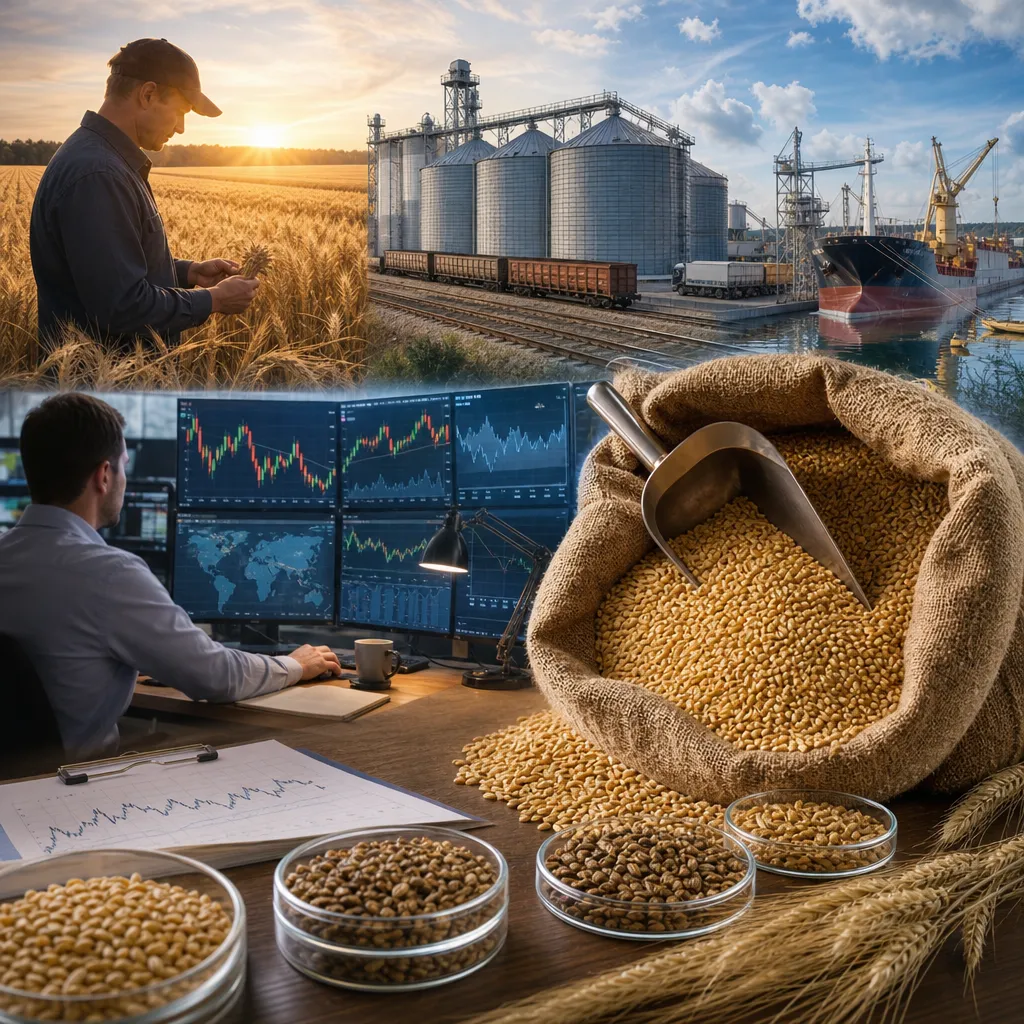
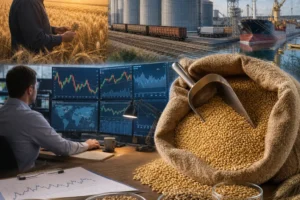
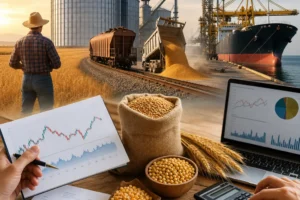


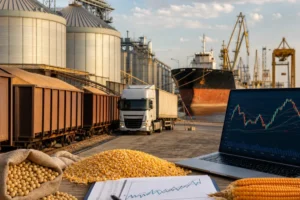

The EU rapeseed market is a Europe-wide physical and futures-linked market centered on the European Union’s large oilseed processing and biodiesel sectors. Prices are usually discussed in euro per metric tonne, with the most widely watched benchmark being the Euronext rapeseed futures contract, often still referred to in trade language as MATIF rapeseed. A practical forecast for EU rapeseed prices therefore starts with geography: production across major EU member states, import flows into the Union, processing demand from crushers and biodiesel makers, and the relationship between inland cash markets and export or import parity. Because local cash prices differ by region, quality, and logistics, readers should treat exchange futures as a benchmark rather than as an exact farm-gate or delivered price.
In practice, “EU rapeseed price forecast” usually means a forward view on the broad European price environment rather than a single uniform price across all member states. France, Germany, Poland, Romania, and other producing countries each have their own physical cash markets, but those local markets are strongly influenced by Euronext futures, Black Sea and global oilseed competition, vegetable oil values, energy markets, and the euro exchange rate against other trading currencies. The market also responds to crop conditions in Europe and to import availability, especially because the EU is both a major producer and a structurally important importer of rapeseed and other oilseeds.
What the EU rapeseed market is
Rapeseed is an oilseed crushed into rapeseed oil and rapeseed meal. In the EU, it matters not only as an agricultural crop but also as an industrial and energy-linked commodity because rapeseed oil is an important feedstock for biodiesel and renewable fuel chains. That means EU rapeseed prices often move with both agricultural fundamentals and wider energy and vegetable oil markets.
The market operates at several levels at once:
- Farm and local elevator/cooperative level: growers sell physical seed into nearby collection points, crushers, or merchants.
- Domestic processing level: crushers buy rapeseed delivered to plant or nearby storage.
- Cross-border EU trade: seed moves between member states when regional supply and demand differ.
- Import market: the EU buys rapeseed and competing oilseeds from outside the Union when domestic supply is not enough.
- Futures market: Euronext rapeseed futures provide a benchmark for pricing and hedging.
Because the EU is not one single physical marketplace, a “EU rapeseed price” is best understood as a benchmark-centered regional market with many local basis relationships.
Where the market operates in Europe
The main producing and consuming zones are spread across the EU rather than concentrated in one location. France and Germany are central to the market because they are major producers and major users, while Poland, Romania, the Czech Republic, and other member states also contribute meaningfully to supply. Consumption is anchored by crushing facilities and biofuel-related demand across the bloc.
Important commercial activity takes place in:
- Interior crop regions, where farmers market harvested seed.
- Crushing regions, where processors buy on a delivered basis.
- River, rail, and port-linked locations, where imports arrive or domestic seed moves toward processors and export outlets.
- Euronext, where the benchmark futures contract is traded electronically.
Not every tonne is exported or imported through a famous benchmark port. In many cases, the most relevant price for a farmer or processor is simply the local delivered cash bid, adjusted from futures by transport, supply pressure, and buyer competition.
| Market layer | Where it operates | Typical pricing language | Main users |
|---|---|---|---|
| Futures benchmark | Euronext | EUR/tonne futures by contract month | Traders, crushers, merchants, hedgers, investors |
| Local cash market | Farm regions across EU member states | Cash bid or farm-gate/delivered price in EUR/tonne | Farmers, cooperatives, local merchants |
| Processor market | Crushing plants and industrial demand centers | Delivered crusher bid in EUR/tonne | Crushers, merchants, farmer groups |
| Import/export market | EU ports and cross-border trade corridors | FOB, CIF, or import-parity values | Importers, exporters, trading houses, processors |
How EU rapeseed prices are formed
EU rapeseed prices are not set by one single auction. They are formed through the interaction of futures, local cash demand, import competition, and downstream product values. The benchmark many market participants watch first is the Euronext rapeseed futures price, but the physical price for actual seed depends on more than the board.
The main pricing components are:
- Futures benchmark: the exchange-traded reference price for a given contract month.
- Basis: the local premium or discount versus futures, reflecting location, timing, quality, and logistics.
- Quality: oil content, moisture, admixture, and contract quality terms matter.
- Delivery point: farm-gate, ex-store, delivered crusher, and port-positioned seed do not price the same.
- Transport and storage: trucking, rail, barge, and storage costs affect net local bids.
- Buyer competition: if several crushers or merchants compete for supply, basis can improve.
- Import parity: if imported seed lands competitively, inland EU prices may be capped.
- Vegetable oil and meal values: crushers calculate crush margins from expected oil and meal revenues.
- Currency: while EU prices are in euro, global oilseed trade and competing origins are influenced by other currencies.
A useful distinction is:
- Futures price: financial benchmark on Euronext.
- Cash bid: actual spot or forward offer for physical seed at a local buying point.
- Delivered price: value including transport to a crusher or another destination.
- FOB price: price free on board at an export point.
- CIF price: cost, insurance, and freight into the buyer’s import destination.
For this reason, a futures quote should never be treated as the exact local rapeseed price received by a farmer in any specific EU region.
What drives an EU rapeseed price forecast
A credible forecast is scenario-based. It should not assume one fixed direction, because rapeseed prices react to weather, acreage, imports, vegetable oil values, and policy-sensitive biofuel demand. The EU market is especially exposed to the balance between domestic harvest size and import needs.
Key drivers include:
- EU acreage and yield: planting intentions, winter survival, spring moisture, and summer heat all matter.
- Crop conditions: rapeseed is sensitive to weather during establishment, flowering, and pod fill.
- Harvest progress: strong early yields can pressure nearby cash markets; delays can tighten prompt supply.
- Stocks: lower carry-in tends to make the market more sensitive to weather or logistics disruptions.
- Crushing demand: stronger oil and meal margins can support seed values.
- Biofuel and renewable fuel demand: this can materially influence rapeseed oil value and therefore seed demand.
- Competing oilseeds and vegetable oils: soybean, sunflower, and palm market moves often spill into rapeseed pricing.
- Import availability: the EU relies on imported seed and oilseed substitutes when domestic output is insufficient.
- Currency moves: euro strength or weakness can alter import competitiveness.
- Energy and freight: higher fuel and logistics costs can affect delivered and import-parity pricing.
- Policy and trade rules: sustainability rules, biofuel policy, and trade measures can shift demand or trade flows.
| Forecast scenario | Typical conditions | Likely price implication |
|---|---|---|
| Bullish scenario | Weather stress, smaller EU crop, tight stocks, firm oil demand, difficult imports | Higher futures and stronger nearby cash basis are possible |
| Neutral scenario | Normal yields, stable crushing demand, manageable imports, balanced stocks | Range-bound market with regional basis differences |
| Bearish scenario | Large EU crop, ample imports, weaker vegetable oil complex, reduced biofuel pull | Pressure on futures and softer inland cash bids are possible |
Where to check EU rapeseed prices and market information online
For reliable benchmark and market information, readers should use official or established institutional sources rather than unverified price reposts. The most practical places to check are:
- Euronext: for rapeseed futures contract information and benchmark futures pricing.
- European Commission, Agriculture and Rural Development: for EU market context, oilseeds information, and policy-relevant reporting.
- European Commission, Market Observatories where relevant: useful for broader agricultural market monitoring.
- Eurostat: for production, trade, and structural data across member states.
- USDA: especially global oilseed balance sheets and international supply-demand context.
- National agriculture ministries and statistics agencies: for country-level crop development and harvest updates.
- Local cooperatives, elevators, merchants, and crushers: for actual physical cash bids and contract terms.
If you are looking for the current EU rapeseed price, the safest approach is to identify exactly which price you need:
- Euronext rapeseed futures for the relevant contract month.
- Local cash bid in your region or member state.
- Delivered crusher bid for a specified quality and delivery period.
- Import or export parity indication where relevant.
These can differ materially from one another even on the same day.
How rapeseed is actually bought and sold in the physical EU market
Physical trade in the EU usually happens through commercial contracts between farmers, cooperatives, merchants, crushers, and occasionally exporters or importers. Seed is sold by quality specification and delivery period, not just by headline market direction.
Common physical channels include:
- Farmer to cooperative or local merchant: often the first marketing step after harvest or from on-farm storage.
- Farmer or cooperative to crusher: direct sale when a processor is nearby or offers competitive delivered terms.
- Merchant to crusher: merchants assemble, finance, and move larger parcels.
- Importer to processor: imported rapeseed or substitute oilseeds can fill supply gaps.
Typical contract points in a physical transaction include:
- Quality specification
- Quantity
- Delivery window
- Delivery point
- Pricing formula or fixed price
- Payment timing
- Dispute and rejection terms
Counterparty risk matters. A good price is not enough if payment security, quality interpretation, or logistics execution are uncertain. In practice, many participants use established merchants, cooperatives, or processors because operational reliability is as important as nominal price.
How futures and hedging work for EU rapeseed
Futures trading is different from owning physical rapeseed. On Euronext, market participants can use rapeseed futures to hedge price exposure or to take a financial market position. Access normally occurs through a broker or trading platform that clears exchange trades.
Typical users of futures include:
- Farmers or cooperatives hedging part of anticipated production
- Merchants managing inventory and forward commitments
- Crushers protecting input costs or margins
- Financial participants trading price direction or spreads
Important practical points:
- Margin: futures require collateral and can generate gains or losses before physical grain is sold.
- Expiry: futures contracts have delivery months, so timing matters.
- Basis risk: a hedge reduces futures risk, but local cash basis can still change.
- Leverage: futures are efficient but can be risky if used speculatively without discipline.
A farmer may follow futures online every day yet still sell physical seed only to a local buyer. A trader may use futures without ever taking delivery of actual rapeseed. Those are related markets, but they are not the same thing.
EU imports, exports, and logistics in price forecasting
The EU rapeseed market cannot be forecast well without considering trade. The Union is a large consuming region, and domestic production does not always fully cover crushing demand. That means import flows can significantly influence price direction, especially when inland markets are comparing local supply with imported alternatives.
Trade matters in several ways:
- Import supply can cap rallies if outside-origin seed lands competitively.
- Trade disruption can support prices if import availability tightens or freight becomes less efficient.
- Cross-border internal EU movements matter because deficits in one member state may draw supply from another.
- Port and inland logistics matter because a competitive CIF arrival at port does not automatically become a cheap inland supply after transport and handling.
Forecasting should therefore compare domestic crop prospects with likely import needs, not just the harvest size alone.
Practical reading of the market
For a practical EU rapeseed view, it helps to read the market in layers rather than searching for a single number. Start with the benchmark futures trend, then check whether local basis is strengthening or weakening, then assess crop news, crusher demand, and import competitiveness.
A disciplined market read usually asks:
- Are Euronext futures rising because of EU weather, or because the wider oilseed complex is stronger?
- Are local crusher bids improving faster than futures, suggesting stronger basis?
- Is the market worried about the EU crop, or comfortable because imports can cover the gap?
- Are rapeseed oil and meal values supporting crusher margins?
- Is currency movement helping or hurting the competitiveness of imported supply?
This approach is more useful than reacting only to a headline price move.
What is the main benchmark for EU rapeseed prices?
The main benchmark is the Euronext rapeseed futures contract, quoted in euro per metric tonne. It is the leading reference for price discovery and hedging, but it is not the same as a local farm-gate cash price.
Where can I check the current EU rapeseed price?
For benchmark pricing, check Euronext. For real physical prices, check local cooperatives, merchants, crushers, or market bulletins in the relevant member state and delivery zone. The exact price depends on contract month, quality, and location.
Why does my local rapeseed bid differ from Euronext futures?
Because local bids include basis, which reflects transport, quality, storage, timing, regional supply-demand, and buyer competition. A futures quote is only the benchmark part of the price.
Is the EU mainly an exporter or importer of rapeseed?
The EU is a major producer, but it is also an important importing region because domestic crushing demand can exceed local supply. That import dependence is one reason global trade conditions matter so much to price forecasts.
How is rapeseed usually sold in the EU physical market?
It is typically sold through cooperatives, merchants, crushers, and commercial contracts that specify quality, quantity, delivery point, and timing. Farmers may sell at harvest, from storage, or forward for later delivery.
Can a farmer or trader hedge EU rapeseed online?
Yes. Hedging is usually done through Euronext futures accessed via a broker. But that is a financial hedge, not a physical sale. The user still needs a separate physical buyer or sales contract for actual grain movement.
What unit and currency are normally used?
EU rapeseed prices are generally discussed in euro per metric tonne. Physical contracts may also specify quality adjustments and delivery terms that change the final net value.
What are the biggest drivers of the next EU rapeseed price move?
The most important drivers are usually EU crop conditions, import availability, biodiesel and vegetable oil demand, crusher margins, currency, and the broader global oilseed complex.
Sources
- Euronext
- European Commission, Agriculture and Rural Development
- USDA Foreign Agricultural Service