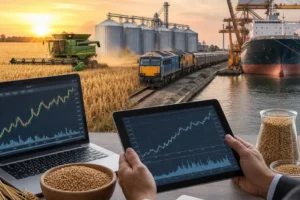

In the realm of global agriculture, ensuring consistent and high-quality grain production is an ongoing challenge for farmers, agronomists, and market analysts alike. By integrating advanced monitoring techniques, stakeholders can transform raw data into actionable insights, unlocking new levels of efficiency and profitability. This article explores the most critical innovations in crop monitoring and illustrates how these advancements drive improved grain yield predictability across diverse climatic regions.
Technologies Driving Enhanced Field Insights
Satellite and Drone Imaging
High-resolution satellite imagery and unmanned aerial vehicles (UAVs), commonly known as drones, have revolutionized the way growers observe their fields. These tools provide detailed information on plant health, moisture levels, and nutrient deficiencies, all from a safe distance. Farmers can access multispectral and hyperspectral data that reveal patterns invisible to the naked eye, enabling them to detect stress in crops before symptoms become visible.
- Real-time Monitoring: Frequent passes by satellites or weekly drone flights allow for near-instant identification of emerging issues.
- Precision Mapping: Automated image processing creates zone maps for targeted interventions, optimizing fertilizer and pesticide usage.
- Resource Optimization: Early detection reduces wasted water and chemicals, contributing to sustainability goals.
IoT Sensors and Ground Stations
Internet of Things (IoT) devices installed across the field collect granular environmental data. Soil moisture probes, weather stations, and nutrient sensors feed continuous streams of information into centralized platforms:
- Soil moisture sensors gauge irrigation needs on a row-by-row basis, preventing under- or overwatering.
- Automated weather stations predict local microclimate events, such as frost or heatwaves, allowing proactive action.
- Nutrient analyzers measure pH and mineral content, ensuring crops receive balanced fertilization at each growth stage.
These devices, when paired with data analytics engines, provide a comprehensive picture of field conditions, empowering precise decision-making.
Impact on Grain Yield Predictability
Early-Season Forecasting
Timing is everything in grain cultivation. By integrating sensor data with machine learning algorithms, agronomists can predict germination success rates and early vegetative growth patterns. Crucial metrics such as leaf area index (LAI) and normalized difference vegetation index (NDVI) become predictors of final yield. When combined with historical weather data, these forecasts reach a level of accuracy previously unattainable.
Mid-Season Adjustments
Midway through the growth cycle, fields often face challenges from pests, diseases, or nutrient imbalances. Through frequent field assessments facilitated by drones and IoT networks, managers can address hotspots before they spread:
- Variable-rate application of fertilizers and agrochemicals targets only affected zones, saving time and costs.
- Predictive analytics models simulate different response strategies, enabling comparison of yield outcomes.
- Collaboration platforms allow agronomists to share insights in real time, ensuring swift expert input.
Such adaptability not only boosts the average grain weight per hectare but also minimizes environmental impact.
End-of-Season Validation
As harvest approaches, yield monitors mounted on combine harvesters record throughput and moisture data continuously. This information helps confirm earlier predictions and refines algorithms for subsequent seasons. Detailed maps of harvested areas highlight zones with lower-than-expected performance, guiding post-harvest analyses and soil amendment planning.
Market Implications and Strategic Applications
Improved Supply Chain Forecasts
Enhanced predictability at the farm level ripples through the entire grain market. Traders and processors gain confidence in volume estimates, reducing price volatility and inventory costs. By aggregating data from multiple farms, commodity exchanges can offer more accurate forward contracts, protecting farmers against sudden market shifts.
Risk Management and Insurance
Insurance companies leverage field data to develop tailored policies that account for localized risks. Detailed records of soil health, weather patterns, and crop performance enable actuarial teams to set premiums that reflect actual exposure, rather than broad regional averages. Policyholders benefit from fairer rates and streamlined claims processes based on verifiable sensor logs.
Value-Added Services for Growers
Agri-tech providers bundle monitoring platforms with advisory services, delivering end-to-end solutions:
- Personalized agronomic recommendations powered by machine learning models.
- Interactive dashboards that track ROI on inputs such as fertilizers and irrigation.
- Collaborative tools for extension agents to engage directly with growers.
These integrated services strengthen the partnership between farmers and technology firms, fostering continuous innovation and resilient operations.
Challenges, Innovations, and Future Directions
Data Integration and Interoperability
One of the primary obstacles in widespread adoption is the lack of standardized data formats. Different sensor manufacturers and software platforms often operate in silos, creating compatibility issues. Ongoing efforts to establish open APIs and universal data models aim to break down these barriers, facilitating seamless information exchange across the agricultural ecosystem.
Advancements in AI and Predictive Models
Emerging artificial intelligence techniques promise to further elevate yield predictions. Deep learning algorithms can process vast historical and real-time datasets, identifying complex interactions between variables such as soil microbiome composition, plant genetics, and localized weather phenomena. As these models mature, they will offer hyper-localized forecasts with unprecedented precision.
Scaling Sustainability and Resilience
As climate change intensifies weather unpredictability, the agricultural sector faces growing pressure to build resilient supply chains. Crop monitoring empowers farmers to implement adaptive strategies such as drought-resistant hybrids, optimized irrigation schedules, and conservation tillage. By measuring the outcomes of these interventions, stakeholders can quantify improvements in water use efficiency and carbon footprint reduction, reinforcing commitments to sustainable practices.
Ultimately, the marriage of cutting-edge monitoring technologies with robust analytics frameworks marks a new era in grain production. Enhanced predictability not only safeguards farm profitability but also stabilizes world grain markets, securing food supplies for billions. As the industry continues to innovate, the insights gained through real-time observation and data-driven decision-making will remain central to achieving higher yields, lower risk, and greater environmental stewardship.