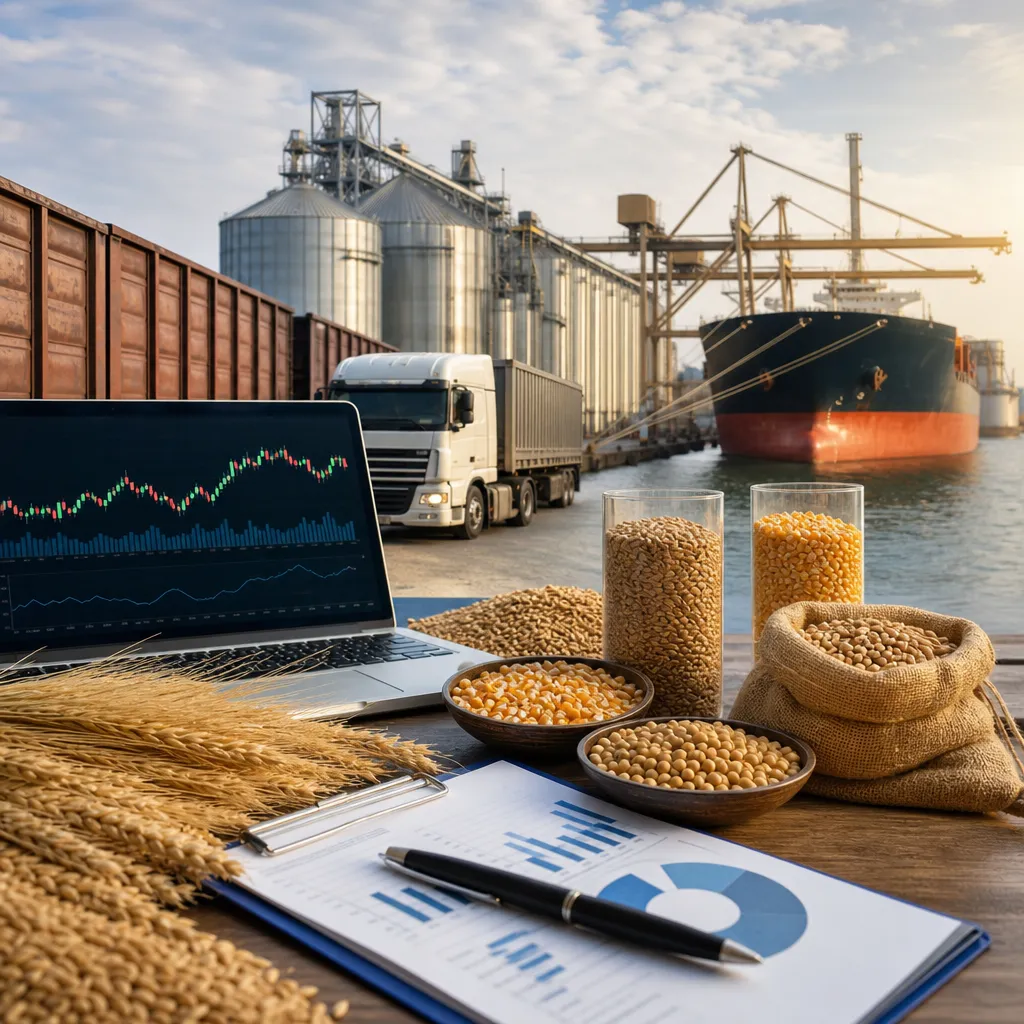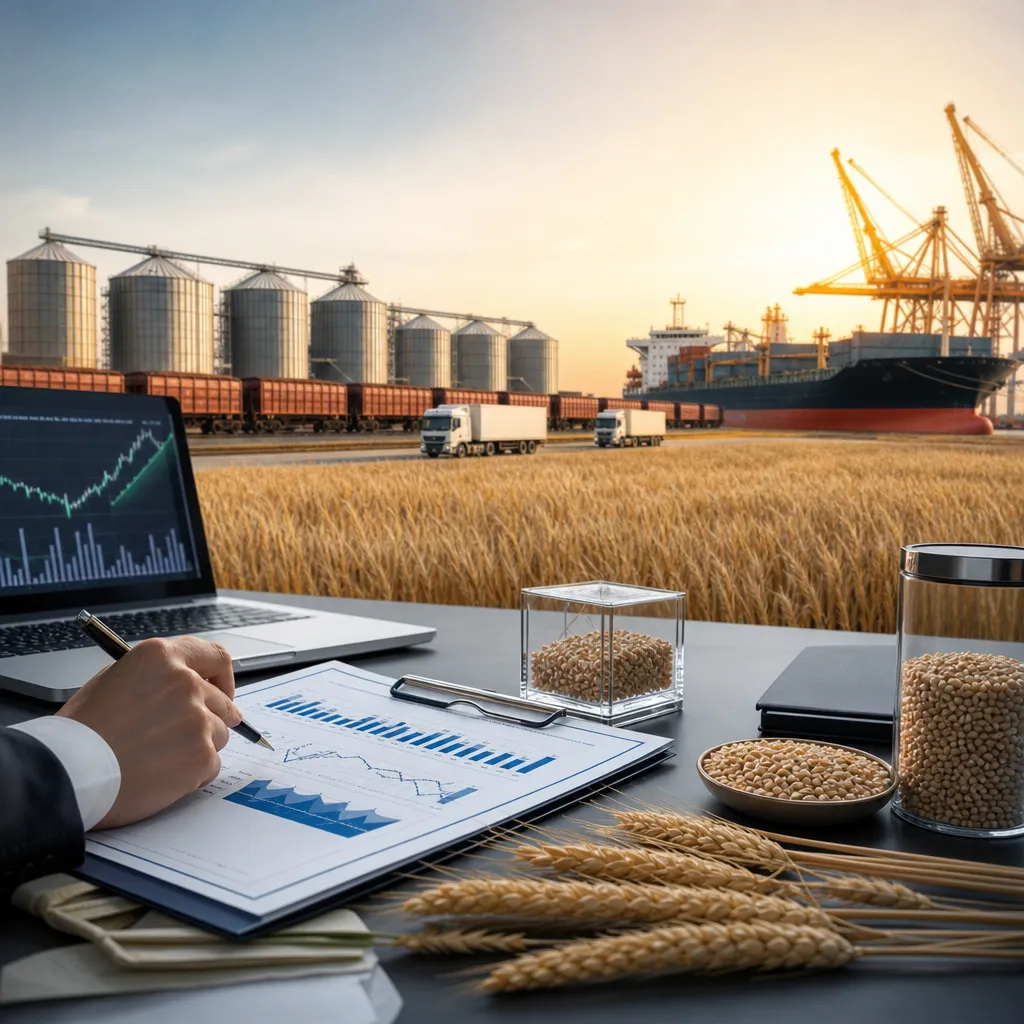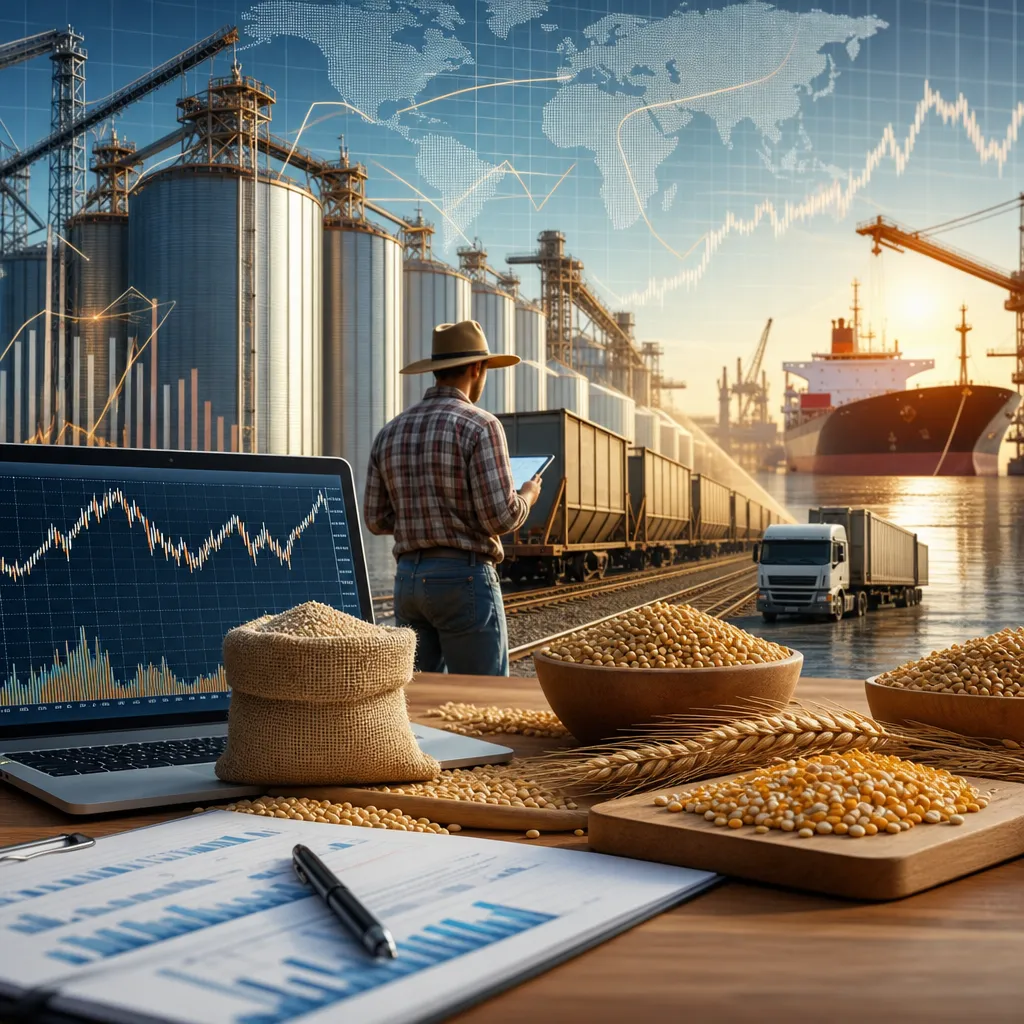


Structured learning plays a pivotal role in building robust expertise within the grain market. By combining theoretical frameworks with real-world applications, aspiring professionals can develop the knowledge required to navigate price volatility, assess global trends, and implement strategic decisions. This article explores how investment in formal and informal education strengthens competencies in agricultural commodity trading, with special attention to market fundamentals, analytical approaches, and targeted training initiatives.
Education and Market Fundamentals
Understanding core principles is the first step toward achieving competence in the grain sector. Educational programs, whether at university level or through specialized workshops, cover foundational topics such as crop physiology, global trade flows, and pricing mechanisms. By mastering these elements, individuals gain a clear perspective on how external factors—from weather patterns to geopolitical events—affect supply and demand dynamics.
Key components of a market fundamentals curriculum include:
- Grain classification and quality grading: Differentiating wheat, corn, barley, and other cereals based on protein content, moisture, and test weight.
- Tracking harvest cycles: Forecasting yield estimates by analyzing planting acreage, precipitation data, and agronomic practices.
- Market infrastructure: Exploring the role of exchanges, storage facilities, and logistics in efficient commodity distribution.
- Policy frameworks: Assessing how tariffs, subsidies, and international agreements guide trade flows and price supports.
Courses often include case studies demonstrating how a single policy announcement or weather shock can ripple through the entire supply chain. Instructors emphasize the use of credible data sources and international reporting systems to ensure that participants build a reliable analytical foundation.
The Impact of Analytical Skills on Grain Trading
Beyond basic knowledge, modern grain professionals require advanced analytical capabilities to thrive. Mastery of statistical techniques, data visualization tools, and risk models transforms raw information into actionable insights. Skilled analysts can pinpoint emerging trends, anticipate price swings, and advise on hedging strategies to protect against adverse movements.
Data-Driven Decision Making
Suited for both traders and agribusiness managers, data-driven methodologies include:
- Forecast modeling using time series analysis and machine learning algorithms
- Scenario planning to evaluate the impact of potential supply disruptions
- Profitability analysis through cost-of-production benchmarking and break-even assessments
Institutions offering these modules often partner with software providers to give students hands-on experience in popular platforms. By working on simulated trading floors, participants learn to interpret order books, track market depth, and execute trades with confidence.
Risk Management and Compliance
Incorporating risk management education allows professionals to safeguard portfolios against volatility. Topics include:
- Hedging with futures and options to lock in prices
- Credit risk assessment for counterparty exposure
- Regulatory compliance regarding reporting and margin requirements
The curriculum emphasizes real-life scenarios where regulatory changes force traders to adjust strategies rapidly. Through interactive workshops, learners develop contingency plans and establish internal controls to minimize operational losses.
Training Programs and Practical Applications
Hands-on training bridges the gap between theoretical knowledge and market realities. Companies and educational providers collaborate to design programs that mirror the complexities of global grain trade. These initiatives typically combine classroom sessions, field visits, and simulation exercises.
Field-Based Learning
Visiting farms, grain terminals, and processing mills offers unique exposure to:
- Harvest management techniques and quality control processes
- Storage technology innovations that reduce spoilage and mycotoxin risks
- Supply chain integration from farm gate to end-user
By observing operational best practices, participants appreciate the interplay between agronomic decisions and commercial outcomes. This practical perspective deepens understanding of cost drivers and quality constraints.
Technology and Innovation Integration
With digital tools transforming the agriculture sector, training programs now incorporate modules on:
- Precision farming sensors that optimize input application and yield forecasting
- Blockchain platforms for traceability and transparent provenance tracking
- Artificial intelligence applications for commodity price prediction
These sessions emphasize collaborative projects where learners propose technology-enabled solutions to real market challenges. By doing so, they develop critical problem-solving skills and gain familiarity with emerging tools.
Continuous Learning and Professional Development
The grain market is characterized by constant evolution, driven by climate shifts, policy reforms, and shifting consumer preferences. To stay ahead, professionals must commit to lifelong learning through:
- Webinars and online courses on topics such as sustainability standards and ESG reporting
- Industry conferences that foster networking and knowledge exchange
- Mentorship programs connecting novices with seasoned traders and analysts
Active participation in professional associations provides access to peer-reviewed journals and exclusive research reports. This continuous engagement ensures that individuals maintain a competitive edge and adapt swiftly to new developments.
The Role of Policy and Institutional Support
Government agencies, international organizations, and research institutions play a critical role in promoting grain market education. Funding for agricultural extension services, scholarships for commodity analytics programs, and public–private partnerships enhance access to quality training resources. By aligning educational objectives with policymaking, stakeholders can address key challenges such as market distortions, food security, and environmental sustainability.
Effective collaboration across sectors drives the creation of standardized curricula and certification schemes. These frameworks validate core competencies, enabling employers to assess skills objectively and support career advancement within the grain industry.
Conclusion of Key Insights
Through a blend of solid theoretical grounding, analytical proficiency, and immersive training, education emerges as a cornerstone of grain market management excellence. Embracing ongoing professional development empowers individuals to innovate and navigate the complexities of global commodity trade. As the sector advances, an educated workforce will be indispensable in ensuring resilient supply chains, robust price discovery, and sustainable growth.