


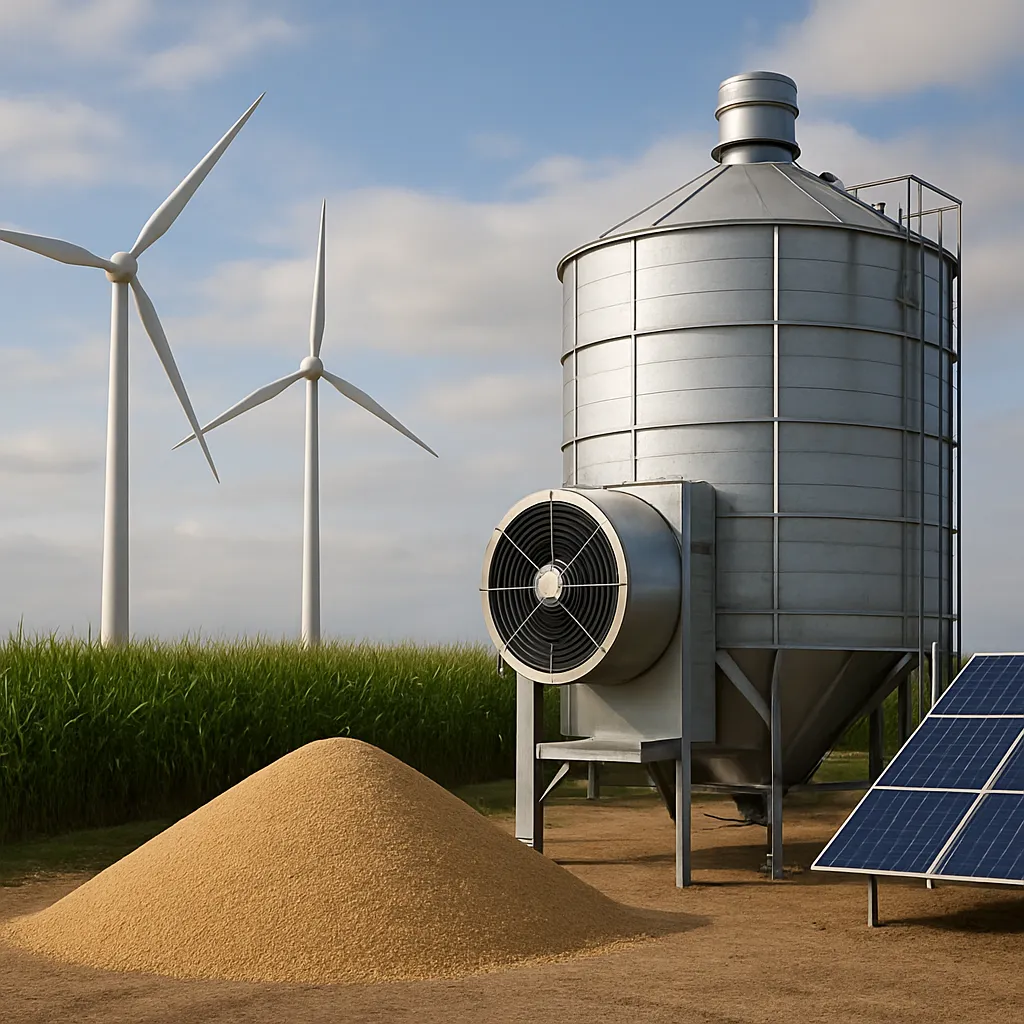
The integration of renewable energy sources into grain drying processes is revolutionizing the agricultural sector. As demand for high-quality, safe, and sustainable grain products grows, producers seek innovative drying solutions that reduce reliance on fossil fuels, cut operational costs, and minimize environmental impact. Grain drying is a pivotal post-harvest activity influencing storage quality, market value, and food security. By leveraging solar, biomass, geothermal, and wind energy, farmers and agribusinesses can enhance drying efficiency while promoting sustainability. This article explores the key technologies, economic benefits, environmental implications, and challenges associated with renewable energy-driven grain drying systems.
Renewable Energy Technologies in Grain Drying
Modern grain drying systems harness a variety of innovations in renewable energy technology. Each approach offers distinct advantages and design considerations:
Solar Thermal Drying
Solar drying uses the sun’s radiation to generate heat for evaporating moisture from grains. This method typically involves solar collectors, drying chambers, and fans to circulate heated air. Key components include:
- Flat-plate or evacuated tube solar collectors
- Well-insulated drying chambers with controlled airflow
- Auxiliary heating for periods of insufficient sunlight
Advantages of solar thermal drying:
- Zero carbon footprint during operation
- Low maintenance and operational costs
- Scalability from smallholder farms to large grain elevators
Biomass-Fueled Dryers
Biomass dryers use agricultural residues, wood chips, pellets, or energy crops to produce heat. This approach aligns with circular economy principles by valorizing on-farm waste:
- Combustion chambers optimized for uniform heat distribution
- Automated feeding systems for continuous operation
- Emission control units to reduce particulate matter
Key benefits include:
- Utilization of locally available feedstock
- Reduction in operational costs when compared to diesel or gas
- Potential for carbon neutrality if sourced sustainably
Geothermal and Waste Heat Recovery
Geothermal drying exploits subsurface heat by circulating air through heat exchangers connected to geothermal wells. Waste heat recovery systems capture and reuse exhaust heat from existing grain handling or milling facilities. Features of these systems:
- Heat exchangers tailored to drying air requirements
- Integration with industrial processes for cost-effectiveness
- Advanced controls for precise temperature and humidity management
These methods offer:
- Near-constant heat supply regardless of weather
- Substantial reductions in fossil fuel consumption
- Improved efficiency through heat recapture
Wind-Assisted Drying
Wind-assisted drying combines turbines or direct use of ambient wind with low-temperature drying mechanisms. While less common, this approach holds promise in regions with high wind resources:
- Direct air intake fans powered by wind turbines
- Hybrid systems pairing wind with solar or biomass
- Automated dampers to regulate airflow speed
Benefits include:
- Supplementary energy to reduce electric consumption
- Flexibility in hybrid configurations
- Minimal additional infrastructure if wind resources are available
Economic and Environmental Benefits
Adopting renewable energy in grain drying yields profound economic and environmental advantages. Farmers and operators can capitalize on predictable energy costs, government incentives, and improved market positioning due to sustainable practices.
Cost Savings and Return on Investment
Traditional grain dryers reliant on propane, natural gas, or electricity face volatile fuel prices and rising energy tariffs. Renewable systems present stabilized expenditures and potential revenue streams:
- Lower variable costs after capital payback
- Eligibility for tax credits, grants, and low-interest loans
- Reduced dependence on external fuel suppliers
Typical payback periods range from 3 to 7 years, depending on system size, local energy prices, and available subsidies. As fuel prices escalate, the financial case strengthens further.
Emission Reductions and Climate Impact
Grain drying represents a significant energy consumer in post-harvest operations. Integrating renewable sources drastically cuts greenhouse gas emissions:
- Lower CO₂ emissions per ton of dried grain
- Reduction in particulate and NOₓ pollutants with clean combustion or solar processes
- Contribution to corporate or national climate targets
Adoption of renewable-energy dryers supports a shift toward net-zero agriculture, with measurable reductions in the farm’s overall carbon footprint.
Market Differentiation in the Grain Market
Consumers and end-users increasingly value traceability and environmental stewardship. Grain producers who emphasize sustainable drying can command premium prices and access new market segments:
- Certification programs highlighting low-carbon practices
- Supply chain partnerships with eco-conscious food manufacturers
- Brand enhancement through transparent sustainability reporting
Grain market dynamics favor producers who optimize quality while minimizing ecological impact, creating a competitive edge.
Technical and Operational Challenges
Despite clear benefits, transitioning to renewable energy for grain drying involves several practical hurdles. Addressing these challenges ensures reliable performance and maximized returns.
Capital Investment and Infrastructure Requirements
Renewable technologies often demand higher upfront investments for equipment, permits, and site preparation. Key considerations include:
- Structural modifications for solar collector installations
- Space and biomass storage requirements for fuel-fed dryers
- Integration with existing conveyors and handling systems
Comprehensive feasibility studies and lifecycle cost analyses are essential to align infrastructure changes with long-term operational goals.
Variability and Reliability of Energy Supply
Solar and wind energy are inherently intermittent. Ensuring continuous grain drying operation involves:
- Hybrid systems combining multiple renewable sources
- Backup heating units or thermal storage mediums
- Advanced control algorithms to balance load and supply
Robust system design must prioritize consistent temperature and airflow to prevent grain spoilage or quality degradation.
Technical Expertise and Maintenance
Operating renewable drying systems requires specialized knowledge in mechanical, electrical, and process engineering. Critical areas include:
- Preventive maintenance of solar collectors and biomass boilers
- Calibration of sensors, controls, and dampers
- Training staff on safety protocols and troubleshooting
Collaborations with equipment manufacturers and service providers can bridge skill gaps and optimize performance.
Future Prospects and Innovations
The trajectory of grain drying technology is increasingly aligned with global sustainability goals. Emerging trends and research focus on further improving system performance and accessibility.
Advanced Thermal Storage Solutions
Phase change materials (PCMs) and thermochemical storage offer avenues to buffer energy supply, smoothing out variability in solar or wind output. Benefits include:
- Extended drying operations during low-resource periods
- Reduced reliance on auxiliary fossil backup
- Compact storage designs suitable for retrofits
Digital Monitoring and Automation
Integration of IoT sensors, AI-driven control systems, and remote monitoring platforms enables predictive management of drying cycles. Key features:
- Real-time tracking of moisture content and airflow
- Data analytics for process optimization
- Remote alerts for maintenance or performance deviations
Policy Support and Industry Collaboration
Government policies and public-private partnerships are instrumental in mainstreaming renewable grain drying. Initiatives may include:
- Subsidies for capital purchases of clean energy equipment
- Research grants targeting efficiency improvements
- Knowledge-sharing platforms linking farmers, researchers, and technology providers
Collective action fosters innovation diffusion and accelerates adoption across diverse agricultural landscapes.
Embracing renewable energy in grain drying systems not only advances environmental stewardship but also strengthens economic resilience and food security. As technologies continue to evolve, the agricultural sector stands poised to leverage clean energy for optimized post-harvest processes and a sustainable future.