





The global grain trade operates at the crossroads of agricultural production, international logistics, and economic policy. Recent disruptions—ranging from extreme weather events to geopolitical tensions—have reshaped the way exporters calculate profits, manage inventory, and negotiate contracts. This article delves into the mechanisms by which interruptions in the supply chain ripple through export operations and ultimately affect profit margins on grain shipments.
Global Grain Market Dynamics
Grain markets are inherently sensitive to shifts in both supply and demand. Major producing regions, such as the North American plains, the Eurasian steppe, and the South American Pampas, supply wheat, corn, and soybeans to consumers worldwide. When a drought strikes the U.S. Midwest or heavy rains flood key ports in Europe, the impact can be traced instantly through futures prices and spot market quotations. Market participants rely on commodities exchanges to hedge against unexpected events, but hedging strategies can only absorb so much volatility before costs cut into promised returns.
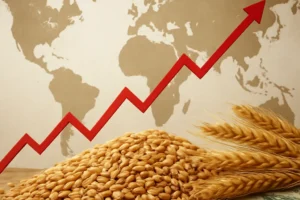
Efficient market functioning hinges on transparent information flow. Grain analysts track satellite imagery, weather forecasts, and harvest reports to estimate crop yields. Any gap between projected output and realized volumes forces traders to recalibrate risk premiums. For example, a late-season frost may reduce local production by 10%, pushing global wheat prices upward. Buyers then scramble to cover shortages, driving up freight demand and inflating transportation costs. These extra charges squeeze the margin between export sale prices and underlying procurement costs.
Structural Vulnerabilities in Grain Logistics
The grain export process involves multiple handoffs: from farm storage to regional silos, onward to rail depots, then to export terminals and ocean vessels. Each transit stage presents potential chokepoints that can stall cargo and generate demurrage fees. Interruptions can stem from mechanical failures, labor disputes, or regulatory inspections. When a critical rail bridge is under repair, shipments back up at inland elevators, forcing exporters to reroute cargo via less direct routes or switch to trucking—a choice that typically raises per-ton costs.
Port Congestion and Storage Constraints
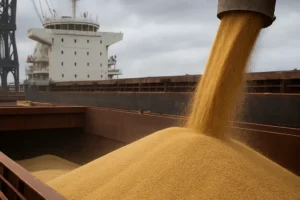
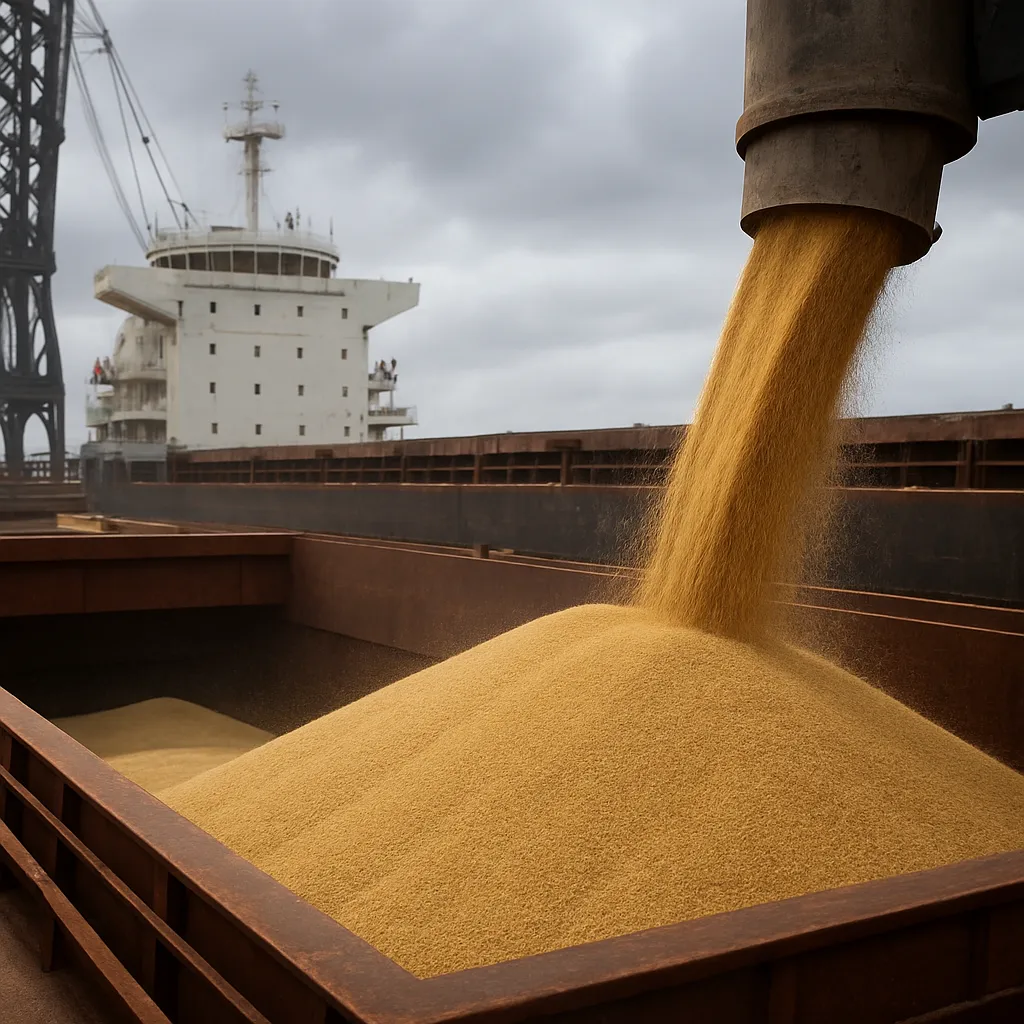
At maritime terminals, limited berth availability and draft restrictions can lead to waiting times measured in weeks. During peak harvest seasons, exporters must contend with silo capacity restrictions, leading to temporary storage solutions such as floating barges. These ad hoc measures lack the climate control of fixed facilities, risking grain spoilage and diminishing market value. Maintaining buffer inventory at multiple locations can mitigate these risks, but it also requires tied-up capital and extra handling expenses.
Transport Mode Shifts and Cost Pressures
Freight rates for ocean, rail, and trucking each fluctuate according to regional capacity and fuel prices. A shortage of rail cars can force a switch to trucking, which is slower and less cost-efficient over long distances. Conversely, when the ocean freight sector tightens—driven by container scarcity or canal disruptions—exporters scramble for rail or barge space. Every shift in modal share triggers contractual renegotiations and variable fuel surcharges. Such dynamic cost structures demand robust risk management frameworks to forecast cash flow impacts and maintain competitive pricing.
Economic and Policy Implications on Export Margins
Government regulations and trade policies further complicate the picture. Export tariffs or supply caps, instituted to stabilize domestic prices, can erode foreign sales revenue. When a major exporter implements quotas, global buyers must source grain elsewhere, often at higher landed costs. This reconfiguration of supply routes results in extended transit times and additional port calls, each adding layers of administrative compliance and fees. Exporters must then decide whether to accept thinner profit splits or shift focus to alternative markets.
Subsidies and support programs also influence margin calculations. In some countries, producers receive direct payments tied to production volumes, enabling them to offer more aggressive export bids. However, reliance on such subsidies introduces regulatory risk. Sudden policy reversals can leave supply chains overextended, with contracted volumes exceeding what can be profitably shipped. Under these circumstances, exporters may incur penalty clauses or resort to spot resales at reduced prices.
Quality Standards and Contractual Terms
Maintaining grain quality standards is crucial for honoring contract specifications. Moisture content, foreign material percentage, and test weight all determine the acceptable price range. If a storage facility lacks adequate aeration systems, harvest-time heat can raise temperatures within the silo, accelerating spoilage. Buyers then request price discounts or reject entire lots, forcing exporters to find secondary markets at a loss. Insurance can offset some losses, but elevated premiums cut into net earnings.
Technological Innovations and Future Outlook
Emerging digital platforms promise to enhance visibility across the logistics network. Blockchain-based tracking provides immutable records of grain provenance, while IoT sensors monitor temperature and humidity in real time. These advances can streamline regulatory compliance and reduce the need for manual inspections, eliminating common bottlenecks. Automated scheduling tools optimize vessel berthing and rail allocations, lowering demurrage and detention fees.
Nevertheless, the adoption of new technologies requires upfront investments. Smaller exporters may struggle to finance system upgrades or to train personnel in data analytics. Governments and trade associations can play a role by offering grants and facilitating pilot programs. Ultimately, only a coordinated effort among private and public stakeholders will build resilience against future disruptions and preserve healthy export margins.