
The global grain trade has evolved into a highly interconnected network where farmers, exporters, processors, and retailers must all collaborate to meet surging demand. Ensuring traceability from seed to silo has become vital as consumers and regulators alike seek proof of origin and adherence to safety standards. At the same time, supply chain stakeholders are under pressure to adopt more sustainable practices, manage risk effectively, and boost operational efficiency. This article explores how transparency initiatives are reshaping the grain market, the cutting-edge technologies that power visibility, and the benefits and challenges of creating a truly open supply chain.
The Growing Demand for Visibility in Grain Sourcing
Grain trading has historically relied on long-standing relationships and manual documentation, but modern dynamics are forcing a shift toward digital record-keeping and open data sharing. Consumers want confidence that wheat, barley, maize, or rice was produced without harmful pesticides, that workers received fair wages, and that transport did not compromise grain quality. Governments and industry bodies now mandate stricter reporting on food safety and environmental impact, pushing supply chain participants to prove their compliance with international standards.
Key drivers for this shift include:
- Regulatory pressure for real-time data on shipments, phytosanitary certificates, and quality testing;
- Retailer and end-user demands for proof of sustainable farming practices;
- Market volatility, which makes quick reaction to supply disruptions critical;
- Stakeholder insistence on accountability at every step, from field to fork.
In regions prone to extreme weather or political unrest, accurate visibility helps buyers assess supply resilience and reroute shipments before shortages occur. For grain producers, transparent sourcing can open new markets and command premium pricing for verified quality.
Technologies Driving Transparency in the Grain Market
Innovations in digital and physical tracking systems are revolutionizing how grain moves around the globe. From farm sensors to blockchain platforms, these tools enable stakeholders to record, share, and audit data with unprecedented certainty.
Blockchain-Based Traceability
Distributed ledger technology creates an immutable record of every transaction affecting a grain batch. By logging planting dates, chemical usage, transport checkpoints, and storage conditions, blockchain solutions bolster trust among buyers and regulators. Each participant holds a copy of the ledger, reducing the need for intermediaries and minimizing the risk of document tampering.
Internet of Things (IoT) and Sensor Networks
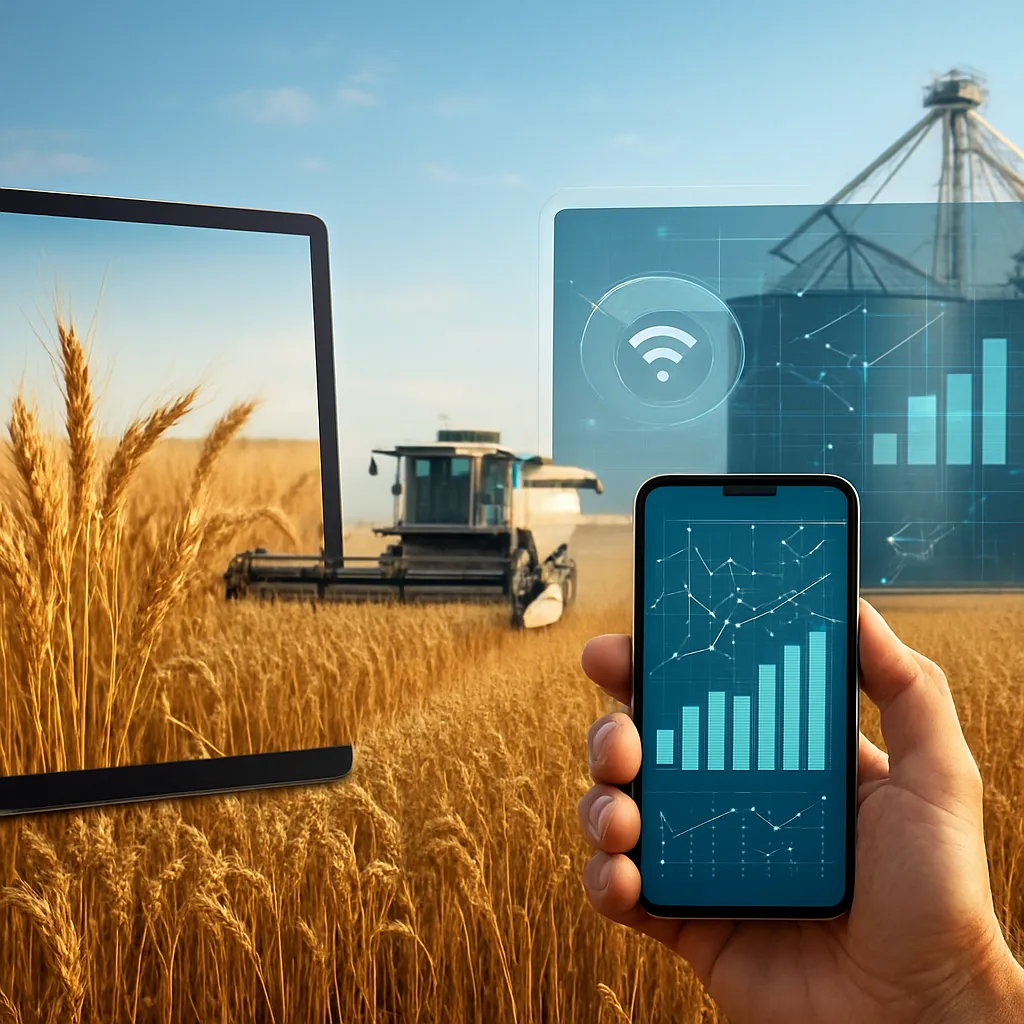
Smart sensors installed in silos, loading docks, and transport containers monitor humidity, temperature, and CO₂ levels, transmitting real-time alerts if conditions threaten quality. This IoT infrastructure empowers traders to optimize storage cycles, prevent spoilage, and maintain quality standards throughout the journey.
Advanced Data Analytics and Machine Learning
By aggregating historical pricing, yield forecasts, and weather data, AI-driven platforms can predict market trends and potential supply bottlenecks. These predictive insights enhance decision-making and support proactive risk mitigation strategies, ensuring smoother flow of grain even under uncertain conditions.
Digital Documentation and e-Certificates
Replacing paper-based phytosanitary certificates and bills of lading with encrypted e-documents accelerates customs clearance and reduces administrative errors. Electronic verification significantly cuts the time required for cross-border shipments, boosting overall efficiency and lowering logistical costs.
Benefits and Challenges of Transparent Grain Supply Chains
Adopting end-to-end transparency delivers tangible advantages but also introduces hurdles that stakeholders must overcome.
Benefits
- Increased consumer trust and brand reputation for certified transparent products.
- Reduced fraud and contamination incidents thanks to verifiable chain-of-custody data.
- Enhanced supply chain resilience by identifying alternate routes and sources in real time.
- Improved market access for smallholders who can prove compliance with global standards.
- Streamlined audits and regulatory reporting through centralized digital records.
Challenges
- High initial investment in IoT hardware, blockchain integration, and data management platforms.
- Complexity of standardizing data formats across diverse stakeholders and regions.
- Concerns over innovation adoption by small-scale producers with limited technical capacity.
- Risk of cybersecurity threats targeting proprietary transactional data.
- Difficulty in fostering trust among competitors reluctant to share commercially sensitive information.
Strategies for Building a Transparent Grain Ecosystem
Successfully deploying transparency initiatives in the grain sector requires careful planning and collaboration:
- Establishing clear data governance frameworks that define roles, responsibilities, and access rights for all participants.
- Creating industry consortia to develop shared standards for documentation, quality metrics, and digital protocols.
- Investing in capacity-building programs to train farmers and small traders on using digital tools effectively.
- Partnering with logistics firms to integrate real-time tracking and automated reporting mechanisms.
- Working closely with certifying bodies and NGOs to validate sustainability and social compliance claims.
By focusing on collaboration and open communication, the grain industry can overcome fragmentation and unlock the full value of a transparent supply chain.
Future Outlook for Grain Supply Chain Transparency
As global food demand rises and climate-related challenges multiply, the drive toward full supply chain visibility will only intensify. Emerging trends include:
- Integration of satellite imagery with ground-level sensors to monitor crop health at scale.
- Expansion of tokenization models that tie digital assets to physical grain stocks, enabling innovative financing solutions.
- Greater regulatory alignment across exporting and importing countries, harmonizing traceability requirements.
- Increased consumer engagement platforms that allow end-users to scan QR codes and view the entire supply chain journey.
By leveraging technology and stakeholder engagement, the grain market stands on the cusp of a transparency revolution—one that promises stronger supply chains, higher standards, and a more equitable global food system.