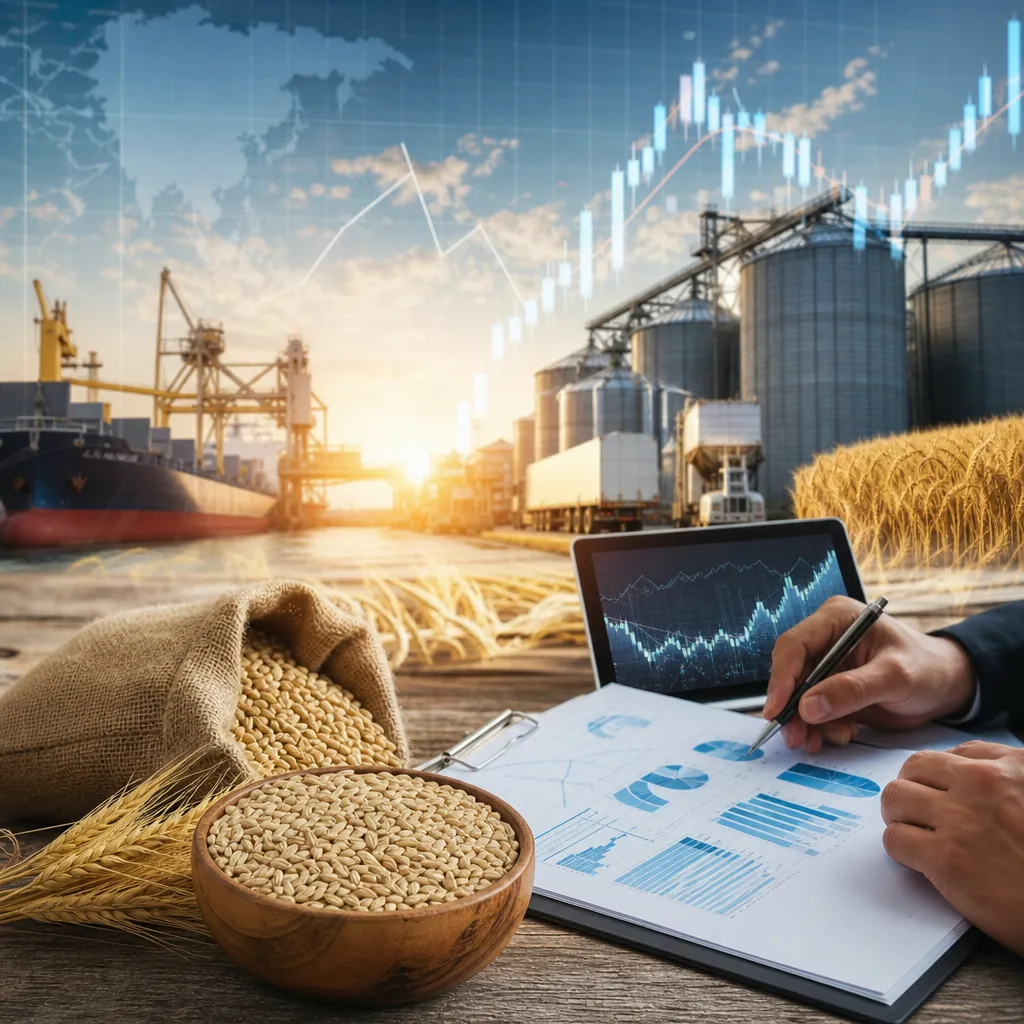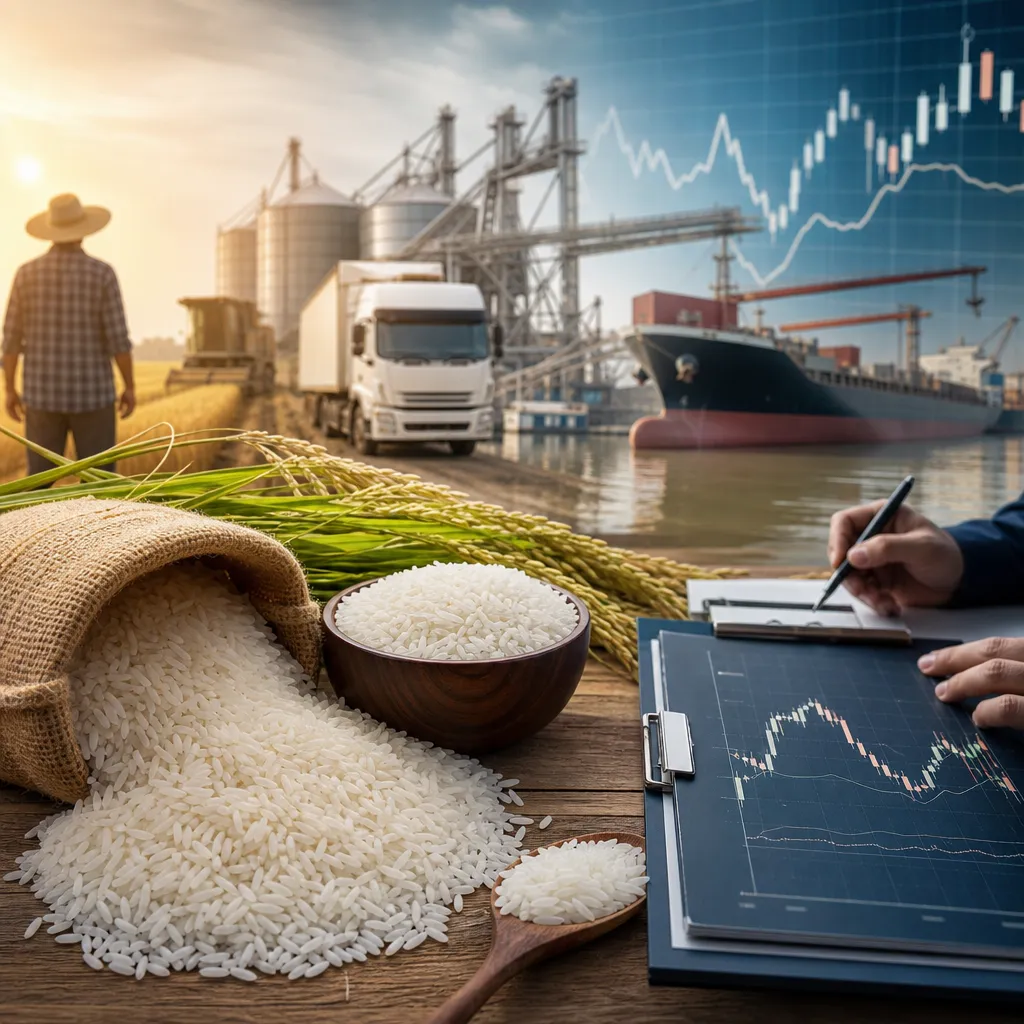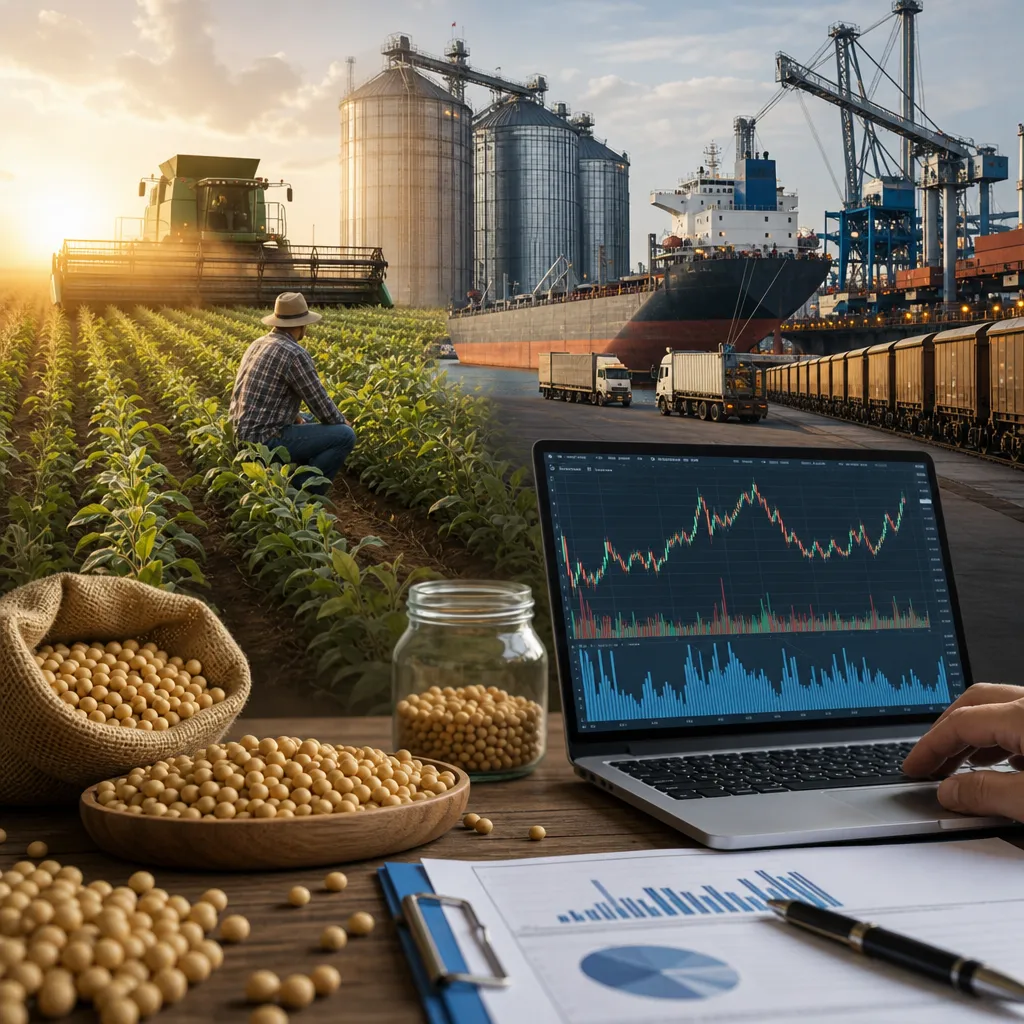



The global grain sector is undergoing a transformative period as **labor** shortages reshape traditional harvesting methods. Farmers and agribusinesses are scrambling to maintain **efficiency** in the face of dwindling human resources, rising wages, and shifting demographic patterns. This article explores how these shortages impact grain harvest operations, what technological solutions are being adopted, and the broader **market** implications for supply chains and food security.
Impact of Labor Shortages on Harvest Timeliness
Each growing season, timely harvesting is critical to preserve yield and quality. However, rural communities are experiencing a significant outflow of workers seeking urban employment or migrating abroad. The result is a shrinking pool of skilled laborers who understand the nuances of machinery operation and field management. As a consequence, delays in combining operations can lead to:
- Increased exposure to adverse weather events
- Greater loss from lodging or shattering
- Decline in grain quality and moisture control
Late harvests often force producers to accelerate drying processes, raising energy costs and risking damage to kernels. In regions where smallholder farms dominate, the shortage of seasonal hands extends the harvesting window beyond optimal periods, directly affecting overall **productivity**.
Adoption of Mechanization and Automation
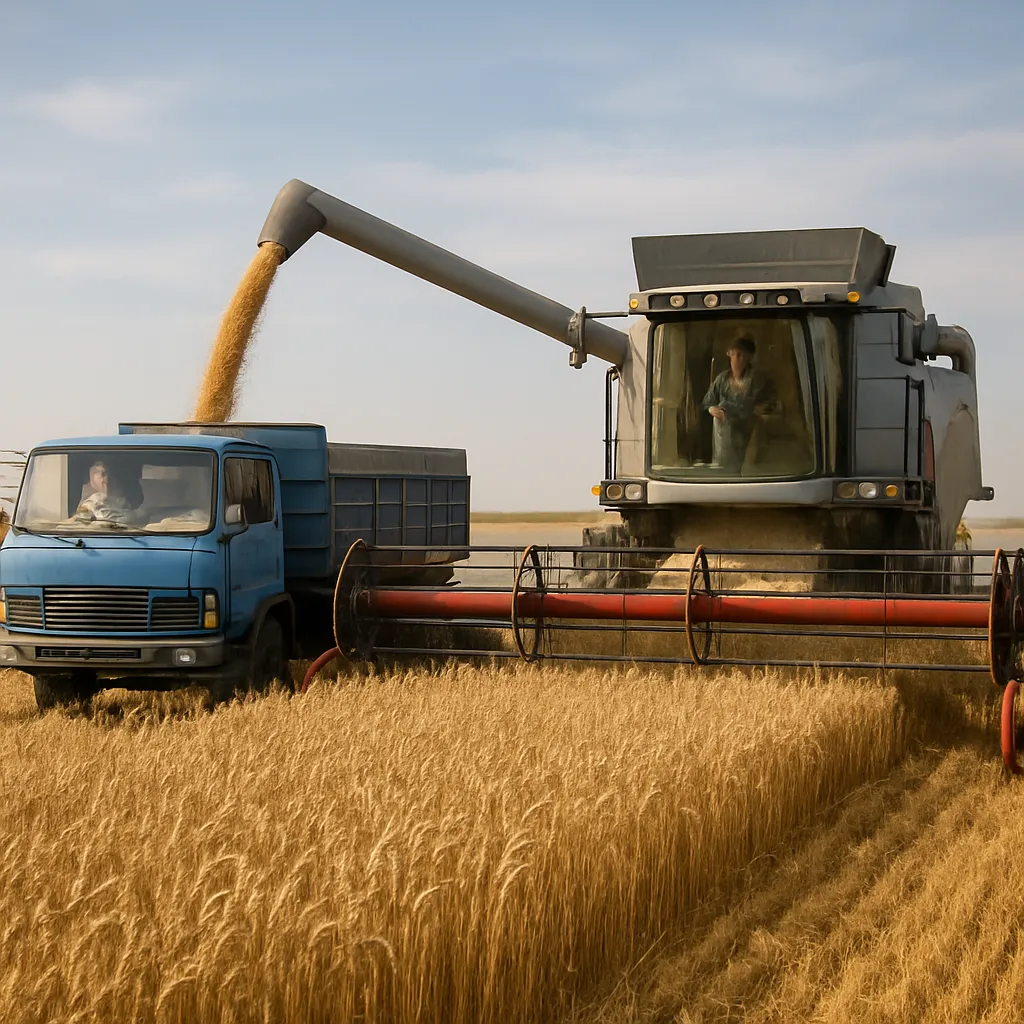
To counteract labor constraints, many operations are investing in advanced **technology**. Mechanization ranges from high-capacity combines to precision planting systems, but the rise of automation is the true game-changer. Autonomous harvesters equipped with GPS guidance and AI-driven yield mapping are increasingly deployed in large-scale operations.
Benefits of Autonomous Systems
- Continuous operation without fatigue
- Optimized routing and minimal overlap
- Real-time data collection for performance analysis
Despite high upfront costs, long-term gains in fuel savings, reduced downtime, and consistent throughput make such investments appealing. However, barriers remain, including the need for robust telecommunications infrastructure to support remote monitoring and the training of operators in both mechanical repairs and data interpretation.
Market Dynamics and Economic Consequences
The intersection of **shortage** and mechanization raises complex questions about labor market restructuring and pricing. As equipment manufacturers expand offerings geared toward automation, input costs for farmers increase. These outlays often translate into higher unit costs for grain, influencing global commodity **market** prices.
Some key economic trends include:
- Rising rental rates for specialized machinery during peak seasons
- Premiums charged for custom harvesting services in labor-constrained areas
- Volatility in futures markets driven by concerns over delayed supplies
Furthermore, smaller producers may struggle to access or finance these advanced systems, widening the gap between large agribusinesses and family farms. This dynamic can lead to consolidation as marginal operators exit the industry, altering competitive landscapes and supply chain resilience.
Sustainability and Future Strategies
Addressing labor challenges requires integrated solutions that balance technological advancement with social and environmental considerations. Programs that foster youth engagement in **agriculture**, such as apprenticeships and cooperative learning centers, can replenish the workforce. Meanwhile, partnerships between universities, equipment manufacturers, and government agencies aim to develop affordable innovations tailored to diverse farm sizes.
In parallel, the promotion of sustainable practices like cover cropping and precision nutrition supports soil health, which can enhance overall harvest outcomes even when labor is scarce. Key strategies include:
- Leveraging drone-based scouting to identify ripeness and disease pressure
- Implementing modular machinery shared through local cooperatives
- Utilizing blockchain platforms for transparent supply chain tracking
As the sector evolves, striking a balance between human expertise and **automation** will be essential. Cultivating a skilled workforce that embraces digital tools can ensure that grain production remains robust, adaptable, and capable of meeting growing global demand.