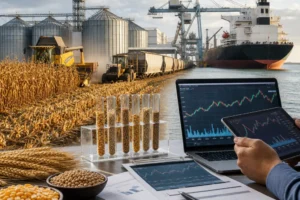

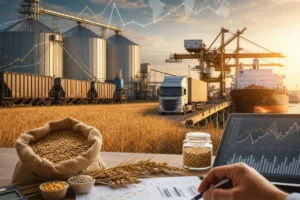
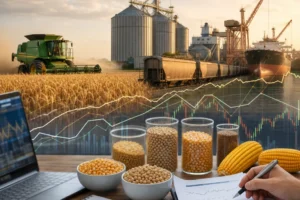
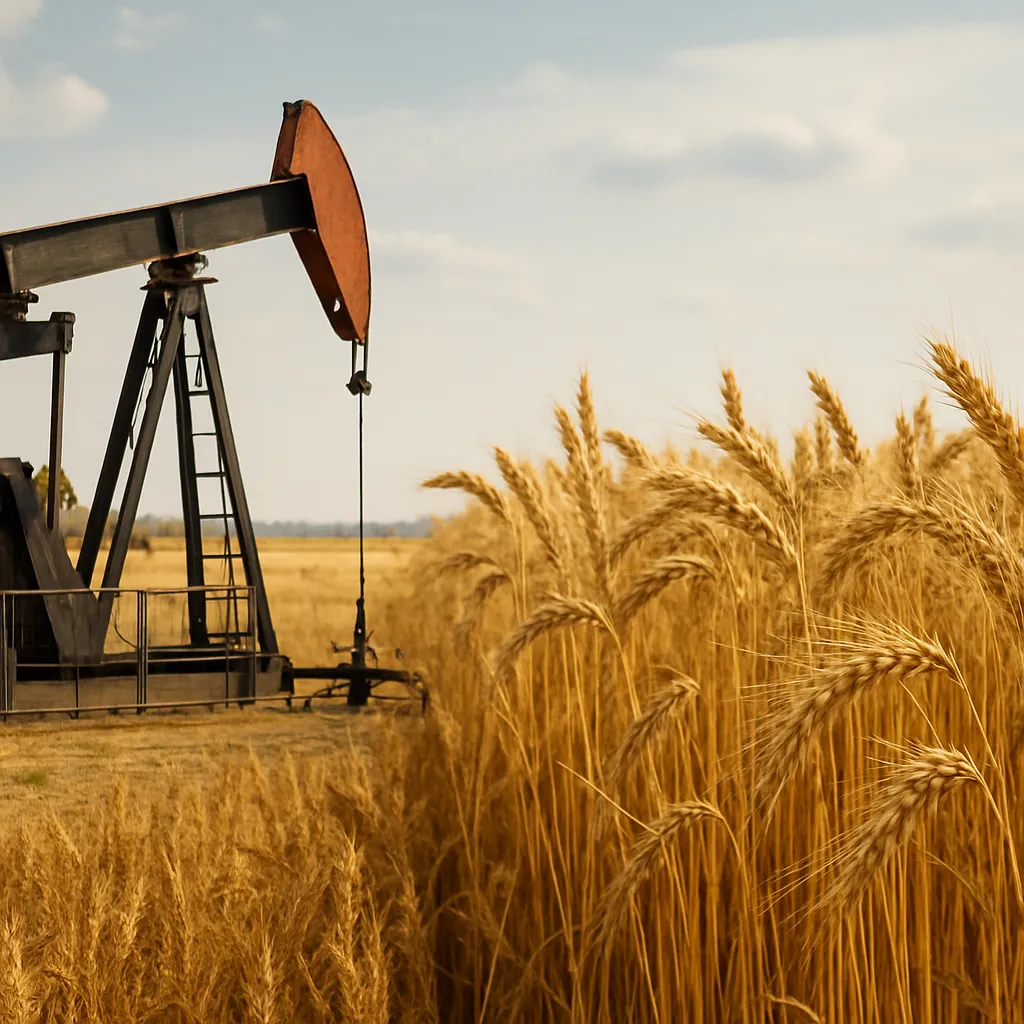
The intricate link between the oil and grain markets has captured the attention of economists, traders, and policymakers alike. Fluctuations in crude prices often ripple through global supply chains, influencing the cost of fertilizers, transportation, and ultimately the cost of staple foods. This article dives into the multifaceted relationship between these two critical sectors, unraveling the forces that drive correlation and revealing how stakeholders can adapt to a world of ever-shifting prices.
Interdependence of Energy and Crop Markets
There is an undeniable connection between energy inputs and agricultural outputs. Farming operations rely heavily on petroleum-based products for machinery fuel and nitrogen-rich fertilizers. When crude oil values rise, the cost of producing every bushel of grain tends to follow suit. Conversely, a slump in oil prices can temporarily alleviate cost pressures in the field.
Cost Structure Analysis
- Energy as a direct input: Diesel, gasoline, and natural gas power tractors, combines, and irrigation pumps.
- Fertilizer link: Ammonia and urea production require high energy intensity, so their costs mirror crude oil and natural gas trends.
- Transportation expenses: Shipping grain from farm to port, and then to end markets, depends on freight rates tied closely to petroleum costs.
Over the past decade, this interdependence has intensified as modern agriculture scales up. Advances in mechanization and the spread of precision farming mean that a larger share of variable costs come from fuel and fertilizer. As a result, volatility in oil markets tends to exacerbate swings in grain prices.
Biofuels and the Shifting Demand Curve
The rise of biofuels such as ethanol and biodiesel has introduced a novel feedback loop between energy and agriculture. Corn, sugarcane, and oilseeds are not only consumed as food and feed but also processed into transportation fuel. When oil values surge, biofuel production becomes more economically attractive, boosting grain demand and tightening global supplies.
Impacts on Grain Allocation
Policy mandates and subsidies for biofuel have periodically diverted large volumes of cereals and oilseeds from traditional uses:
- Increased ethanol production in the United States raised corn consumption by hundreds of millions of bushels annually.
- European biodiesel incentives fueled demand for rapeseed and sunflower oil.
- Emerging markets in Asia and South America began blending mandates that reshaped local demand dynamics.
This interplay creates a delicate balancing act between food security goals and renewable energy ambitions. Sudden shifts in oil prices can trigger rapid adjustments in planting decisions, with farmers opting for feedstocks that promise higher returns under favorable energy-linked pricing. Consequently, global grain inventories can tighten or swell dramatically in response to policy changes and market expectations.
Volatility Transmission Across Commodity Markets
Crude oil and grains both trade on futures exchanges, and their price behavior often exhibits co-movement during periods of uncertainty. Geopolitical events, extreme weather, or central bank decisions can spark volatility in oil, which then spills over into agriculture and other related commodities.
Mechanisms of Spillover
- Speculative flows: Investors reallocating funds between energy and agricultural futures may amplify price swings.
- Hedging strategies: Grain processors and traders hedge energy input costs alongside their crop exposures, leading to correlated liquidity patterns.
- Macro indicators: Inflation expectations or currency movements that influence oil markets also affect import/export competitiveness for grain-exporting nations.
Empirical studies have shown that a significant portion of grain price variability can be attributed to oil price shocks, especially in regions where transport infrastructure is underdeveloped. In such cases, swings in fuel costs represent a larger share of end-user pricing, heightening the transmission of global oil market turbulence into local food markets.
Strategic Adaptations for Market Participants
Given the close ties between energy and agricultural markets, producers, traders, and governments must adopt strategies that mitigate risk and capitalize on emerging opportunities. Diversification, technological investment, and forward-looking policy design are essential components of a resilient approach.
Risk Management Tools
- Cross-commodity hedging: Utilizing both oil and grain futures or options to balance exposures.
- Variable-rate fertilization: Adopting precision agriculture techniques to adjust input applications in real time based on energy cost forecasts.
- Alternative energy integration: Investing in on-farm solar or wind generation to insulate operations from volatility in fuel markets.
On the policy front, maintaining robust strategic reserves of staple grains and promoting flexible blending mandates for biofuels can help buffer sudden shocks. Transparency in data reporting for both oil and agricultural sectors fosters better market predictions and more informed planting and investment decisions. Ultimately, understanding this interconnected ecosystem allows stakeholders to navigate uncertainty, optimize production plans, and ensure stable global food supplies despite fluctuating energy landscapes.