

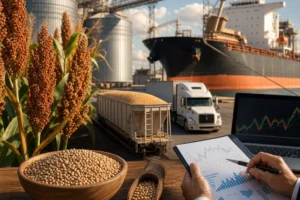
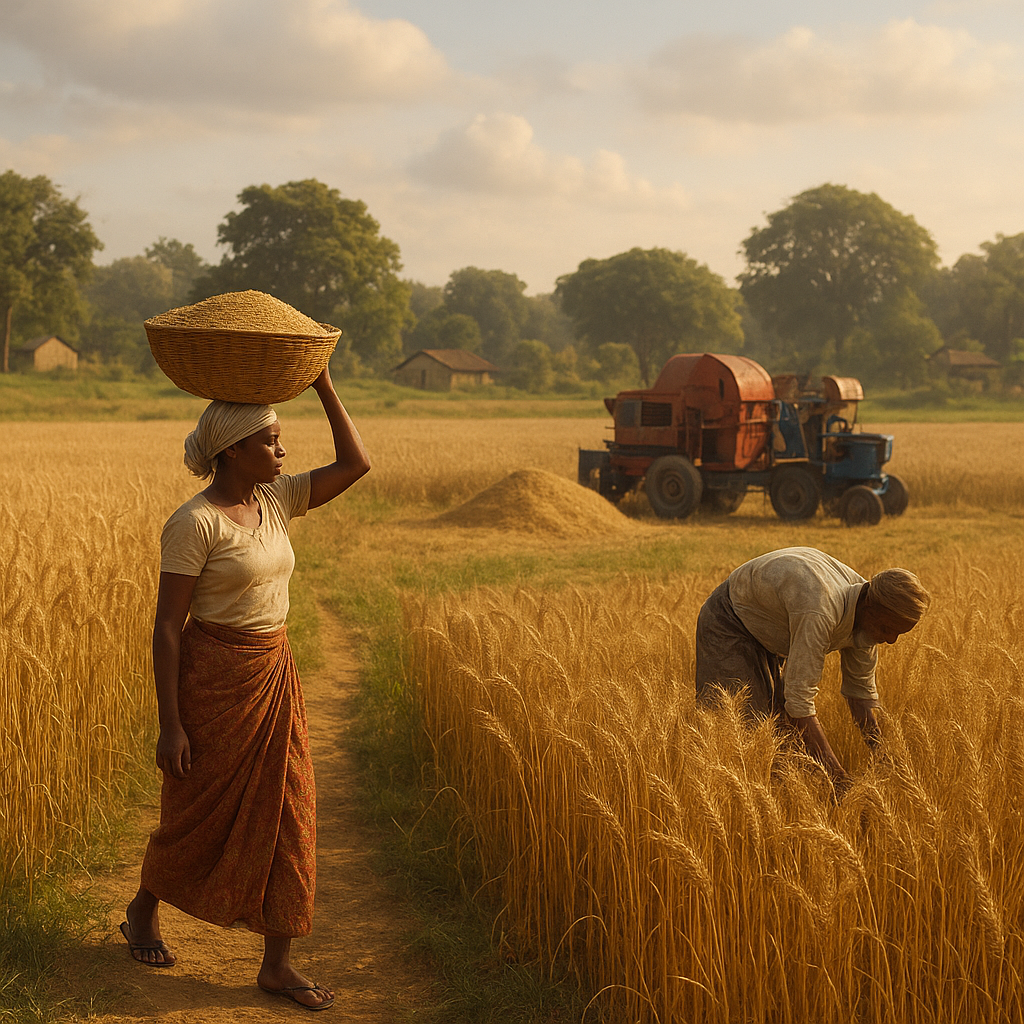
The unprecedented momentum in global grain markets is increasingly propelled by the rapid ascent of developing economies. As demographic expansion, rising incomes, and evolving food preferences converge, the role of low- and middle-income nations in shaping overall demand trajectories cannot be overstated. This article examines the multifaceted drivers behind this shift, explores the challenges and opportunities it presents, and highlights why these markets are central to any robust strategy in the grain sector.
Transformation of Dietary Patterns and Rising Consumption
Over the past two decades, many developing countries have witnessed a striking dietary transition. Traditional staples such as coarse cereals and tubers are gradually being supplemented—or even replaced—by wheat, rice, and maize. Urban households, in particular, embrace convenience foods, meat products, and processed items that rely heavily on grain inputs. This phenomenon is fueled by:
- Population Growth: Nations in Asia, Africa, and parts of Latin America account for the bulk of global population increases, adding millions of new consumers annually.
- Urbanization: As rural dwellers migrate to cities, their diets shift toward more energy-dense, grain-based foods sold through supermarkets and restaurants.
- Changing Lifestyles: Rising female labor participation and longer work hours boost demand for quick, ready-to-eat meals rich in grain derivatives like noodles, snacks, and bakery goods.
These shifts not only raise per capita consumption but also diversify grain portfolios. Where once rice and maize dominated, wheat-based products and feed grains for livestock are rapidly gaining footholds.
Economic Growth and Purchasing Power in Emerging Markets
Steady GDP growth in numerous developing countries has fortified consumer budgets. As incomes climb, households allocate a larger share of their spending to higher-value food items. Grain markets feel this impact in two main ways:
Upgrading the Food Basket
- As real incomes rise, consumers trade up from coarse grains to staple cereals like rice and wheat, which are perceived as more palatable and better aligned with global cuisines.
- Stronger purchasing power supports the expansion of processed grain industries, including flour milling, snack manufacturing, and pasta production.
Livestock and Feed Demand
- Higher incomes spur demand for meat, eggs, and dairy—sectors that consume significant quantities of maize, sorghum, and other feed grains.
- With robust animal protein aspirations, feed conversion ratios and farm productivity become critical, further stimulating grain purchases.
The intersection of rising wealth and evolving consumption patterns has created a virtuous cycle. Grain processors invest in new mills and storage, while farmers intensify production, collectively boosting domestic yield and narrowing supply gaps.
Infrastructure and Supply Chain Dynamics
Despite burgeoning demand, many developing regions grapple with infrastructural bottlenecks. Inadequate roads, insufficient storage facilities, and fragmented market linkages often lead to high post-harvest losses and price volatility. Yet, notable improvements are underway:
- Road and Port Upgrades: Major investments in highways and deep-water terminals reduce transit times and transportation costs, connecting rural producers to urban consumers and export hubs.
- Warehouse Modernization: Steel silos and climate-controlled facilities lower grain deterioration, enabling seasonal arbitrage and price stabilization.
- Digital Marketplaces: E-platforms and mobile applications facilitate real-time price discovery, transparent bidding, and direct farm-to-mill transactions.
Stronger infrastructure not only cushions producers from extreme weather and pests but also empowers local traders to scale operations. Enhanced logistics foster regional grain pools, mitigate supply shocks, and attract private capital into the sector.
Environmental and Policy Factors Shaping Demand
Developing countries face acute environmental challenges—erratic rainfall, soil degradation, and water scarcity—that influence both production and consumption of grains. Governments and stakeholders respond with a blend of policy measures and innovation:
Policy Interventions
- Subsidies and Support Prices: Many states guarantee minimum procurement prices for staple grains to safeguard farmer incomes, indirectly affecting market supply and consumer prices.
- Trade Regulations: Temporary import bans, export quotas, and tariff adjustments are used to balance domestic availability with global price volatility.
Technological Adoption
- Breeding Drought-Tolerant Varieties: Research institutions develop high-yield, climate-resilient seeds that thrive under water stress, expanding arable land potential.
- Precision Agriculture Tools: Remote sensing, soil sensors, and data analytics optimize input use—fertilizer, irrigation, and pesticides—boosting productivity and resource efficiency.
As growing populations strain natural resources, sustainable management of watersheds and soils becomes imperative. International agencies, private investors, and local governments collaborate on watershed restoration, conservation agriculture, and agroforestry, seeking a balance between intensive production and long-term sustainability.
Emerging Trends and Strategic Implications
Looking ahead, developing countries will dominate the incremental trade flows in global grain markets. Several trends are poised to redefine the landscape:
- Vertical Integration: Grain processors acquire or partner with local producers to secure raw material supply, ensuring quality control and cost efficiencies.
- Private Sector Innovations: Agritech startups introduce blockchain-based traceability, mobile finance for smallholders, and crop insurance models that de-risk investments.
- Regional Cooperation: Trade corridors like the African Continental Free Trade Area (AfCFTA) aim to dismantle barriers, fostering intra-regional grain commerce and price convergence.
Policymakers must align incentives to promote equitable access to credit, streamline policy frameworks, and encourage public–private partnerships. Meanwhile, grain exporters and multinational traders should hone their market intelligence on localized consumer preferences, logistical constraints, and regulatory shifts.
Investing in Nutritional Outcomes
As the world grapples with hunger and malnutrition, enhancing the nutrition profile of staple grains takes center stage. Biofortification, value-added milling, and the introduction of ancient grains like millet and sorghum can address micronutrient deficiencies while catering to evolving taste preferences. Public awareness campaigns and school feeding programs further reinforce the role of fortified grains in combating undernourishment.
Harnessing Data for Resilience
Data-driven decision-making can empower stakeholders at every link of the grain value chain. Weather forecasting systems, farm management software, and market analytics reduce uncertainty for farmers, traders, and policymakers alike. By integrating satellite imagery with on-ground intelligence, supply chains become more agile, responsive, and capable of withstanding external shocks.
Envisioning a Collaborative Future
The interplay between developing countries and global grain markets underscores a fundamental truth: achieving food security is a collective endeavor. Multilateral initiatives, bilateral partnerships, and cross-sectoral alliances are instrumental in bridging gaps—be it in production capacity, market infrastructure, or nutritional quality. Embracing holistic approaches that marry economic growth with environmental stewardship will define the next chapter of grain market evolution.