


The relentless challenge of water shortages poses a growing threat to global grain cultivation and the stability of food supplies. Farmers, agronomists and policymakers are scrambling to develop methods that counteract diminishing freshwater reserves, while ensuring steady production levels. This article examines how scarcity alters soil conditions, forces adaptation in farm management, and reshapes the economics of the worldwide cereal market.
Impact on Soil Moisture and Crop Health
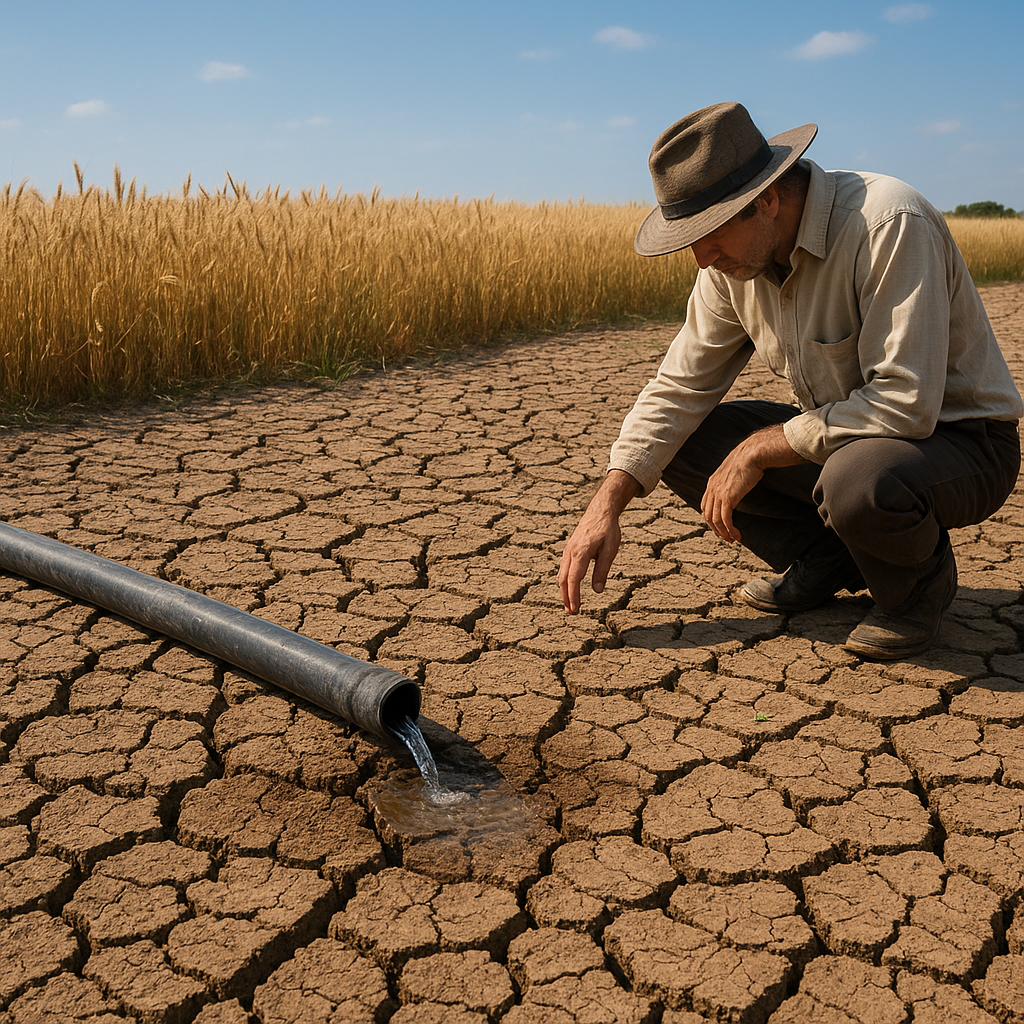
Reduced availability of irrigation sources amplifies stress on crops, especially in regions dependent on surface and groundwater extraction. Insufficient moisture leads to lower soil nutrient uptake, stunted root systems and higher susceptibility to pests. Prolonged dry spells can create compacted topsoil layers that impede seed germination. Scientists have observed declines in average yield per hectare of staple grains such as wheat, rice and maize when water input drops below critical thresholds.
Soil Hydrology Alterations
Key shifts in soil structure under drought conditions include:
- Decreased infiltration rates, reducing deep water reserves.
- Increased evaporation, leading to surface crust formation.
- Higher salinity buildup from repeated partial flooding.
These factors combine to necessitate revised crop rotations and soil management techniques that emphasize moisture conservation.
Adaptation Strategies and Technological Innovations
To counterbalance constrained water supplies, agricultural stakeholders deploy a range of solutions that enhance irrigation efficiency and bolster plant resilience. Modern farms adopt drip and precision irrigation systems that deliver targeted water doses directly to the root zone. Remote sensing technologies, including satellite imagery and drones, enable real-time monitoring of field moisture levels and crop stress indicators.
Breeding and Biotechnology
Advances in plant genetics produce drought-tolerant hybrids capable of maintaining productivity under water-limiting conditions. Marker-assisted selection and CRISPR-based editing accelerate the creation of lines with deeper root profiles and improved osmotic regulation. These scientific breakthroughs aim to secure stable grain outputs even when rainfall patterns become erratic.
Conservation Agriculture Practices
Techniques such as reduced tillage, mulching and cover cropping enhance the soil’s natural water retention capacity. By minimizing surface disturbance and shading the ground, farmers can sustain higher moisture levels for extended periods. Integration of agroforestry and intercropping approaches further reduces evaporation losses and increases biodiversity on cultivated lands.
Economic Implications for Global Grain Markets
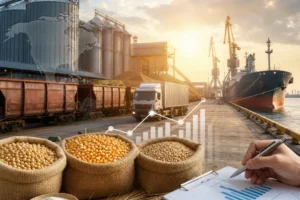
Fluctuations in production volumes reverberate throughout the food supply chain, affecting commodity prices and trade balances. Countries experiencing chronic water limitations often witness diminished export capacity, prompting reliance on imports to satisfy domestic demand. Price volatility intensifies as speculative behaviors and panic buying influence futures contracts for wheat, barley and rice.
Price Shock Transmission
When a major grain‐exporting nation faces a significant drought, the ripple effect can be dramatic. Importing countries may escalate tariffs to protect local producers; supply shortages lead to inflationary pressures on food staples, disproportionately impacting low‐income households.
- Export curbs amplify global price spikes.
- Currency devaluation raises import costs.
- Shifts in trade routes increase logistical expenses.
Policy Measures and International Cooperation
Effective mitigation requires coordinated governance frameworks that span regional jurisdictions and transboundary watersheds. International bodies encourage shared data on river flows, reservoir levels and aquifer depletion to foster equitable water allocations. Multi-stakeholder platforms bring together governments, agribusiness firms and civil society to develop integrated water resource management plans.
Incentives for Sustainable Practices
Subsidies for water-saving technologies, tax credits for farmers implementing sustainability measures and insurance schemes against drought losses create financial buffers. Payment for ecosystem services programs reward landowners for maintaining wetlands and riparian buffers that replenish groundwater reserves.
Trade Agreements and Water Footprints
Emerging trade accords incorporate virtual water concepts, assessing the volume of water embedded in exported grains. By internalizing water footprint metrics, countries can negotiate terms that account for the environmental costs of agricultural production, encouraging producers to adopt more water-efficient systems.
Socioeconomic Challenges and Community Resilience
In regions where rural livelihoods hinge on rainfed agriculture, water scarcity can exacerbate food insecurity and drive migration. Community-based water governance structures—such as cooperatives and irrigation associations—play a pivotal role in equitably allocating limited supplies and maintaining infrastructure.
Grassroots Adaptation
Farmers share knowledge on low-cost innovations like zai pits and contour bunds, traditional methods that capture rainwater and reduce runoff. Women’s groups often spearhead water harvesting initiatives, constructing small ponds and rooftop collection systems to supplement household needs and buffer against dry spells.
Future Outlook and Research Directions
As climate projections indicate more frequent and intense droughts, the agriculture sector must embrace continuous innovation. Research priorities include optimizing crop water use efficiency, developing real-time decision support tools and exploring alternative irrigation sources such as treated wastewater. Strengthening rural extension services and fostering public-private partnerships will be vital to scaling up effective solutions.
Addressing the multifaceted impacts of water scarcity on grain production demands a holistic approach that balances technological advances with social equity and environmental stewardship. Only through collaborative efforts can the global grain market adapt to a future where fresh water is an increasingly precious commodity.