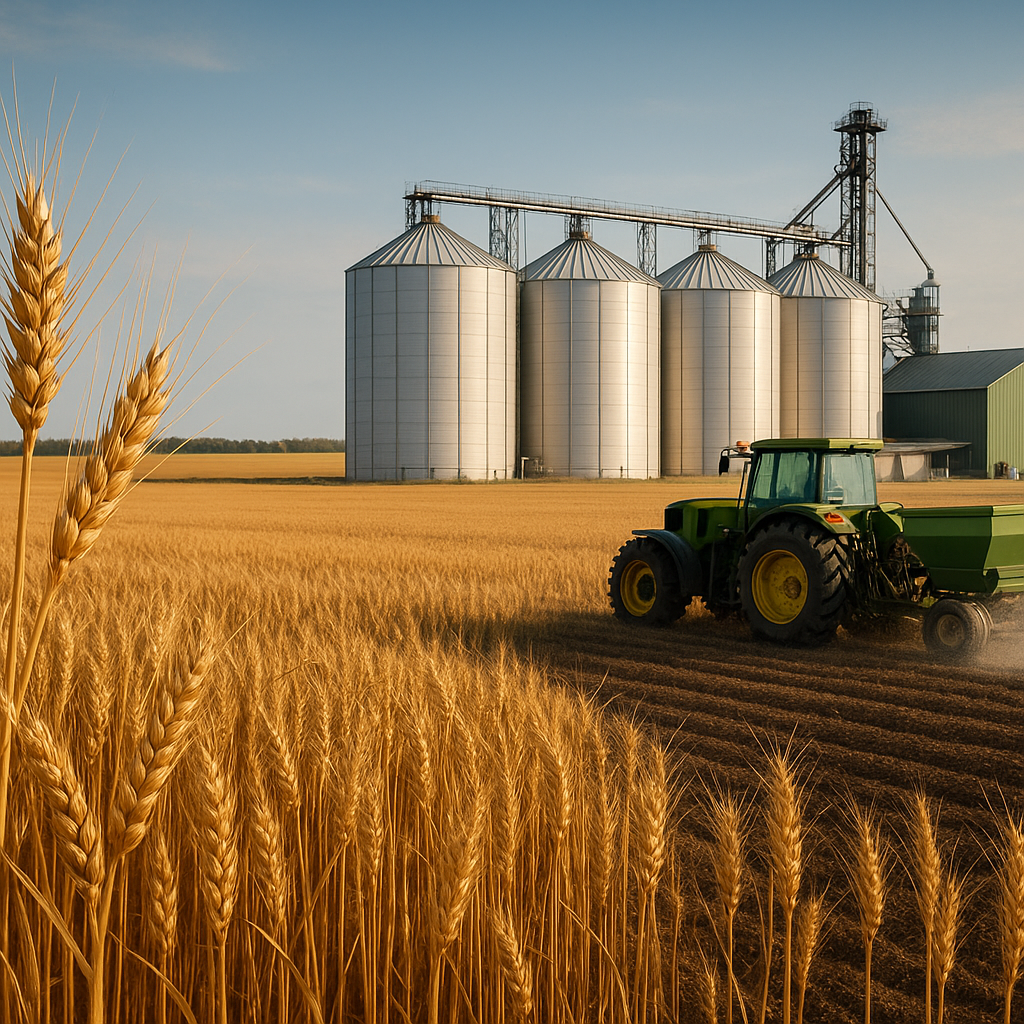



Crop insurance has become an indispensable tool for the grain industry, offering a framework that enhances stability, protects producers against unpredictable events, and bolsters the overall resilience of the agricultural economy. By mitigating the financial consequences of natural disasters, market fluctuations, and other perils, this mechanism ensures that farmers can maintain adequate production levels and contribute to a reliable food supply chain.
Economic Resilience Through Risk Mitigation
Grain cultivation is inherently exposed to a variety of risks, including adverse weather conditions, pest outbreaks, and price volatility. Without adequate protection, farmers face the possibility of severe financial losses that can jeopardize their operations and reduce the availability of staple crops. Crop insurance introduces a layer of security by transferring part of this risk to insurers, thereby enabling producers to invest in modern technologies and sustainable practices.
Key aspects of how insurance fosters economic resilience include:
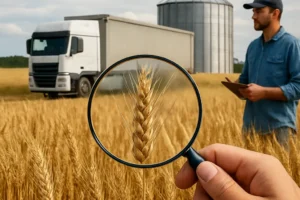
- Yield Protection: Policies often cover deviations from historic production levels caused by droughts, floods, or disease.
- Revenue Coverage: Insurance plans can safeguard against income shortfalls when market prices drop below anticipated thresholds.
- Area-Based Plans: Some programs utilize regional yield data to streamline underwriting and claims, reducing administrative costs.
Role of Premium Subsidies
Government-sponsored premium subsidies play a critical role in making crop insurance accessible. By covering a portion of the premium costs, policymakers ensure that even small and mid-sized farms can enroll. This fosters a more sustainable agricultural landscape by preventing market exit due to catastrophic losses. In many countries, subsidy levels are calibrated to strike a balance between encouraging participation and maintaining program solvency.
Coverage Options and Customization
Modern crop insurance schemes offer a wide array of coverage options, allowing farmers to tailor their policies according to geographic location, crop type, and risk tolerance. Options may include:
- Actual Production History (APH) Plans – based on individual farm records over several years.
- Multi-Peril Crop Insurance (MPCI) – providing broad protection against multiple hazards.
- Named Peril Policies – covering specific risks such as hail or frost.
Such flexibility empowers producers to optimize their risk management strategy while maintaining cost efficiency.
Impact on Grain Market Dynamics
The presence of comprehensive crop insurance programs has a transformative effect on grain market dynamics. Insured farmers are more likely to enter futures markets, adopt forward contracting, and engage in value-added activities, enhancing the sector’s overall functionality and competitiveness.
Price Stability and Market Confidence
By shielding farmers from extreme losses, crop insurance helps stabilize supply expectations. Buyers, traders, and processors can plan procurement more effectively when there is confidence that production targets will be met. This market certainty can dampen speculative price swings, benefiting both producers and consumers.
Encouraging Investment and Modernization
Access to crop insurance often correlates with greater willingness to invest in advanced agronomic practices such as precision planting, variable-rate fertilization, and integrated pest management. The assurance that potential shortfalls will be covered encourages the adoption of innovations that increase yields and improve resource use efficiency.
- Capital Access: Insured farms may find it easier to secure loans, as lenders view coverage as a mitigating factor for default risk.
- Long-Term Planning: Confidence in baseline revenues allows producers to develop multi-year crop rotation and soil health plans.
- Sustainability Goals: Insurance can facilitate transitions to conservation tillage, cover cropping, and other environmentally beneficial practices.
Government Policies and Regulatory Framework
Public policy underpins the functioning of crop insurance markets through regulations, financial support, and oversight. Effective collaboration among administrators, insurers, and farmer organizations is essential to maintain program integrity and adapt to emerging challenges such as climate change.
Program Administration and Compliance
A central authority typically oversees the approval of insurers, sets coverage standards, and enforces compliance. Transparent reporting protocols and rigorous actuarial analysis are required to ensure that premium rates reflect genuine risk profiles. Regular audits and loss adjustment reviews help prevent fraud and maintain trust among stakeholders.
Balancing Subsidies and Fiscal Responsibility
While government subsidies drive participation, they also represent a significant public expenditure. Policymakers face the challenge of designing subsidy levels that promote adequate coverage without overstretching budgets. Approaches such as targeted support for vulnerable regions, means-tested premium assistance, and sunset clauses for overly generous programs help maintain financial sustainability.
Future Trends and Innovations
Looking ahead, the grain sector is poised to benefit from technological advances and data-driven risk assessment tools that promise to enhance the precision and cost-effectiveness of crop insurance.
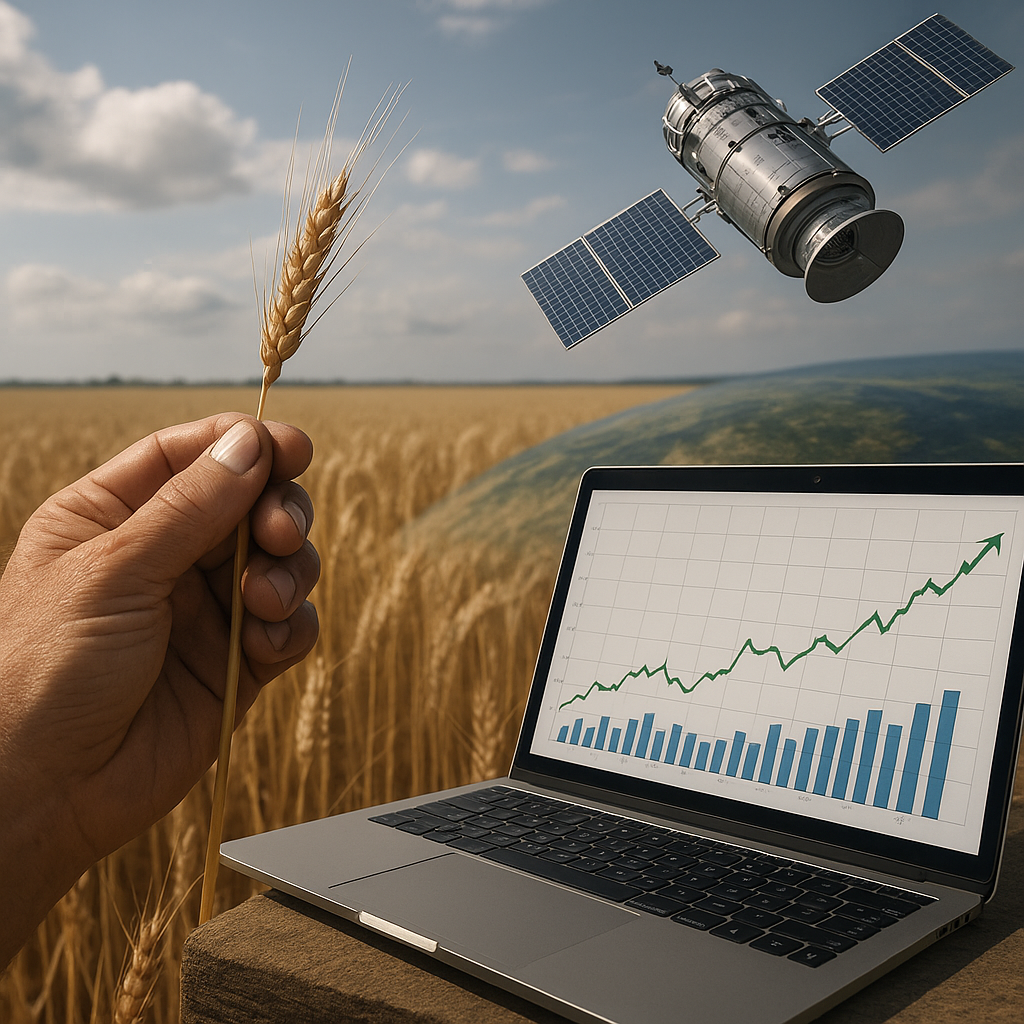
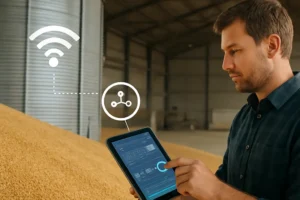
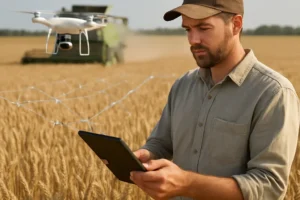
- Satellite Imagery and Remote Sensing: Real-time monitoring of crop health and acreage reduces the need for extensive field inspections and accelerates claim settlements.
- Blockchain and Smart Contracts: Secure, transparent platforms can automate policy execution and payout triggers based on verifiable distance data.
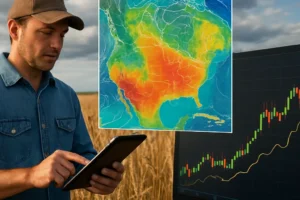
- Climate Modeling Integration: Predictive analytics enable more dynamic pricing and resilient underwriting, reflecting evolving weather patterns.
As these innovations mature, the industry will need to address data privacy, equitable access, and interoperability among systems. Ultimately, enhancing the synergy between insurance providers and grain producers will underpin a more robust and sustainable global food network.