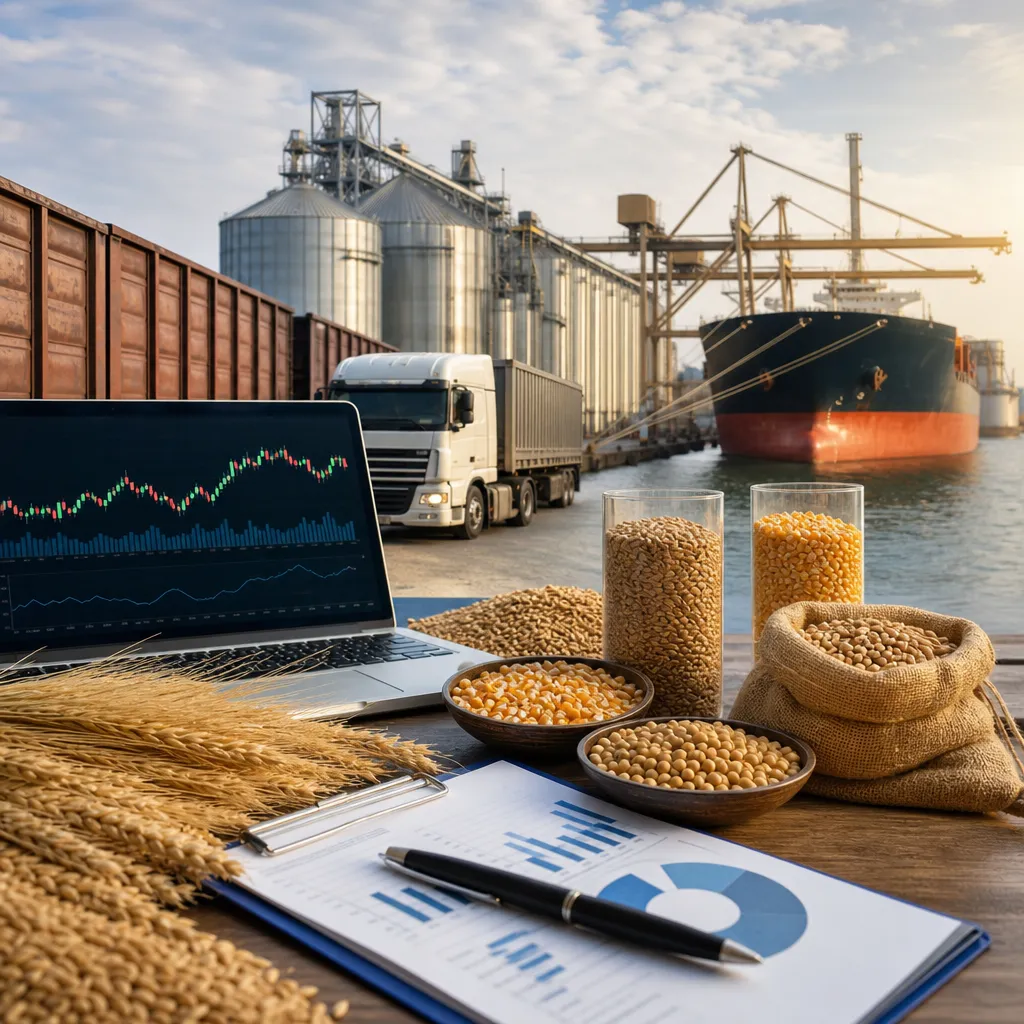
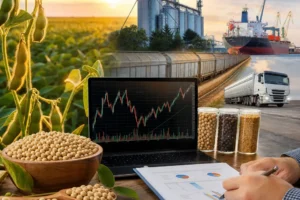
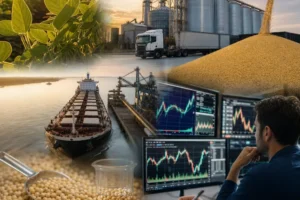
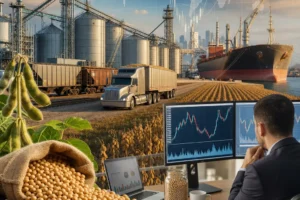
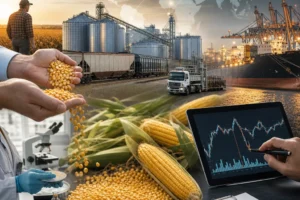
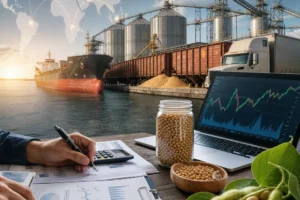
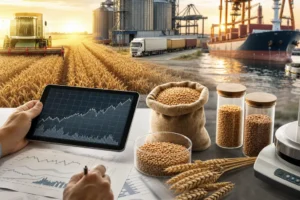
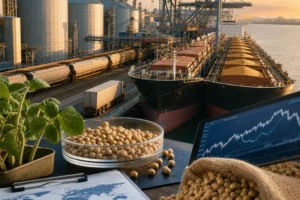

The stability of global grain markets faces unprecedented challenges as regional conflicts escalate across key agricultural hubs. Intersections of warfare, political strife, and economic sanctions can trigger ripple effects that disrupt supply chains, amplify price volatility, and threaten food security worldwide. This article examines the vulnerabilities inherent in today’s interconnected grain trade, explores how localized tensions impair production and distribution, and evaluates strategies aimed at fostering resilience in the face of persistent geopolitical shocks.
Global Grain Market Vulnerabilities
Concentration of Production and Export
The international grain trade is characterized by a high degree of geographic concentration. A handful of countries account for the majority of wheat, maize, and barley exports. This commodity concentration means that disturbances in one region can have outsized consequences elsewhere. Key exporters must maintain stable political environments, reliable infrastructure, and transparent regulatory regimes to ensure uninterrupted flows.
Factors underlying these vulnerabilities include:
- Dependence on a small number of export ports and major shipping lanes
- Reliance on critical inputs such as fertilizers, fuel, and machinery that may be imported
- Limited alternative sources for certain grain varieties, restricting buyer flexibility
Integrated Supply Chains and Logistical Risks
Modern grain distribution networks are deeply integrated, spanning from harvest machinery in rural areas to container terminals at seaports. Any disruption—be it damage to rail lines, closure of border crossings, or shipping insurance premiums skyrocketing in conflict zones—can choke off logistics. Insurance companies may refuse coverage for vessels transiting contested waters, while armed groups might target storage facilities, creating transport bottlenecks and increased operational costs.
Impact of Regional Conflicts on Grain Stability
Production Shortfalls and Harvest Interruptions
When conflicts erupt in agricultural heartlands, farm operations suffer immediate consequences. Labor shortages arise as workers enlist or flee, machinery remains idle due to maintenance disruptions, and planting schedules shift unpredictably. Fields may lie fallow if seeding windows are missed, while harvesting during active hostilities risks equipment loss. These production shortfalls can erode global inventories, driving prices higher.
Trade Restrictions and Sanctions
Governments and international bodies often impose trade measures in response to hostilities. Export bans and import tariffs, designed to exert pressure on warring parties, inadvertently disrupt civilian food supplies. Sanctions may restrict the sale of fertilizers or agricultural technology to sanctioned states, further depressing yields. Exporters facing regulatory uncertainty may withhold cargoes until license approvals arrive, creating stockpiles that intensify market anxiety.
Financial Market Repercussions
Commodity traders and hedge funds react swiftly to news of territorial disputes or sectarian strife. Grain futures contracts can spike on rumors of port blockades or military incursions, compounding the real-world challenges for import-dependent countries. Elevated financing costs deter smaller players from participating in forward contracts, leading to volatility and a decline in overall market liquidity.
Mitigation Strategies and Future Outlook
Diversification of Supply Sources
Reducing dependence on any single region is imperative. Importers can secure diversification by cultivating relationships with suppliers on multiple continents and investing in alternative transport routes. Agile sourcing agreements, including flexible origin clauses, allow buyers to pivot when one supplier becomes compromised. Strengthening trade ties with emerging exporters in South America, Africa, and Central Asia can provide crucial buffer capacity.
Strengthening Infrastructure and Storage
Building resilient grain handling facilities inland diminishes reliance on vulnerable coastal ports. Upgrading rail networks, reinforcing warehouses against sabotage, and implementing digital tracking systems enhance transparency and reduce the risk of loss. Public–private partnerships can finance these projects, ensuring that logistics corridors remain operational even during crises.
Investment in Technology and Innovation
Advances in crop genetics, precision agriculture, and remote sensing can mitigate the effects of disrupted traditional practices. Drought- and pest-resistant seed varieties bolster yields in marginal areas, while satellite imagery helps identify potential threats to farmland. Blockchain platforms for trade settlements increase trust among stakeholders and expedite payments, improving cash flow during turbulent periods.
Policy Coordination and International Cooperation
Addressing the intersection of conflict and food security requires concerted global action. Multilateral organizations must facilitate grain corridors, negotiate humanitarian exemptions to sanctions, and maintain emergency buffer stocks. Early-warning systems for conflict-induced supply shocks enable governments to deploy strategic reserves pre-emptively, stabilizing markets before panic-driven price surges occur.
Building Resilience in an Uncertain Era
The persistent threat of regional hostilities underscores the necessity of a holistic approach to grain market stability. By emphasizing resilience through diversified sourcing, robust infrastructure, cutting-edge adaptation measures, and proactive policy alignment, stakeholders can better shield consumers from sudden shocks. While geopolitics will continue to cast a shadow over agricultural trade, prudent strategies and collaborative frameworks will remain our best defense against future crises.