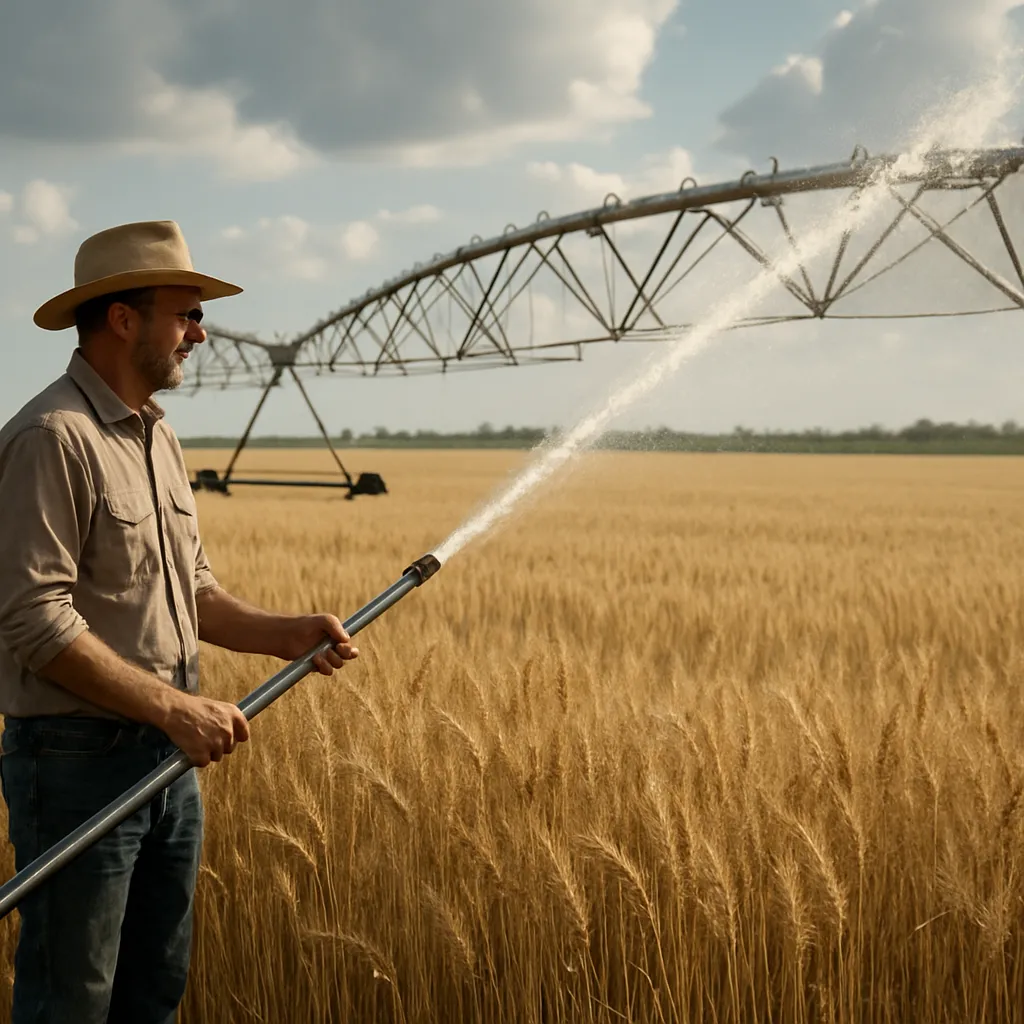






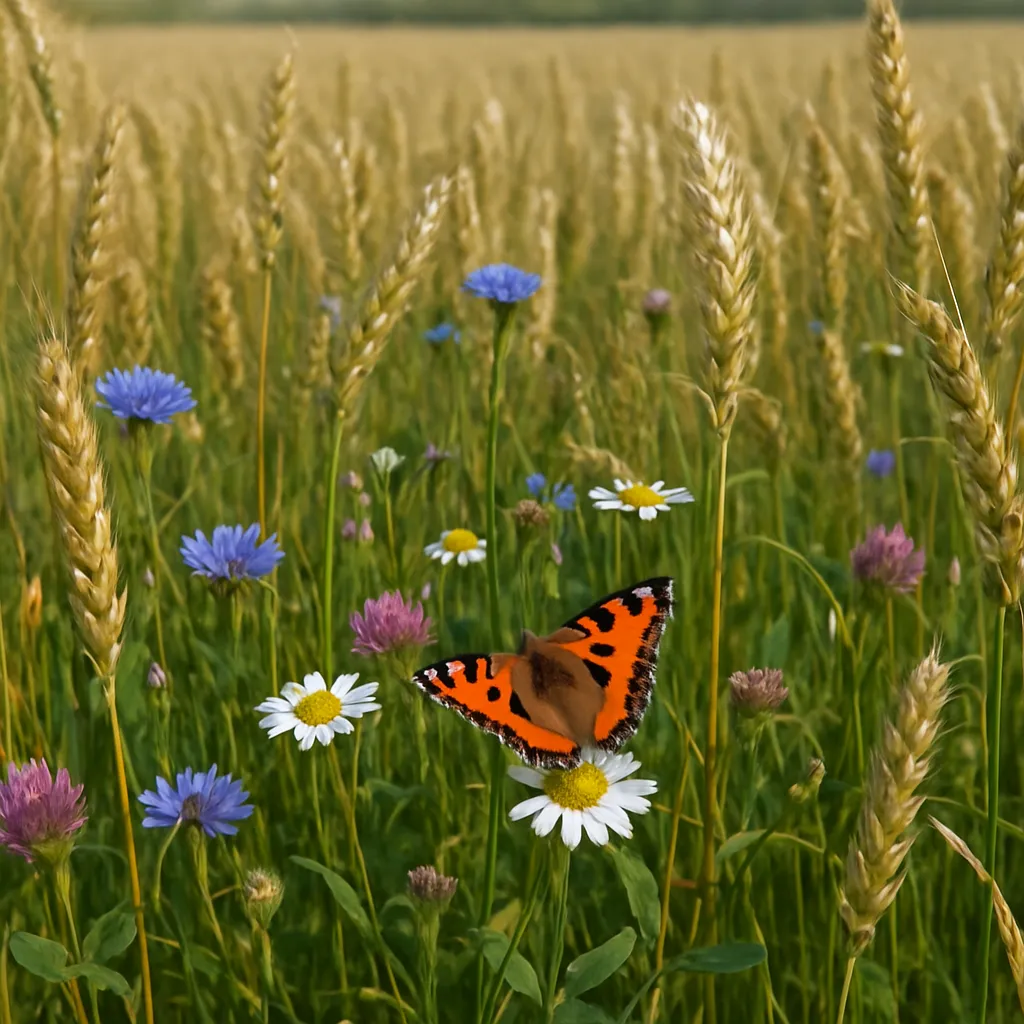
The intricate relationship between grain production and the environment extends far beyond simple yield figures. As global demand for staple crops climbs steadily, the need to understand how agricultural practices influence the living world around us has never been more urgent. This article explores why maintaining rich biodiversity in grain agriculture is critical for long-term success, both in fields and on markets.
Agricultural Ecosystems and the Value of Biodiversity
Intensive grain farming often relies on large-scale monocultures, where a single variety of wheat, rice or maize dominates vast fields. While this approach simplifies management and maximizes short-term yields, it also erodes the natural ecosystem that supports resilient production. Wild plants, insects and microorganisms play indispensable roles in nutrient cycling, pest regulation and pollination. When diversity collapses, the agroecosystem becomes vulnerable to outbreaks of disease and pest infestations.
For instance, a diverse community of predatory insects can naturally curb the population of harmful pests, reducing reliance on chemical pesticides. In contrast, monocultures create ecological vacuums that pests exploit, driving farmers to apply increasingly potent chemicals. Over time, pests develop resistance and new threats emerge, compelling a cycle of intensification that can undermine both resilience and profitability.
Key ecosystem functions supported by biodiversity in grain fields:
- Natural pest suppression
- Enhanced pollination services
- Improved soil structure and fertility
- Buffering against extreme weather events
By integrating hedgerows, cover crops and varied planting schedules, farmers can foster pockets of natural habitat and strengthen the biological web that underpins sustainable grain yields.
Genetic Diversity in Grain Crops: A Pillar of Stability
Genetic diversity within a single crop species represents a treasure trove of traits—drought tolerance, disease resistance and nutritional quality. Traditional landraces and heirloom varieties often carry unique adaptations honed over centuries in local climates. Modern breeding programs increasingly tap into this gene pool to develop cultivars that can withstand evolving threats such as new fungal pathogens or shifting rainfall patterns.
When farmers plant the same high-yielding variety across thousands of hectares, a uniform genetic profile leaves the entire harvest at risk if that variety succumbs to a novel virus or extreme heat spell. By contrast, mixing multiple varieties—even in small proportions—creates a safeguard against total crop failure. In practice, community seed banks and participatory breeding initiatives empower smallholders to preserve and exchange a broad array of seeds, ensuring that the benefits of sustainability reach both rural and commercial producers.
Strategies to maintain genetic diversity:
- Rotating varieties each season
- Intercropping complementary cultivars
- Supporting public genebanks and local seed networks
- Incentivizing breeding for diverse traits
By valuing a mixture of high-yield lines and regionally adapted landraces, grain systems can achieve both productivity and long-term market stability.
Ecosystem Services, Soil Health and Climate Resilience
Healthy soils teem with a myriad of organisms—from bacteria and fungi to earthworms and microarthropods—that drive nutrient turnover and carbon sequestration. These belowground communities constitute one of the most important agroecosystem services, yet they often suffer when farmers rely heavily on synthetic fertilizers and tillage-intensive methods. Continuous plowing disrupts soil structure, exposing organic matter to rapid decomposition and releasing greenhouse gases.
Conversely, practices such as reduced tillage, cover cropping and the integration of legumes can foster robust soil biota, which in turn improve water infiltration and nutrient availability. This virtuous cycle enhances crop performance under both drought and excessive rainfall. In many grain-producing regions, climate change has introduced erratic weather patterns, making it essential to bolster fields’ natural capacity to buffer extremes.
Benefits of biodiversity-friendly soil management:
- Greater water retention in dry periods
- Reduced erosion during heavy rains
- Enhanced nutrient-use efficiency
- Lower greenhouse gas emissions
By diversifying ground cover and minimizing chemical inputs, growers contribute to a self-regulating system where soil organisms drive productivity and resilience simultaneously.
Market Implications: Risks and Opportunities of Diversification
At first glance, specializing in a single high-demand grain might seem economically rational. Yet this strategy can backfire when price volatility, supply shocks or regulatory shifts occur. For example, sudden trade restrictions on one crop can leave farmers overexposed. Conversely, cultivating a portfolio of grains—such as wheat, barley and sorghum—allows producers to pivot more easily in response to market signals.
Moreover, consumer demand for sustainably produced food is on the rise. Brands that emphasize their commitment to environmental stewardship often command premium prices. Labeling initiatives that highlight soil health certification or low pesticide residues create market differentiation. By showcasing a diversified cropping system that supports wildlife and conserves natural resources, farmers can tap into growing segments of conscientious buyers.
Value-added pathways:
- Organic or regenerative agriculture certification
- Direct-to-consumer sales via cooperatives
- Traceability platforms documenting field-level biodiversity
- Collaborations with food processors seeking sustainable sourcing
These strategies not only distribute financial risk but elevate the farm’s reputation within both local and global supply chains.
Embracing a mixed-crop approach can also smooth labor demands throughout the year and reduce peak machinery costs, thereby aligning operational efficiency with ecological integrity. Ultimately, a resilient market position depends on the same principles that sustain healthy fields: diversity, adaptability and foresight.