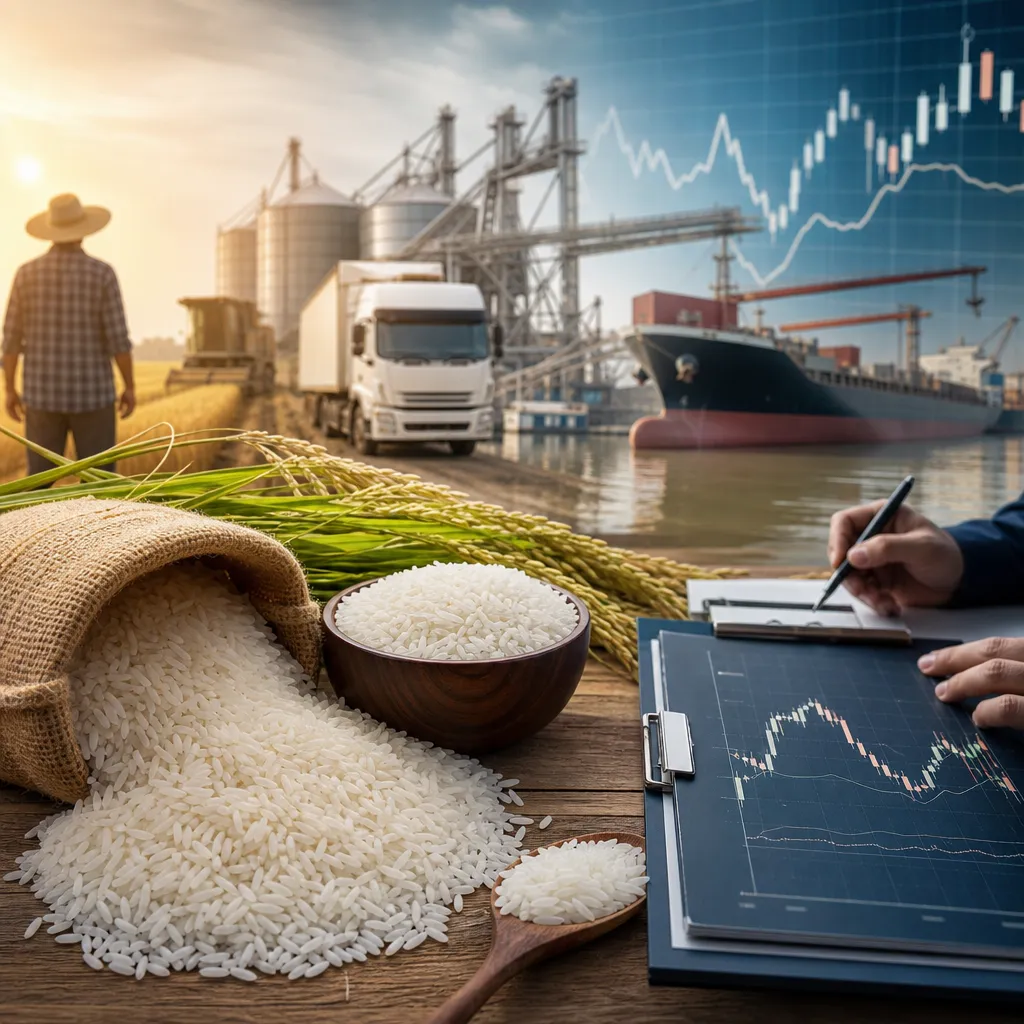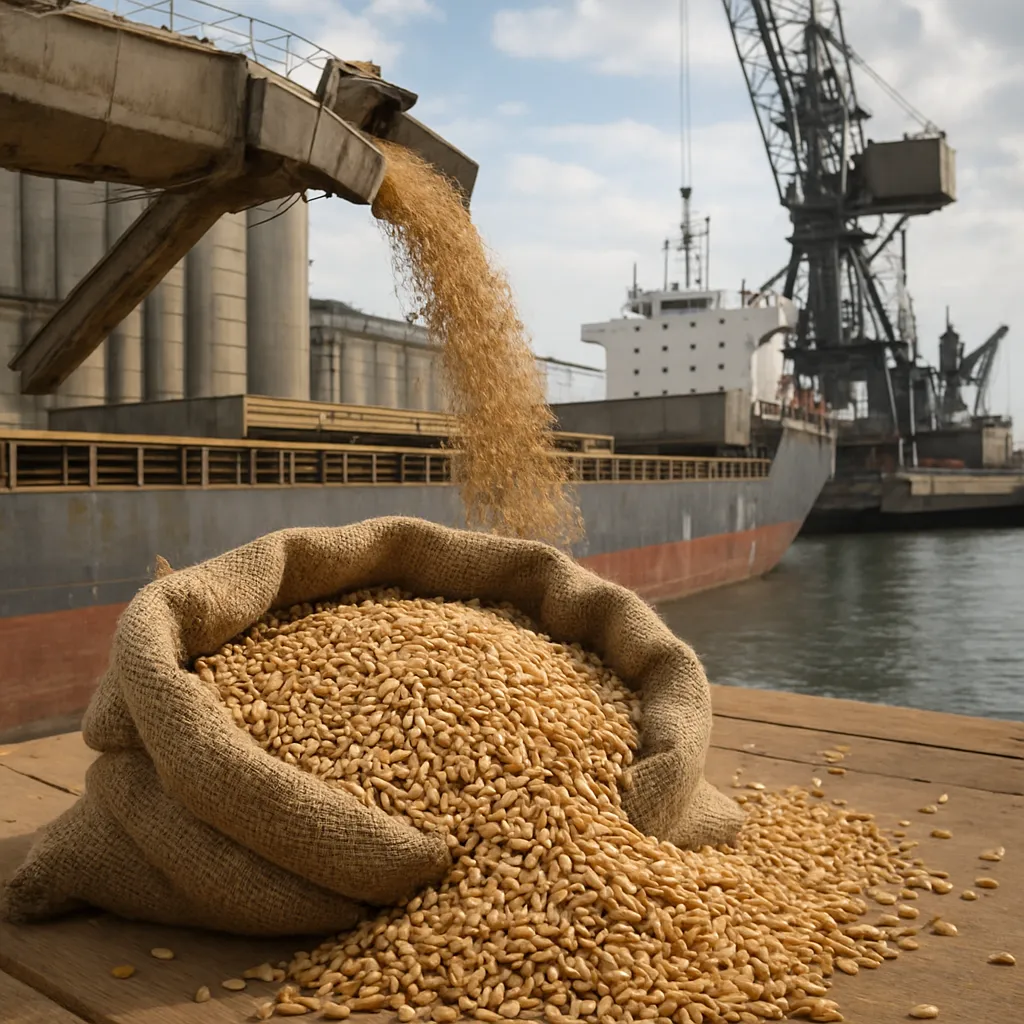

The grain industry plays a pivotal role in global food security and commodity markets. As supply chains expand and market participants grow more sophisticated, **risk management** becomes essential. Financial institutions actively engage with the grain sector, offering tailored **hedging** solutions to mitigate unpredictable fluctuations. This article examines the core dynamics of grain markets, identifies key sources of price instability, and explores the advanced strategies used by banks, trading houses, and specialized funds to protect stakeholders against agricultural volatility.
Market Dynamics in the Grain Sector
The global grain market encompasses major staples such as wheat, corn, barley, and rice. Production volumes vary significantly by region, influenced by climate, soil fertility, and agronomic practices. In North America, the United States and Canada account for a large percentage of exports, while the European Union and Ukraine serve both domestic and international needs. Similarly, South American producers like Brazil and Argentina are emerging as powerful exporters for corn and soybeans.
Seasonality dictates planting and harvest cycles, driving distinct periods of high and low supply. Concerns about crop yields during planting seasons can trigger anticipatory price movements. Conversely, harvest announcements often result in sharp price corrections. Meanwhile, international trade policies, tariff changes, and export restrictions can further exacerbate supply uncertainties. The interplay of these factors creates persistent **volatility** in pricing.
- Supply chain complexity: From farmgate to terminal elevators and ocean freight, each link introduces its own risk.
- Transportation bottlenecks: Rail and port congestions can delay shipments, triggering localized price spikes.
- Storage considerations: Grain quality degradation over time demands careful inventory management and contract structuring.
Risk Factors and Price Volatility
Understanding the primary risk drivers is crucial for financial institutions designing robust agricultural hedges. Weather extremes—droughts, floods, frost—remain the most apparent threats, affecting yield projections and harvest timelines. In addition, macroeconomic trends such as currency fluctuations can alter export competitiveness. A weaker domestic currency typically boosts export demand but increases the cost of imported inputs like fertilizers and machinery.
Pest outbreaks and plant diseases can devastate crops within weeks, disrupting anticipated supply curves. Political disruptions, including trade embargoes or civil unrest in key producer nations, can abruptly curtail exports. Meanwhile, global energy prices influence fertilizer costs, creating an indirect but significant linkage between crude oil markets and grain price dynamics.
Basis Risk
Even with futures markets in place, producers and buyers face **basis risk**—the differential between the local cash price and the related futures contract at a specific delivery point. Variations in local demand, transportation costs, and storage availability can widen or narrow this spread, exposing participants to additional uncertainty beyond outright price movements.
Counterparty Risk
When engaging in over-the-counter (OTC) instruments, traders and institutions must assess the creditworthiness of counterparties. Defaults or trade disputes can lead to significant losses if margin calls cannot be met. Proper due diligence and collateral structures help mitigate this exposure.
Hedging Strategies Employed by Financial Institutions
Financial players utilize a variety of **derivatives** and structured products to shield clients against unpredictable swings. The most prevalent instruments include futures contracts, options, swaps, and OTC agreements. Institutions often combine multiple tools to achieve finely tuned risk profiles.
Futures Contracts
Exchange-traded grain futures on platforms such as the Chicago Board of Trade (CBOT) offer standardized quantity, quality, and delivery terms. Producers can lock in selling prices in advance, while end-users secure future purchase costs. Margin requirements and daily mark-to-market procedures ensure transparency and reduce default probability.
- Price discovery: Futures markets aggregate global sentiment on supply-demand balance.
- Liquidity: High trading volumes facilitate rapid entry and exit from positions.
- Standardization: Uniform contract specifications simplify clearing and settlement.
Options on Futures
Options confer the right, but not the obligation, to buy or sell futures at a predetermined strike. Grain producers may purchase put options to establish floor prices, while consumers buy calls to cap maximum costs. For a premium, this flexibility offers asymmetric protection against adverse moves while preserving upside potential in favorable scenarios.
Over-the-Counter (OTC) Swaps and Forwards
OTC agreements allow customization beyond exchange constraints. An institution might structure a forward contract specifying precise delivery locations, quality gradations, or variable pricing based on local indices. These bespoke arrangements can address unique needs but require careful monitoring of **counterparty risk** and appropriate collateral posting.
Structured Products
Innovative structures blend multiple derivatives to tailor risk-return profiles. Examples include collar strategies—simultaneous purchase of puts and sale of calls—to finance premium costs, or knock-in/knock-out options that activate only when prices breach specific thresholds. Such products can align with budgetary constraints and cash flow cycles of corporate clients.
Integration of Physical and Financial Markets
Bridging the gap between tangible grain flows and financial instruments demands coordinating logistics, quality standards, and risk controls. Forwarders, warehouses, and quality inspectors play crucial roles in verifying contract terms for physical delivery, thereby underpinning the integrity of financial contracts.
Financial institutions often partner with commodity trading advisors (CTAs) and specialized brokers to source market intelligence and execution capabilities. This collaboration ensures that hedging programs remain aligned with operational realities. Additionally, technology platforms now enable real-time monitoring of price movements, margin calls, and inventory levels, enhancing responsiveness.
- Electronic trading systems streamline order routing and execution.
- Data analytics improve forecast accuracy for crop yields and price trends.
- Blockchain pilots aim to increase transparency across supply chains.
Emerging Trends and Future Outlook
As climate change intensifies, grain markets may experience more frequent and severe disruptions. Financial institutions are expanding their toolkits to include weather derivatives and parametric insurance, enabling payouts based on predefined weather indices rather than physical losses. This development offers a faster, more objective method of risk transfer.
Meanwhile, sustainability-focused investors are pushing for responsible practices throughout the value chain. Green financing linked to regenerative agriculture and reduced carbon footprints is gaining traction. Institutions that integrate environmental metrics into their hedging frameworks can attract capital and foster long-term resilience.
Ultimately, the evolving interplay of technology, regulation, and market forces will shape the next generation of hedging solutions. By leveraging advanced **risk management** techniques and maintaining close ties with both producers and end-users, financial institutions will continue to play a central role in stabilizing grain markets worldwide.