


The **global** landscape of **grain** consumption is undergoing a profound transformation as consumers, driven by evolving **dietary** preferences and heightened awareness of **nutrition**, reshape demand patterns. From the culinary traditions of rice and wheat to the rising prominence of ancient cereals like quinoa and millet, the **market** for grains is becoming more diverse and competitive. This article explores how changing diets influence grain consumption, examining key drivers, nutritional implications, economic impacts, and the path toward more **sustainable** production and distribution.
Evolving Dietary Preferences and Grain Demand
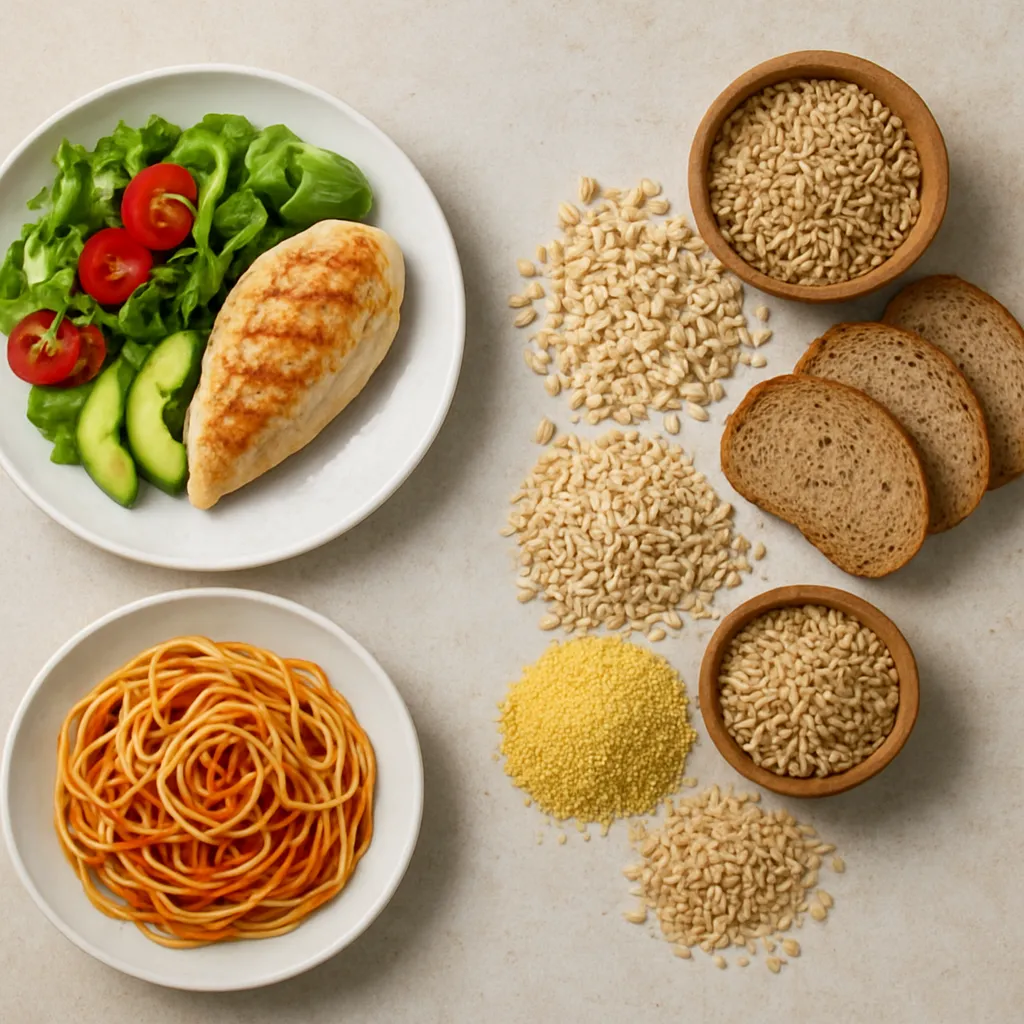
Shifting food choices around the world are profoundly impacting the consumption of staple grains such as wheat, rice, and corn, as well as less common varieties. Consumers increasingly seek out gluten-free alternatives, high-protein seeds, and wholegrain products, driven by health concerns, allergies, and lifestyle trends. For instance, the rise of the gluten-free movement has boosted demand for grains like sorghum and millet, while the popularity of plant-based diets has elevated quinoa and buckwheat as protein-rich substitutes.
Urbanization plays a significant role: city dwellers often prefer convenient, pre-processed grain-based foods—ready-to-eat cereals, snack bars, and instant noodles—over traditional staples. Meanwhile, rural populations may continue to rely on locally grown staples, preserving long-standing dietary customs. This urban–rural dichotomy drives regional variations in grain demand, prompting producers and suppliers to adapt their strategies accordingly.
Consumption patterns are further shaped by cultural influences and global trade. As cuisines fuse and travel becomes more accessible, consumers experiment with foreign grain-based dishes—sushi rolls, couscous salads, and tortillas—integrating new staples into daily meals. Such culinary cross-pollination fosters broader acceptance of alternative grains and stimulates international **market** opportunities.
Moreover, social media and influencer marketing amplify emerging trends: food bloggers promote smoothie bowls topped with chia and hemp seeds, while celebrity chefs highlight heirloom wheat varieties in artisanal breads. These endorsements can spark rapid upticks in demand, compelling conventional grain producers to diversify their crop portfolios or partner with niche growers to remain competitive.
Nutritional Trends Shaping Grain Varieties
Modern consumers are more educated about the macronutrient and micronutrient profiles of grains, driving demand for options that deliver enhanced **nutrition**. Whole grains, prized for their fiber content and associated health benefits—reduced risk of cardiovascular disease, improved digestive health, and better weight management—have gained prominence over refined counterparts. Consequently, producers are labeling products with wholegrain certifications and highlighting bran and germ components to attract health-conscious buyers.
Protein-enriched grains represent another growth segment. With the surge in vegetarian and vegan diets, legumes like chickpeas and lentils are being processed into flour blends, boosting the protein content of baked goods and pasta. Likewise, barley and rye are marketed for their unique bioactive compounds and slower glycemic response, catering to diabetics and fitness enthusiasts.
Sustainability considerations are also influencing nutritional preferences. Consumers concerned about resource-intensive crops are turning to drought-tolerant grains such as sorghum, teff, and fonio, which require less water and fertilizer. These alternative cereals not only support environmental stewardship but also offer distinct flavors and textures that enrich culinary diversity.
- Ancient Grains: Quinoa, amaranth, and millet deliver complete protein profiles.
- Gluten-Free Staples: Rice, maize, and buckwheat cater to celiac and gluten-sensitive individuals.
- Functional Ingredients: Barley beta-glucans and rye fibers enhance heart health.
Food scientists and agricultural researchers continue to develop biofortified grains—fortified with vitamins, minerals, or enhanced amino acid profiles—to address nutrient deficiencies in vulnerable populations. These innovations promise to elevate the **economies** of grain production by combining yield improvements with superior nutritional quality.
Economic and Market Dynamics
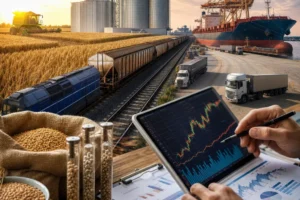
The commercial **market** for grains is characterized by volatility in pricing, influenced by weather events, geopolitical tensions, and global supply chain disruptions. Climatic anomalies such as droughts, floods, and heatwaves can drastically reduce yields of major crops like corn and wheat, sending prices soaring and triggering concerns over food security. Conversely, bumper harvests may lead to oversupply and depressed prices, squeezing farm incomes.
Trade policies, tariffs, and export restrictions further complicate the picture. Regions heavily dependent on grain imports—North Africa, the Middle East, and parts of Asia—are particularly sensitive to price fluctuations. To mitigate risks, some countries are investing in domestic grain reserves and incentivizing local production, while others diversify procurement sources to ensure stable supplies.
Investment trends reveal growing interest in commodity futures, agritech startups, and farmland acquisitions. Large institutional investors are allocating capital to grain storage facilities, logistic networks, and precision agriculture technologies—drones, sensors, and data analytics—to optimize yield and reduce waste. Such technological adoption enhances traceability, allowing consumers to verify the origin and environmental footprint of their grains.
Emerging economies, particularly in Sub-Saharan Africa and Southeast Asia, present lucrative growth prospects. Rising incomes and urbanization fuel demand for processed grain products and baked goods. Local entrepreneurs capitalize on these trends by establishing small-scale milling operations and introducing fortified flours tailored to regional tastes. These initiatives not only stimulate rural development but also improve dietary outcomes in underserved communities.
Sustainability and Future Prospects
Ensuring the long-term viability of grain systems requires balancing productivity with environmental responsibility. Strategies such as conservation agriculture, crop rotation, and integrated pest management help sustain soil health and biodiversity. Meanwhile, regenerative practices—cover cropping, no-till farming, and agroforestry—sequester carbon and enhance resilience against climate shocks.
The role of biotechnology is expanding, with genetically modified and gene-edited crops engineered for drought tolerance, pest resistance, and nutrient enrichment. While these innovations promise substantial yield gains and reduced chemical inputs, regulatory hurdles and public perceptions vary across regions. Transparent communication and rigorous safety assessments are essential to build consumer trust.
Looking ahead, the convergence of health, **sustainability**, and technological innovation will redefine the grain sector. Personalized nutrition, driven by genomics and AI, may guide consumers toward grain varieties best suited to their metabolic profiles. Blockchain-based supply chains could ensure provenance verification and fair-trade premiums for smallholder farmers. Ultimately, the dynamic interplay of **dietary** trends, economic forces, and environmental imperatives will shape the future of global grain consumption, fostering systems that are both resilient and equitable.