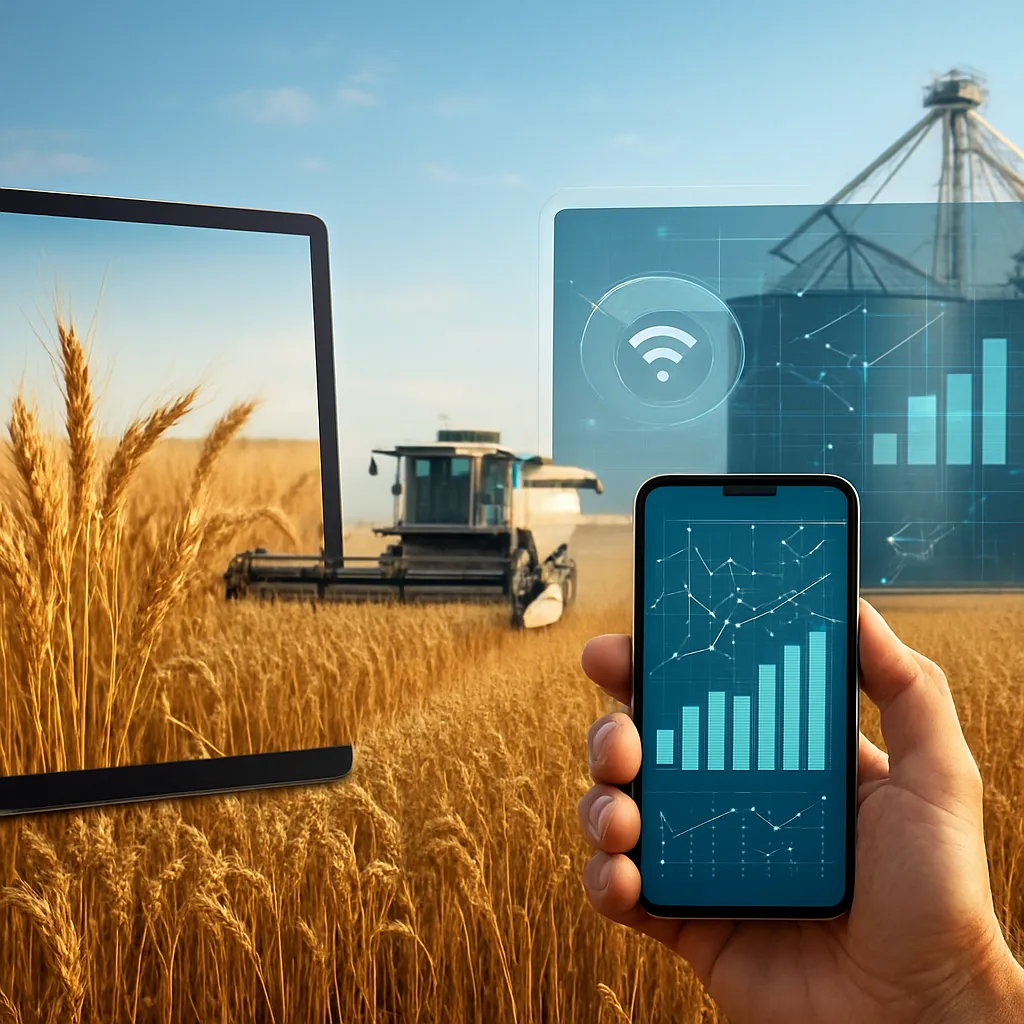
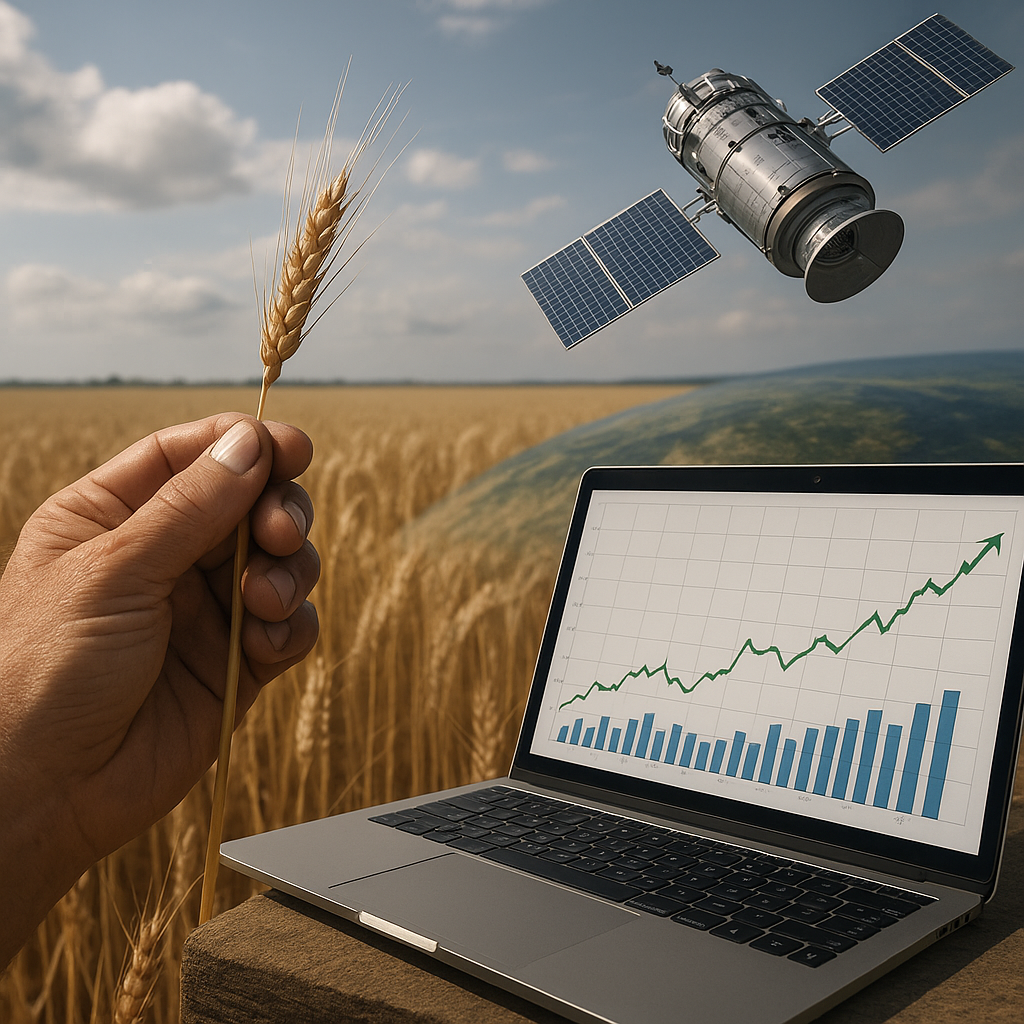
Advancements in satellite imagery and geospatial analytics have transformed the grain industry by providing timely insights into crop conditions, supply forecasts, and market trends. The integration of remote sensing technologies into grain market intelligence enables stakeholders—from farmers and traders to policymakers—to make data-driven decisions. By leveraging high-resolution data on vegetation health, soil moisture, and weather patterns, the sector can optimize yield estimates, anticipate price volatility, and enhance risk management strategies.
Satellite Data Analysis for Crop Monitoring
Satellite-based sensors capture information across multiple spectral bands, allowing experts to derive crucial indicators of crop performance. One of the most widely used metrics is the Normalized Difference Vegetation Index (NDVI), which measures photosynthetic activity and helps identify areas of stress caused by drought, pests, or nutrient deficiency. By comparing current NDVI values with historical baselines, analysts can detect anomalies early in the season and estimate the overall crop health.
In addition to NDVI, advanced algorithms process multi-temporal scenes to monitor crop growth dynamics. Time-series analysis can reveal planting and harvesting dates, while microwave and thermal bands provide insights into soil moisture levels and evapotranspiration rates. These data feed into precision agriculture platforms that guide variable-rate fertilization and irrigation, ultimately boosting yields and reducing input costs.
Modern platforms integrate data from multiple satellite constellations—optical, radar, and thermal—offering a comprehensive view of agronomic conditions. Key benefits include:
- Early detection of crop anomalies before visible symptoms appear
- Spatially explicit mapping of field variability for targeted interventions
- Continuous monitoring under cloudy conditions via synthetic-aperture radar
- Validation of ground-based surveys with large-area coverage
Forecasting Grain Supply and Prices
Accurate forecasts of grain production and supply are essential for stabilizing markets and ensuring food security. Traditional methods rely on field inspections and farmer surveys, which can be labor-intensive and subject to reporting delays. Remote sensing bridges this gap by delivering near-real-time estimates of acreage and yield potential on a regional or national scale.
Integrating satellite-derived metrics with climate models and historical yield records enhances the predictive power of grain supply assessments. Machine learning models ingest arrays of data—vegetation indices, weather patterns, topography—and generate probabilistic forecasts that inform futures pricing and inventory planning. Traders and analysts can adjust their positions based on anticipated shifts in global supply, reducing exposure to unexpected market shocks.
Moreover, combining remote sensing with economic indicators supports scenario analysis and stress testing. Scenarios may include:
- Severe drought in a major producing region
- Excessive rainfall affecting harvest schedules
- Geopolitical events disrupting transportation networks
- Policy-driven export bans or tariff changes
These simulations help stakeholders understand potential price ranges and devise hedging strategies to mitigate financial risks.
Enhancing Risk Management and Market Strategies
Volatile weather and geopolitical uncertainties pose significant risks to grain supply chains. By incorporating remote sensing into risk management frameworks, companies gain an early warning system that triggers strategic actions. For example, a sustained decline in NDVI across critical regions might prompt traders to secure additional contracts or adjust shipping schedules.
Insurance providers also leverage satellite data to validate damage claims and accelerate payouts. Parametric insurance products rely on quantifiable triggers—such as rainfall below a specified threshold—detected via remote sensing platforms. This approach reduces administrative overhead and prevents fraudulent claims, benefiting both insurers and farmers.
In parallel, grain elevators and logistics providers use geospatial insights to optimize storage and distribution networks. By forecasting harvest volumes with high spatial granularity, operators can decide:
- Which facilities require capacity expansions
- Optimal timing for grain purchases and sales
- Efficient transportation routing to minimize demurrage costs
- Allocation of resources for cleaning and drying operations
Challenges and Future Directions
Despite the transformative potential of remote sensing, challenges remain in data quality, integration, and interpretation. Cloud cover can obscure optical imagery, requiring reliance on radar sensors that may have coarser resolution. Variability in satellite revisit times and sensor calibration complicate time-series analysis, and the sheer volume of data demands robust big data infrastructure.
Regulatory and privacy concerns also influence data sharing and collaboration among stakeholders. Ensuring compliance with national and international regulations on geospatial data usage is critical for maintaining trust and transparency. To address these issues, the industry is moving towards standardized data protocols and open-access platforms that facilitate interoperability.
The future will see deeper integration of remote sensing with Internet of Things (IoT) networks, ground-based sensors, and unmanned aerial vehicles. Real-time data fusion will enable hyperlocal insights, empowering farmers to apply precise inputs and market participants to respond instantly to unfolding events. As technology advances, the grain market will continue to evolve into a more resilient, efficient, and transparent ecosystem driven by market intelligence powered by remote sensing.